Why Low-Cost Airlines Face €1.1 Million in Fines Annually in France: A Guide to Avoiding Pitfalls
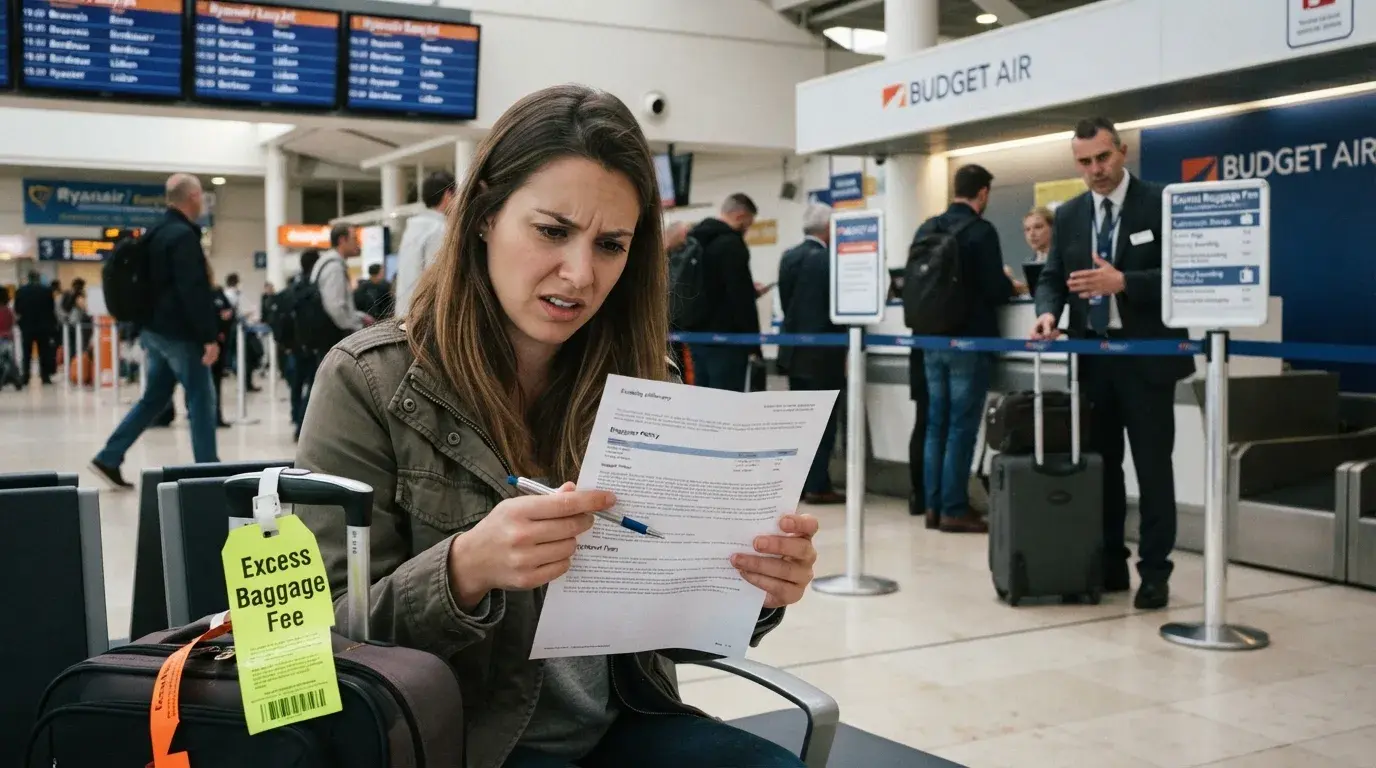
In France, low-cost airlines are racking up fines for failing to uphold passenger rights. Between 2021 and 2025, Volotea, Ryanair, easyJet, Vueling and Transavia were hit with over €1.1 million in penalties, according to an official report by the French Ministry of Transport. The figure highlights the gap between legal obligations and their real-world enforcement, especially during flight disruptions.
These penalties, often tied to delays or cancellations, reveal recurring operational failures. The two main drivers of these fines are failure to refund tickets and lack of passenger rights information. A reality that should give travelers pause before booking with a low-cost carrier, where recourse in case of issues is often limited.
Yet these airlines dominate the French market with attractive fares. Their cost-driven business model can backfire when passenger protection rules are ignored—a reality that demands closer attention for those seeking peace of mind when traveling.
The fines mask thousands of affected passengers
Between 2021 and 2025, airlines were sanctioned 353 times for breaches of EU Regulation 261/2004, totaling €1,137,000 in fines—an average of €3,221 per violation. This amount represents only a fraction of the harm suffered by travelers, as these penalties do not cover individual compensation.
The Ministry emphasizes that these sanctions aim to enforce passenger rights, particularly in cases of delays exceeding three hours, cancellations, or denied boarding. Yet in practice, airlines struggle to apply these rules, especially when disruptions pile up.
Low-cost carriers, which account for most of these fines, often attribute these failures to their operational model. But for passengers, the consequences are real: an unrefunded ticket, delayed information, or insufficient assistance can turn a trip into a nightmare.
The two costliest mistakes for airlines
Of all recorded violations, two stand out: failure to refund tickets after cancellations (€426,000 in fines) and lack of passenger rights information (€409,000). This combination reflects the core weaknesses of carriers, especially those operating in Europe.
EU Regulation 261/2004 mandates that airlines refund tickets within seven days of cancellation or offer re-routing. Yet many travelers face refusals or endless delays in securing compensation. Meanwhile, the obligation to inform passengers about their rights is often overlooked, leaving travelers unaware of their entitlements.
For low-cost airlines, these lapses are sometimes due to overwhelming workloads during mass disruptions. But for passengers, the priority is knowing how to protect themselves and what steps to take to assert their rights.
How to secure a refund or compensation despite the odds
The first step in case of disruption is to contact the airline in writing, keeping a record of the complaint. Since February 7, 2026, France has required mandatory mediation before pursuing legal action for cancellations, delays, or denied boarding disputes.
The website Volindemnisation.fr notes that fines imposed on airlines do not replace individual compensation. To obtain a refund or compensation, travelers must follow specific procedures, often lengthy and complex. Another reason to favor carriers with a strong track record in passenger rights compliance.
Passengers can also turn to the French Tourism and Travel Ombudsman or file a complaint with the DGAC if airlines persistently refuse to comply. However, these steps require time and persistence—resources many travelers lack.
Low-cost carriers in the crosshairs—but not alone
Volotea tops the fine rankings with €376,500, followed by Ryanair (€131,000), easyJet (€117,000), Vueling (€110,000), and Transavia (€82,000). All are budget airlines, but this does not mean traditional carriers are exempt from fault.
The Ministry notes that some penalties involve legacy airlines, though their share of the total remains small. The issue is not just about business models but also corporate culture and regulatory compliance.
For travelers, choosing an airline should factor in not just ticket prices but also its track record in upholding passenger rights—a critical consideration in case of trouble.
A record year: 2024, the year of penalties
With 15 sanction decisions and €488,000 in fines, 2024 was the busiest year in the period studied. A record that reflects intensified oversight and disruptions, particularly linked to the pandemic. It also underscores the scale of persistent failures, despite repeated warnings from authorities.
France’s sanction process is rigorous: sworn agents issue reports, which are then reviewed by the Civil Aviation Administrative Commission. The Minister of Civil Aviation makes the final decision, subject to appeal before administrative courts. A lengthy but necessary process to ensure rights are upheld.
For airlines, these penalties send a clear message: authorities will no longer tolerate lapses, especially when they affect fundamental passenger rights. A development that should push carriers to rethink their practices.
What travelers need to remember before booking
In case of disruption, airlines must inform passengers of their rights, offer re-routing or refunds, and, where applicable, pay flat-rate compensation of up to €600. These obligations apply regardless of the cause of disruption, except in cases of force majeure.
For low-cost airlines, often criticized, these rules are even more critical given their tight margins. A well-informed and assertive passenger can make all the difference in case of trouble. Mandatory mediation, introduced in February 2026, adds another layer for those seeking justice.
In short, flying with a low-cost airline in France means knowing your rights—and not hesitating to enforce them. A vigilance that can spare many headaches.
Lessons for the future of air travel
The record fines imposed on airlines in France show that the low-cost model, while popular, is not without flaws. Repeated breaches of passenger rights raise questions about the sustainability of this approach, especially amid rapid traffic growth.
For authorities, these figures underscore the need to strengthen oversight and educate airlines on passenger rights. For travelers, they highlight the importance of choosing reliable carriers and staying informed before booking.
As the aviation industry rebuilds post-pandemic, these penalties serve as a reminder: passenger rights must remain a priority, regardless of a carrier’s business model.
Be the first to comment on this article