Riyadh Air’s Revolution: How Saudi Arabia Bets $11 Billion on Boeing 787s to Dominate Global Connectivity
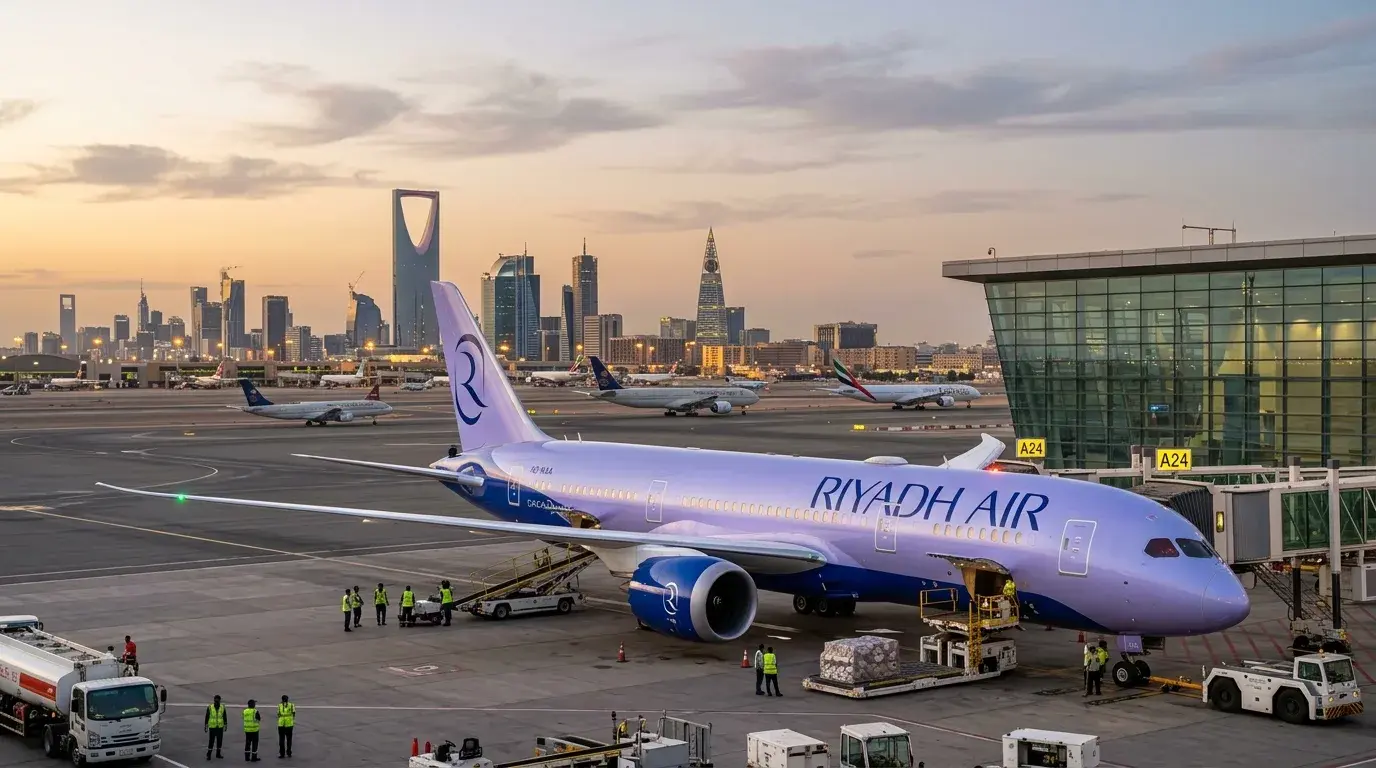
At 5 a.m. at King Khalid International Airport in Riyadh, two brand-new Boeing 787-9 Dreamliners, with sleek lines and royal registrations HZ-RXAA and HZ-RXAB, touched down under a sky streaked with the first rays of sunlight, escorted by the Saudi Hawks, Saudi Arabia’s aerobatic team. This was no commercial flight, but a symbol: the birth of Riyadh Air, the new airline aiming to make Saudi Arabia the beating heart of global air transport by 2030. With a record order for 72 Dreamliners worth $11 billion, the kingdom’s strategy is taking concrete shape, with first flights to London Heathrow scheduled for July 1, 2026.
This project is part of Vision 2030, Crown Prince Mohammed bin Salman’s economic diversification plan. The goal is clear: attract 150 million tourists and serve 330 million passengers annually by the end of the decade. To achieve this, Riyadh Air is banking on an all-new fleet, four-class premium cabins, and an aggressive pricing strategy. But behind the promise of luxury, how does this airline plan to compete against established giants like Emirates, Qatar Airways, or even Air France?
A technological bet and a response to Boeing’s delays
The first two Dreamliners took over a year to reach Riyadh, delayed by Boeing’s production issues and a seven-week strike in 2024. Yet despite these setbacks, Riyadh Air has stayed on course. CEO Tony Douglas, former Etihad Airways CEO, insists: “We’re not just building an airline; we’re opening a new gateway to the world from the heart of the Kingdom.” The aircraft, configured in four classes with 4K OLED screens in Business Elite and individual sliding doors in Business Class, promise an unprecedented premium experience in Saudi Arabia.
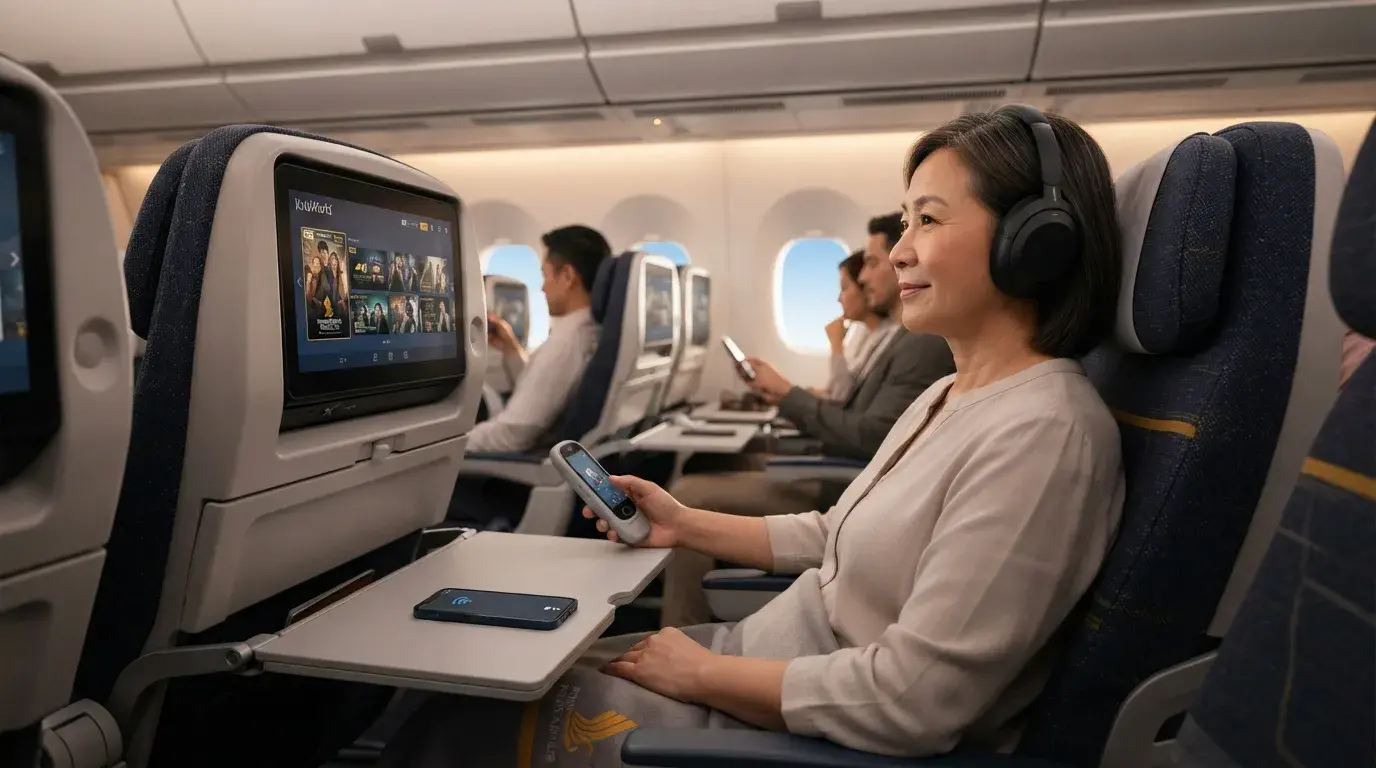
The Premium Economy cabin, arranged in a 2-3-2 configuration, and the Economy Class in a 3-3-3 layout are designed for maximum comfort, with a color palette inspired by Saudi heritage. Free Wi-Fi onboard, reserved for loyalty program members, is another key differentiator. “We’re ready to welcome the world,” Douglas asserts. But the real question remains: Can Riyadh Air compete with established hubs like Dubai, Istanbul, or Singapore?
A Riyadh hub: the new Dubai?
The answer lies in the creation of a global hub in Riyadh. By 2030, the airline aims to serve over 100 international destinations, with clear geographic priorities: Europe (Paris, Madrid, Manchester), Asia (Dubai, Cairo), and North America. The first route, Riyadh-London Heathrow, will operate daily from July 1, 2026, using dedicated Dreamliners. “We’re not competing with existing airlines; we’re creating new passenger flows,” explains a Riyadh Air spokesperson. The goal is to capture a share of the air traffic between Asia and Europe, currently dominated by Gulf hubs.
With lower operating costs thanks to a modern fleet and competitive fares, Riyadh Air could become the new strategic link for travelers seeking to avoid lengthy layovers. But the real challenge will be credibility: How can an airline founded in 2022, with a fleet still under construction, convince travelers to book its flights? The answer lies in its branding strategy: a focus on luxury, technology, and Saudi hospitality, with partnerships like that with Viasat for Wi-Fi.
A growing fleet: 132 aircraft on order by 2026
Riyadh Air is just getting started. In addition to the 72 Dreamliners, the airline has ordered 60 Airbus A321neo for its short-to-medium-haul routes and has options for 25 A350-1000s, bringing its potential order book to 182 aircraft. This diversity of models will allow it to cover all market segments, from domestic flights (such as Jeddah) to intercontinental routes. “We don’t want to be just another airline; we want to be an innovator that redefines the rules of the game,” Douglas says.
The choice of A321neo and A350-1000 reflects a focus on efficiency. The Airbus aircraft offer reduced fuel consumption and capacity tailored to regional and long-haul markets. With these planes, Riyadh Air aims to optimize costs while offering attractive fares. “Our goal isn’t to slash prices but to make premium travel accessible to a broader audience,” he adds. This approach could appeal to both business and leisure travelers, especially if the airline delivers on its service promises.
Riyadh Air: The future global aviation hub?
Riyadh Air’s ambition extends beyond fleet size or destinations—it’s rooted in a geopolitical vision. By betting on a hub in Riyadh, the kingdom seeks to reduce dependence on European and American hubs while strengthening its economic influence. With a sovereign wealth fund exceeding $620 billion, Saudi Arabia has the resources to invest heavily in aviation, a key sector for its diversification.
The expected economic impact is staggering: $20 billion contribution to non-oil GDP and the creation of 200,000 jobs by 2030. For travelers, this could mean lower fares (thanks to increased competition) and better connectivity to emerging destinations. “We’re not just adding another route; we’re rewriting the map of air transport,” says a project executive.
A disruptive business model: accessible luxury and flexibility
Riyadh Air is banking on a hybrid model: premium cabins at competitive prices and a high-end customer experience. The four-class configuration allows for segmented offerings, while free Wi-Fi (via partnerships like Viasat) aims to build loyalty among discerning travelers. “We want every passenger, regardless of their ticket class, to feel like a VIP guest,” explains a marketing team member.
Flexibility is another cornerstone. Unlike some airlines that charge exorbitant fees for changes, Riyadh Air promises adaptable ticket policies, though details remain to be finalized as commercial operations ramp up. This approach could appeal to business travelers, who often need to adjust plans at the last minute.
The challenges ahead: competition and perception
Despite these strengths, Riyadh Air faces significant hurdles. First, the fierce competition from Gulf giants like Emirates and Qatar Airways, which already dominate Europe-Asia routes. Second, the perception of Saudi Arabia as a tourist destination, which is still evolving despite government efforts. Finally, passenger loyalty in a market where trust is earned over time.
Yet early indicators are promising. Bookings for the Riyadh-London Heathrow route, launched in May 2026, are in high demand, with load factors already exceeding 80% for the first months. “Travelers are looking for alternatives to saturated hubs, and Riyadh could be the answer,” says an industry expert.
A winning strategy for travelers?
If Riyadh Air delivers on its promises, it could become an essential player in global air transport. For travelers, the benefits are clear: shorter layovers between Europe and Asia, competitive fares in premium classes, and a modernized customer experience. “We’re not just selling a ticket; we’re offering a gateway to the Middle East and beyond,” sums up Tony Douglas.
With a rapidly expanding fleet, a clear vision, and nearly limitless financial resources, Riyadh Air has all the ingredients for success. The only question is whether it can persuade travelers to shift from traditional hubs to Riyadh. One thing is certain: the stakes are high, and the global aviation industry is on the brink of a major upheaval.
What to remember for your next trips
If you’re seeking an alternative to European and American hubs for your Asia or Africa-bound trips, keep a close eye on Riyadh Air. From July 2026, the airline will launch flights to London, with extensions to Paris, Madrid, and Jeddah planned in the following months. Fares will vary by class, but the focus will be on value for money and premium experiences.
To book, visit the official Riyadh Air website, where tickets are already available. And if you’re a discerning traveler, note that the airline promises greater flexibility for flight changes—a valuable asset in a market where unpredictability is common.
Riyadh Air is more than just a new airline: it’s a revolution in the making for global aviation. The question is: Will you be part of it?
Be the first to comment on this article