Alger-Bamako Reconciliation: How Airlines Stand to Gain Time and Money
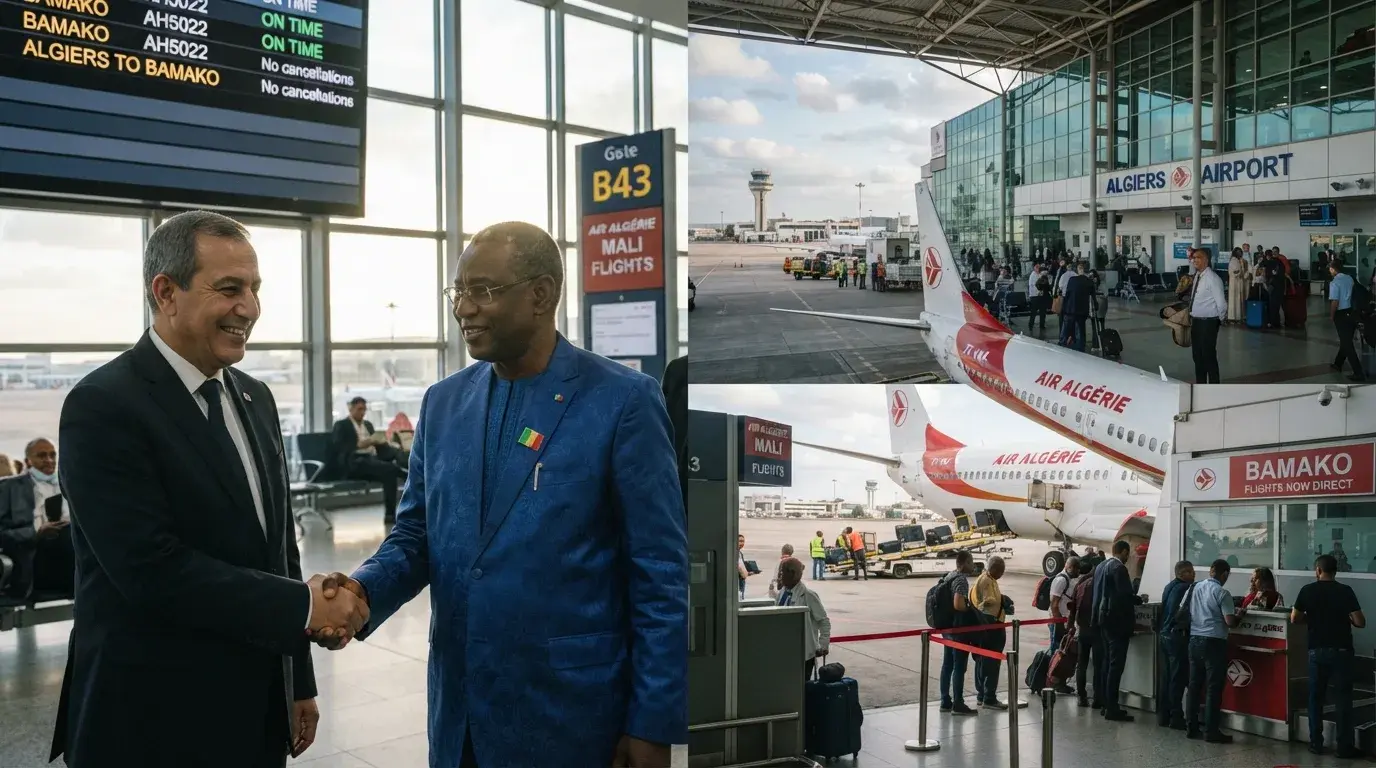
The diplomatic reconciliation between Algeria and Mali is more than political relief—it’s a boon for European and African airlines. After 15 months of mutual airspace closures, Algiers and Bamako have finally reopened their skies to each other, providing carriers with much-needed operational and financial breathing room.
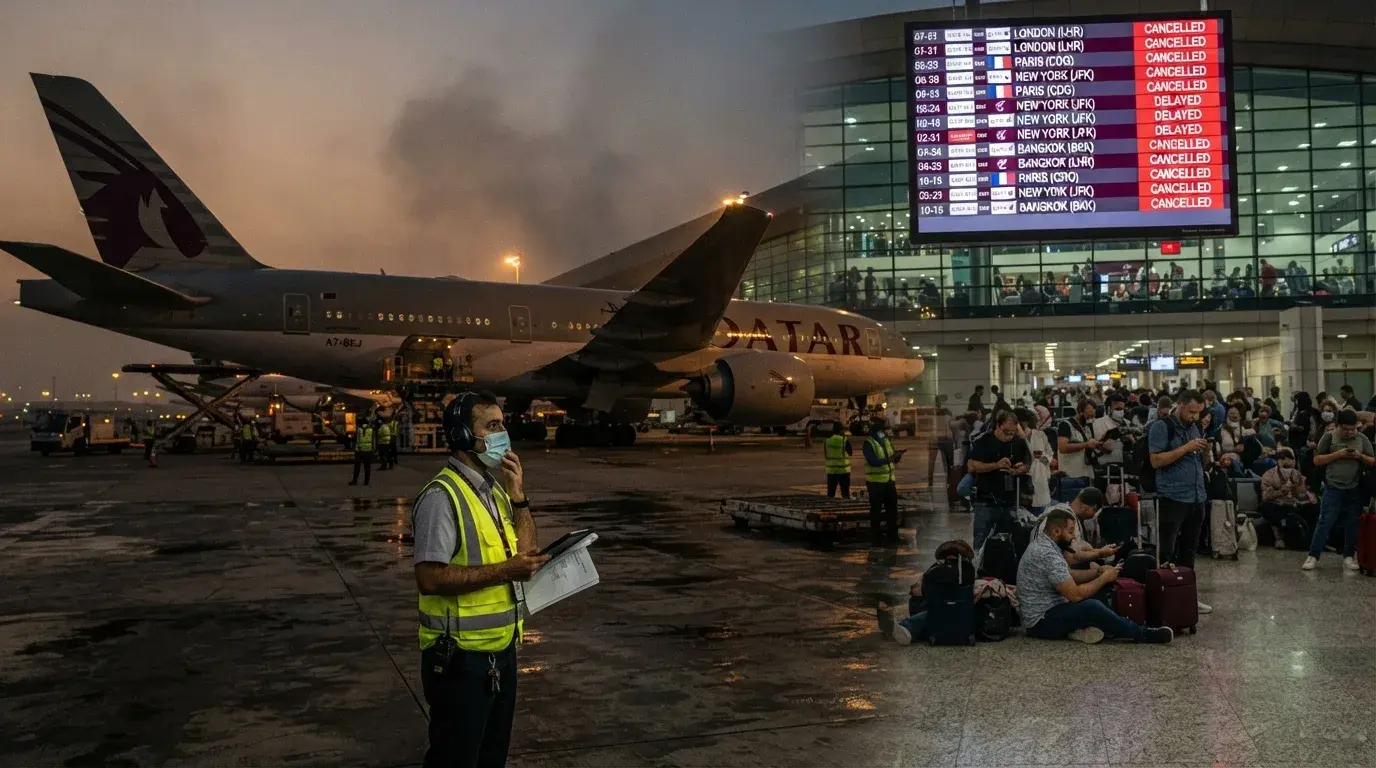
The reciprocal closure of Algerian and Malian airspace, effective since April 2025, had turned Europe-to-West Africa routes into logistical nightmares. Aircraft were forced to systematically bypass both countries, adding 30 to 45 minutes to flight times depending on destinations. For carriers like Air France, Brussels Airlines, and Air Algérie, these detours meant higher costs in fuel, time, and logistics. A particularly painful situation as the African market, in full expansion, became increasingly difficult to serve efficiently.
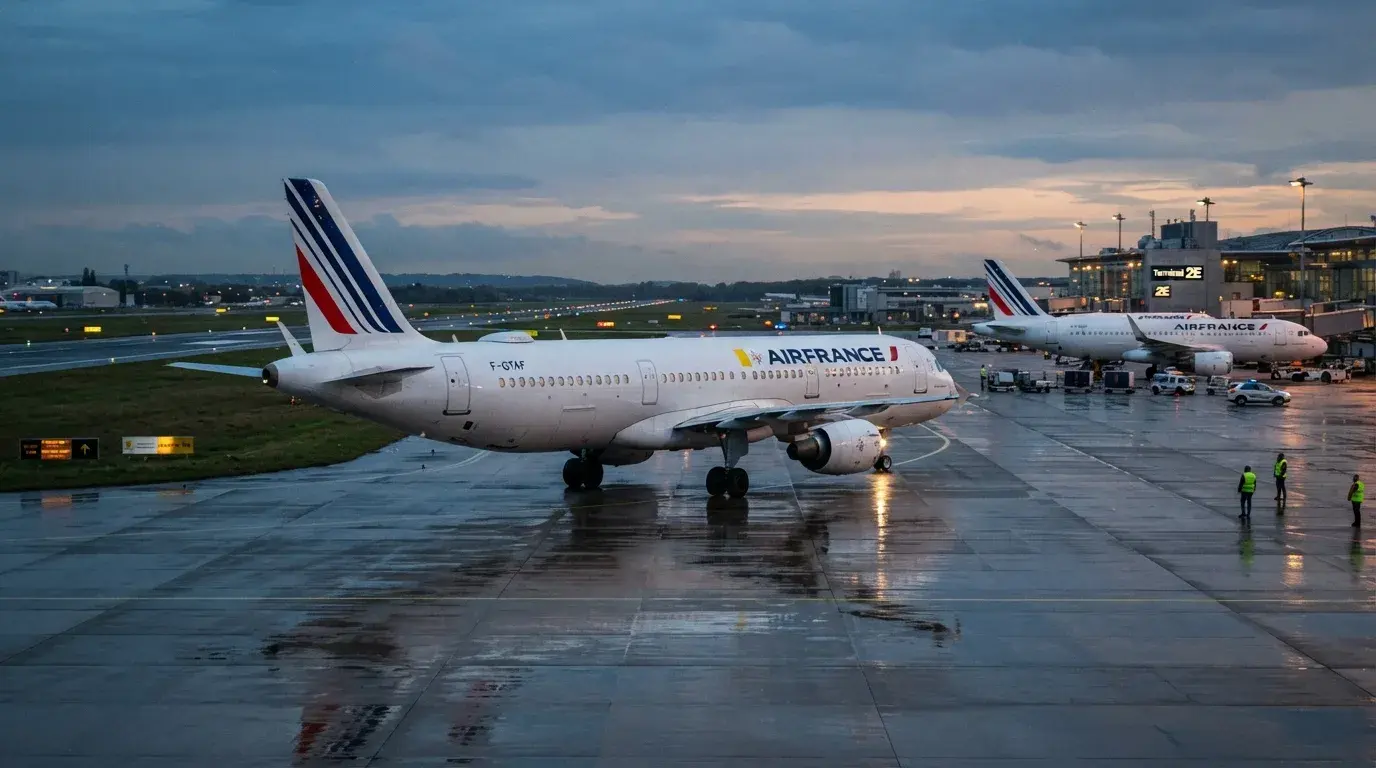
With the reopening of airspace, carriers can now operate direct routes between Europe and West African capitals like Dakar, Abidjan, or Lomé. A breakthrough that comes at the perfect time as the airline sector faces geopolitical tensions and soaring kerosene prices. For Air France, for example, eliminating these detours translates into immediate cost savings per flight while improving punctuality and passenger comfort. Brussels Airlines, for its part, highlights an operational gain that could trickle down to ticket prices for travelers.
This reconciliation sends a strong signal to the entire industry. It confirms that political stability in the region is a strategic lever for aviation—a sector where every minute and every euro counts. Airlines no longer need to fear unpredictable restrictions or costly detours, boosting their confidence in long-term investments on these routes.
Direct routes that change the game for passengers
For travelers, the reopening of Algerian and Malian airspace means shorter flights and potentially more attractive fares. Routes between Paris and Dakar, for instance, now save up to 45 minutes—a significant advantage on long-haul flights where every minute matters. Technical stopovers, once necessary to avoid closed airspace, could disappear, simplifying itineraries.
African carriers like Air Algérie also benefit by strengthening connections with neighboring countries. The reopening of the Malian air corridor allows the national Algerian airline to unlock destinations like Bamako and Ouagadougou while offering passengers better connectivity. A boon for business travelers and tourists alike, who now enjoy smoother, more cost-effective journeys.
This improvement in air links comes at a time when West Africa is becoming an increasingly strategic market for European airlines. With local economies growing and tourism booming, demand for air transport is rising. Direct routes allow carriers to meet this demand without inflating costs—a balance all parties aim to preserve.
Operational relief for airlines in a crisis
The airline sector is navigating a tough period. Between kerosene shortages, geopolitical tensions, and increased low-cost competition, carriers must optimize every aspect of operations. The reopening of Algerian and Malian airspace arrives as a much-needed breath of fresh air, enabling them to cut costs and boost efficiency.
For Air Algérie, this reconciliation is an opportunity to strengthen its position on African routes. The airline, historically well-established in the region, can now reorganize its flight plans to serve more destinations without inflating expenses—a major asset in an environment where profitability is more critical than ever.
Industry analysts welcome this breakthrough, emphasizing that stable air routes are a resilience factor for airlines, especially in a region where security and political risks heavily influence investment decisions. The Algeria-Mali reconciliation sends a clear message: operational security is a top priority, and detours imposed by diplomatic conflicts are no longer inevitable.
A glimmer of hope for African aviation
This diplomatic reconciliation is more than just operational relief—it represents a glimmer of hope for the entire African aviation sector, often stifled by political tensions and trade restrictions. With the reopening of Algerian and Malian airspace, other countries may be encouraged to adopt a similar approach, fostering a more stable environment for airlines.
For passengers, this means simpler travel and, in time, more competitive fares. For airlines, it’s the assurance of planning routes with greater certainty—an invaluable advantage in an industry where unpredictability is costly. Finally, for local economies, this reconciliation could boost tourism and trade, reinforcing aviation’s role as an engine for development.
In short, the reconciliation between Algeria and Mali is more than good diplomatic news—it’s a concrete advance for air transport, delivering cost savings, smoother travel, and better connectivity between Europe and West Africa.
As the airline sector continues to navigate a complex environment, this initiative underscores that international cooperation remains a cornerstone for stability and growth in air transport.
Air France, Brussels Airlines, and TAP Air Portugal are expected to quickly capitalize on this reopening to offer more attractive fares to West Africa.
Be the first to comment on this article