Norwegian Acquires Nordic Leisure Travel Group: The Norwegian Low-Cost Giant Becomes an Integrated Travel Powerhouse
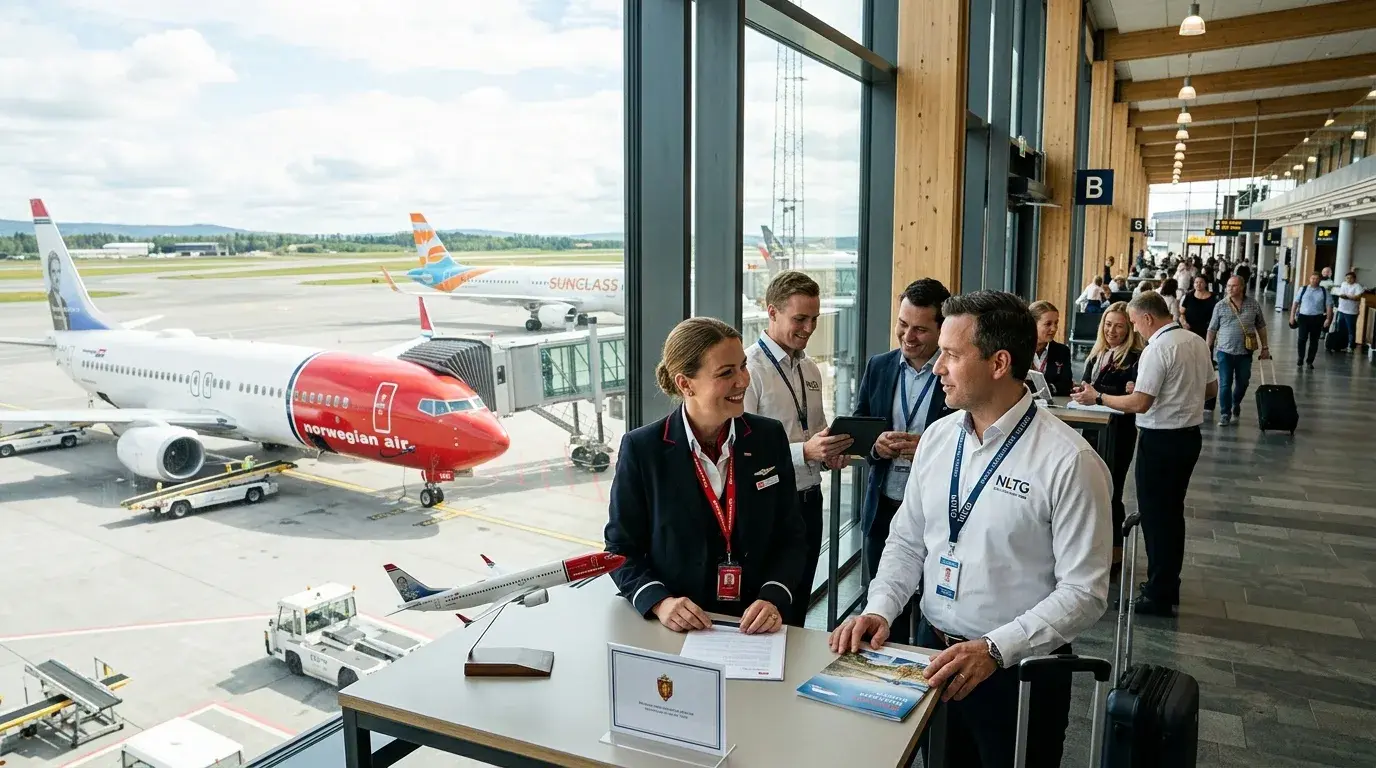
The transformation of the European aviation landscape takes a new turn with Norwegian’s announcement of acquiring Nordic Leisure Travel Group (NLTG), one of Scandinavia’s leading package holiday providers. For a sum of approximately €730 million, the Norwegian low-cost airline now integrates a portfolio of brands including Ving, Spies, Tjäreborg, and Globetrotter, as well as the charter airline Sunclass Airlines. This strategic move propels Norwegian into the role of an end-to-end travel provider, combining air transport, accommodation, and tourism services under one umbrella.
This development aligns with a broader trend of diversifying airline business models, mirroring what easyJet achieved with its easyJet Holidays brand. By acquiring NLTG, Norwegian doesn’t just gain a portfolio of destinations and tourism expertise—it secures a foothold across the entire travel value chain, from flight bookings to all-inclusive getaways. “We want to offer our customers a seamless experience where every step of their journey is designed to simplify their lives,” explains a Norwegian spokesperson. With this integration, the airline aims to capture greater value in the booming organized holiday market across Northern Europe.
The newly formed group, which combines Norwegian’s airline operations with those of its regional subsidiary Widerøe and the NLTG travel agency, boasts ambitious goals. Operating nearly 160 aircraft and serving around 30 million customers annually, this entity positions itself as a dominant force in Scandinavian tourism. The transaction, financed through a mix of cash and Norwegian shares, is expected to boost the group’s revenue by nearly 50%, with financial impacts materializing by 2027.
A model that appeals to travelers seeking simplicity
Norwegian’s acquisition of NLTG marks a turning point in the strategy of European airlines. Until now, low-cost carriers focused primarily on selling standalone tickets, leaving traditional tour operators to package holidays. With this deal, Norwegian expands its offerings to include flight + hotel packages, and even trips with added activities or local services. This approach has already proven successful for easyJet, which has leveraged the model to build customer loyalty among travelers prioritizing convenience.
For Scandinavian travelers, the benefits are twofold. First, booking becomes simpler: no need to juggle multiple platforms to plan a trip. Second, the integration of air travel and tourism services under one entity allows for cost optimization and competitive pricing. “Customers are looking for hassle-free solutions, especially as vacation planning becomes increasingly complex,” notes an industry expert. This integration also taps into a broader trend: the rise of organized travel, particularly among young professionals and families who prefer peace of mind over logistical hassles.
The NLTG brands, already deeply rooted in Scandinavia, bring decades of expertise in crafting holiday packages. Ving, for instance, is renowned for its beach getaways in Spain, Greece, or Turkey, while Spies specializes in exotic destinations like Thailand or the Maldives. Globetrotter, on the other hand, targets adventure-seeking travelers with hiking or cultural circuit trips. Merging these strengths with Norwegian’s operations could spark innovative combinations, such as flights to emerging destinations paired with themed stays.
A masterstroke for Norwegian in a rapidly evolving market
This acquisition comes at a time when Northern Europe’s travel market is experiencing exceptional growth. Scandinavia is attracting an increasing number of international tourists drawn to pristine landscapes, a rising supply of accommodations, and a gradual upgrade of infrastructure. Local tourism boards are promoting outdoor experiences, sustainable lodging, and eco-friendly activities—a positioning that resonates particularly with travelers seeking eco-responsibility.
For Norwegian, acquiring NLTG offers an opportunity to smooth out the seasonality of its operations. Low-cost carriers are traditionally highly exposed to demand fluctuations, with marked peaks in summer and winter. By integrating a tour operator like NLTG, which offers year-round packages, Norwegian can better distribute its offerings and secure consistent flight occupancy rates. “We’ll be able to better align our routes with traveler expectations and optimize our fleet utilization,” explains a company executive. This strategy also strengthens Norwegian’s presence across key markets, from Denmark to Finland, via Norway and Sweden.
The integration of NLTG also provides Norwegian with an additional lever to compete with Europe’s major tour operators. By controlling both flights and accommodations—and ancillary services—the Norwegian airline can offer competitively priced packages while maintaining margins across each segment. “This integrated model allows us to capture value that was previously held by intermediaries,” notes a Norwegian executive. This approach could, in time, inspire other players in the European aviation sector.
A bold but promising bet for the future of travel
While Norwegian’s acquisition of NLTG represents a major milestone, it is not without risks. Merging two vastly different corporate cultures—one rooted in low-cost operations and the other in traditional tour operating—could prove challenging. NLTG’s teams, accustomed to crafting bespoke packages, will need to adapt to the operational constraints of an airline, while Norwegian must learn to manage the logistics of accommodations and tourism services. “Success will hinge on the ability to harmonize these two worlds without losing the agility that defines low-cost carriers,” analyzes an industry observer.
Moreover, the success of this deal will depend on Norwegian’s ability to retain customers accustomed to all-inclusive packages. Scandinavian travelers, highly sensitive to service quality and transparent pricing, will closely monitor how the group balances affordability with a premium experience. “Customers no longer want just a cheap flight or hotel; they want a consistent, stress-free experience,” emphasizes a tourism marketing expert.
This acquisition also arrives in a highly competitive European airline market, where legacy carriers like SAS, Finnair, and Icelandair are also betting on vertical integration to stand out. Norwegian will need to innovate to differentiate itself, particularly by offering unique packages or destinations underserved by competitors. “The challenge for Norwegian will be to turn this integration into a true competitive advantage—not just a diversification move,” concludes an analyst.
With this acquisition, Norwegian isn’t just becoming a major player in Northern European travel—it’s redefining the rules of integrated travel. By combining air transport with tourism services, the airline is paving the way for a new era where simplicity and cost control take center stage. For travelers seeking convenience and transparency, this evolution could well be a game-changer.
To learn more about Norwegian’s and NLTG’s offerings, visit the group’s website: www.norwegian.com.
Key takeaways
The acquisition of Nordic Leisure Travel Group by Norwegian marks a turning point in Northern Europe’s travel industry. Here’s what you need to know:
An integrated model: Norwegian becomes an end-to-end travel provider, combining air transport, accommodations, and tourism services—a first for a low-cost carrier in Scandinavia.
A portfolio of brands: Ving, Spies, Tjäreborg, Globetrotter, and Sunclass Airlines now join the Norwegian group, offering recognized expertise in organized travel.
A strategic diversification: The group aims to smooth out seasonal demand fluctuations and capture greater value across the travel value chain.
A bet on innovation: Norwegian is banking on simplicity and transparency to attract customers seeking hassle-free, all-inclusive packages.
An operational challenge: Merging two distinct corporate cultures could be complex, but may also unlock new synergies.
A market in flux: Northern Europe’s travel sector is booming, with growing demand for sustainable, authentic experiences.
With this acquisition, Norwegian cements its position as a dominant force in Scandinavian tourism and redefines the future of integrated travel. An evolution worth watching closely for travelers and industry professionals alike.
Be the first to comment on this article
On the same topic
- Aegean Airlines to Take Control of Volotea: What It Means for Your European Travels
- Edelweiss Air strengthens its A320neo fleet with the acquisition of five used Airbus aircraft from the Lufthansa Group
- Cathay Pacific announces the acquisition of 14 new Boeing 777-9s
- Air India plans to acquire 200 single-aisle aircraft, with a choice between Airbus and Boeing
- Air Niugini strengthens its fleet with the acquisition of two new Airbus A220s
- Delta acquires an A350 and circumvents Trump's tariffs with a clever strategy