Flynas Bets Big on Long-Haul Airbus Fleet to Become a Sky Giant: How Saudi Arabia Is Reinventing Tourism
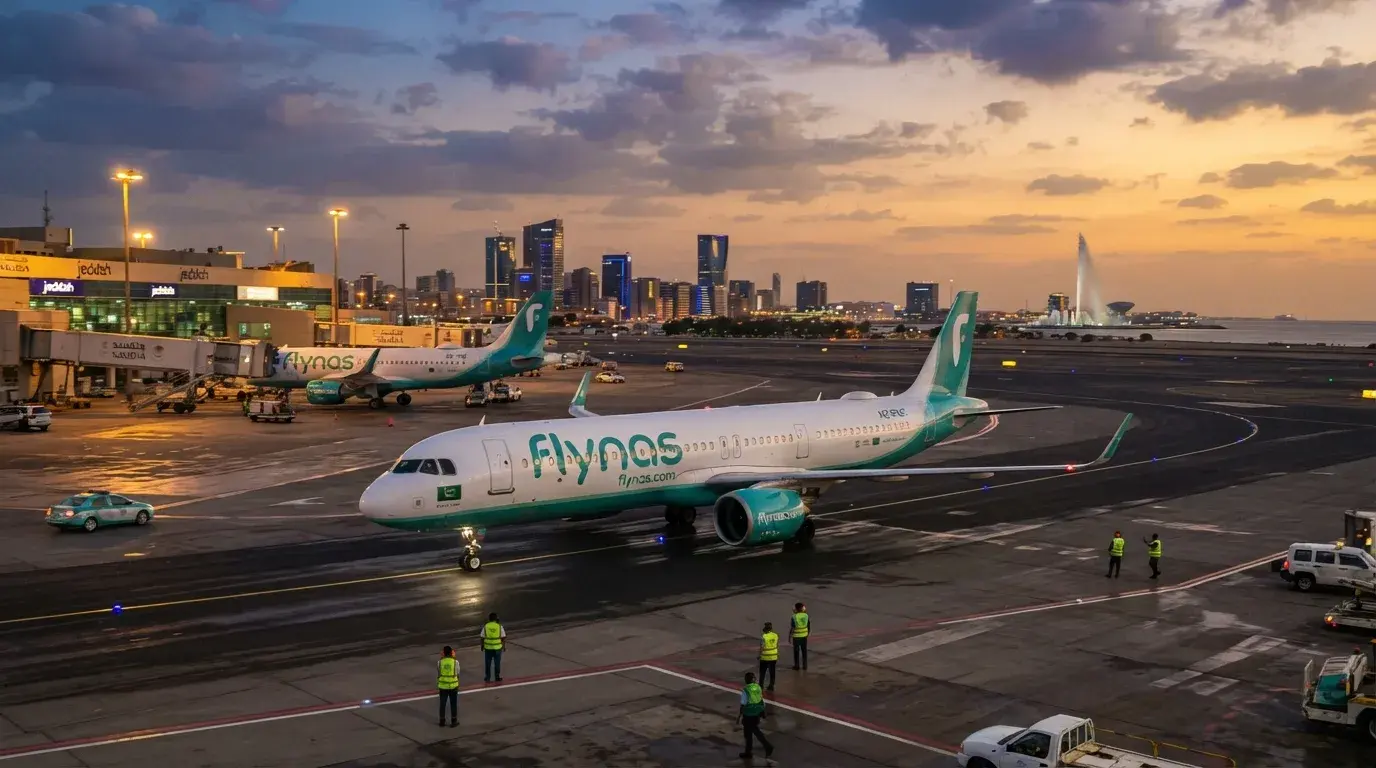
Saudi Arabia is no longer content with dreaming of becoming a global tourism destination—it’s taking action, and its secret weapon is Flynas. With an additional order for 25 Airbus aircraft, including five A330-900s and twenty A321neos, the Saudi low-cost carrier is taking a decisive step in its strategy to dominate regional and international skies. This bold move is about more than just fleet expansion; it’s part of Vision 2030, an ambitious plan to transform the kingdom into an indispensable aviation hub by the end of the decade.
To grasp the scale of this maneuver, we need to look back at Flynas’ origins. Founded in 2007 as Nas Air, the airline has long balanced low-cost operations with regional ambitions. But in recent years, it has placed a major bet on Airbus, with a firm order book now totaling 235 aircraft. The new order, announced at the Farnborough Airshow, brings the total commitments to 280, underscoring the carrier’s unwavering confidence in the European manufacturer’s solutions. Why Airbus over Boeing? The answer boils down to three words: efficiency, versatility, and vision.
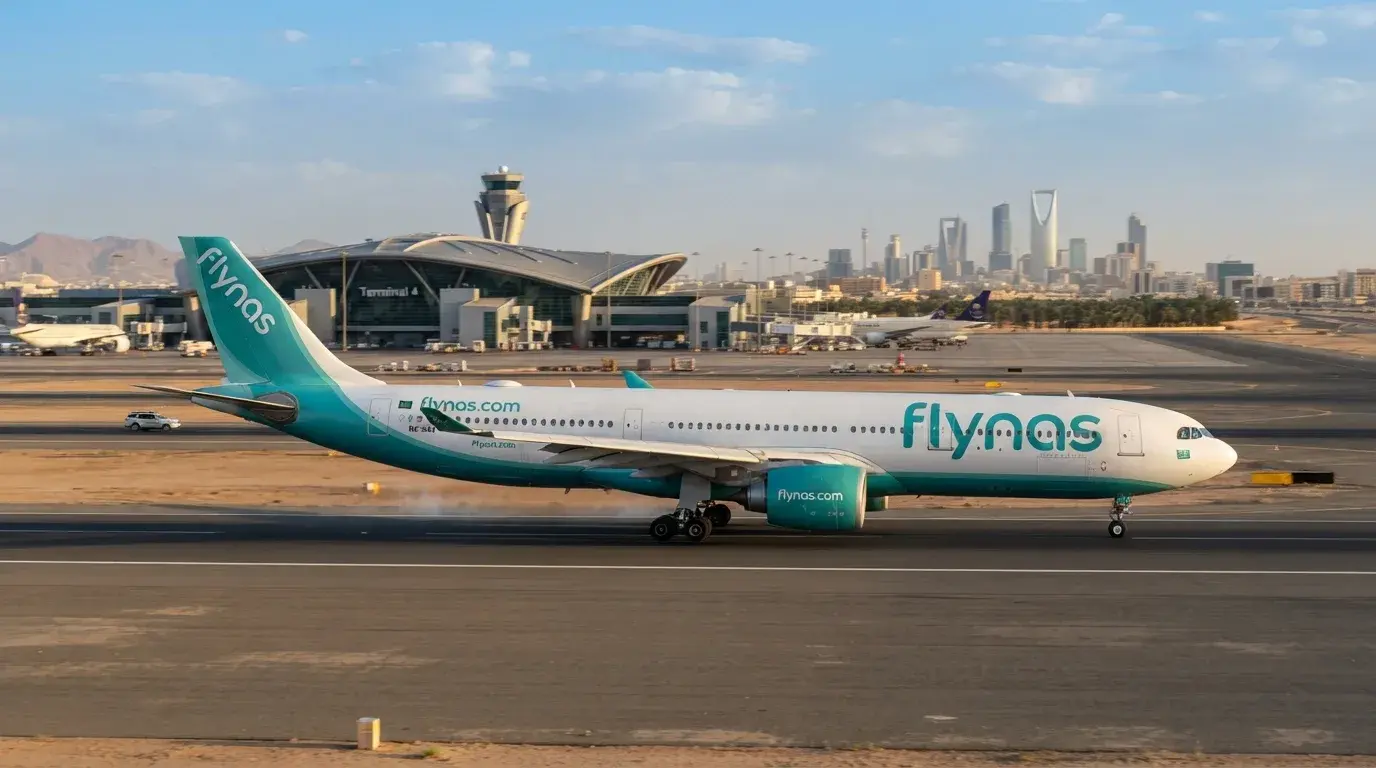
The A321neo, with its increased capacity and 20% lower fuel consumption compared to previous models, has become the backbone of Flynas’ domestic and regional network. Operated from six bases across the kingdom, the aircraft enables the airline to absorb Saudi Arabia’s explosive air traffic growth. But it’s the A330-900—now integrated into the fleet—that marks a turning point. With a range of over 15,000 kilometers and a 25% reduction in operating costs compared to older long-haul jets, this twin-engine aircraft positions Flynas in the international market, where margins are highest.
This technological choice is far from trivial. The A330-900 is powered by the Rolls-Royce Trent 7000, a high-bypass turbofan designed to maximize fuel efficiency. For a low-cost carrier, this is revolutionary: it can now offer competitive long-haul fares while maintaining healthy profit margins. Bander Almohanna, Flynas’ CEO, confirmed during the announcement that this expansion will « support the continued growth of our six operational bases across the Kingdom and bolster the objectives of the Pilgrim Experience Program », a flagship initiative aimed at facilitating the arrival of millions of pilgrims and tourists in the years to come.
A Strategy Aligned with Vision 2030
Saudi Arabia has a clear goal: to reach 330 million annual passengers by 2030 and develop an air network serving over 250 destinations. Vision 2030, championed by Crown Prince Mohammed bin Salman, aims not only to modernize the Saudi economy but to position the kingdom as a global hub for tourism, transit, and pilgrimage. To achieve this, the country is leveraging two key drivers: expanding airport infrastructure and strengthening its airlines.
Flynas plays a central role in this equation. Unlike carriers like Saudia, which operate mixed fleets, Flynas has adopted an all-Airbus strategy, simplifying maintenance and crew training. The A321neo and A330-900, already at the heart of its fleet, offer unmatched operational flexibility. They allow the airline to serve everything from major Saudi cities to distant destinations like Europe, Asia, or East Africa—a diversity essential for attracting a broad customer base, from pilgrims to vacationers and business travelers.
But Flynas’ growth extends beyond fleet acquisition. The airline is also strengthening its logistics and partnerships. By integrating A330-900s into its network, it can now offer direct flights to cities like London, Istanbul, or Jakarta, reducing reliance on connections. A winning strategy, especially as long-haul traffic continues to expand, driven by rising disposable incomes in emerging markets.
This power play comes at a time when Saudi Arabia is diversifying its economy, historically dependent on oil. The aviation sector is a pillar of this shift. With events like Expo 2030 and the 2034 FIFA World Cup, the kingdom is banking on global events to attract millions of visitors. Flynas, with its modern fleet and international ambitions, is poised to capitalize on this opportunity.
The High-Stakes Gamble of Low-Cost Long-Haul
Integrating long-haul aircraft into a low-cost fleet is a bold bet. Most carriers in this segment focus on short- and medium-haul routes, where profitability is easier to secure. Yet Flynas has chosen to play in the big leagues. Why? Because Saudi Arabia offers a unique environment for this model.
First, the country’s domestic market is booming. With a young population and a growing middle class, demand for affordable travel is strong. Second, regional routes—particularly to Gulf countries and Africa—are teeming with passengers seeking alternatives to traditional carriers. Third, long-haul potential is immense: millions of expatriate workers from South Asia, Africa, and Europe need to travel to Saudi Arabia for work, study, or family visits.
But the real challenge lies in competition. Flynas will have to contend with giants like Emirates, Qatar Airways, and Turkish Airlines, which already dominate the low-cost long-haul market in the region. To stand out, the Saudi carrier is banking on three strengths: competitive fares, improved customer service, and seamless integration into Saudi Arabia’s tourism ecosystem.
The A330-900, with its comfort and fuel efficiency, is a major selling point. Unlike older long-haul jets, often noisy and energy-intensive, this modern twin-engine aircraft allows Flynas to offer longer flights without sacrificing profitability. Paired with the A321neo, the airline can optimize costs on high-density regional routes.
Another critical factor is logistics. Flynas has developed a network of six operational bases across the country, enabling it to reduce turnaround times and maximize aircraft utilization—a winning strategy in an industry where every minute counts.
Impact on Saudi Tourism
Flynas’ fleet expansion isn’t just about increasing capacity—it’s a strategic lever to boost tourism in Saudi Arabia. With destinations like AlUla, a rising archaeological region, or the Red Sea’s pristine beaches, the kingdom is positioning itself as a high-end, sustainable tourism hub. But to attract millions of visitors, efficient and affordable air links are essential.
Flynas is playing a crucial role in this dynamic. By opening new routes—especially to Europe and Asia—the airline allows tourists to reach Saudi Arabia without costly layovers in hubs like Dubai or Istanbul. A strategy that could elevate Flynas to the same status as Europe’s low-cost carriers, which revolutionized tourism on the continent.
Yet the challenges remain significant. Saudi Arabia must still convince international travelers that the country is a safe and attractive destination. The marketing efforts are massive: advertising campaigns, influencer partnerships, and above all, improvements to tourism infrastructure. Flynas, with its modern fleet and competitive fares, could become an ambassador for this new image.
And the results are already visible. Since the launch of Vision 2030, air traffic in Saudi Arabia has surged by nearly 20%. Local carriers, including Flynas, are the primary beneficiaries. With the A330-900s now in service, the airline is poised to accelerate this trend, offering direct flights to cities like Paris, Berlin, or Singapore.
A Model to Follow for Other Airlines?
Flynas isn’t the only low-cost carrier venturing into long-haul. Airlines like Norwegian and Scoot have proven this model can work. But in the Saudi context, this strategy takes on a unique dimension. With booming domestic demand and enormous tourism potential, the kingdom offers an ideal environment for such expansion.
For other Gulf carriers like Air Arabia or FlyDubai, Flynas’ example could inspire new strategies. If the model proves viable, we could see a new generation of low-cost long-haul carriers emerge, capable of challenging traditional giants. A revolution in the making that could reshape the global aviation industry.
Yet Flynas still faces hurdles. The airline must prove it can maintain low costs while delivering quality service. It must also navigate competition from traditional carriers, which may respond by slashing fares. Finally, it must adapt to market fluctuations, from economic downturns to geopolitical tensions.
Nevertheless, with its modern fleet, clear ambitions, and alignment with Vision 2030, Flynas has all the tools to succeed. And if it does, it could become a symbol of a new era for low-cost aviation—one where the lines between short-, medium-, and long-haul blur.
What This Means for French Travelers
For French travelers seeking new destinations, Flynas’ expansion opens exciting possibilities. With the A330-900s now in service, the airline offers direct flights to European cities like London or Berlin at fares often well below those of traditional carriers. A boon for tourists looking to explore Saudi Arabia without multiple connections.
And with increased frequencies on regional routes, Flynas also makes it easier to visit neighboring countries like Egypt, Jordan, or Oman. An opportunity not to be missed for those eager to explore a region in flux, where history, culture, and landscapes blend into a unique tapestry.
For business travelers, Flynas presents a credible alternative to traditional carriers. With modern aircraft and increasingly competitive onboard services, the Saudi airline could become a key player on routes between Europe and the Middle East.
Be the first to comment on this article