Air India strengthens its airlift to Europe and New York in the face of the crisis in the Middle East
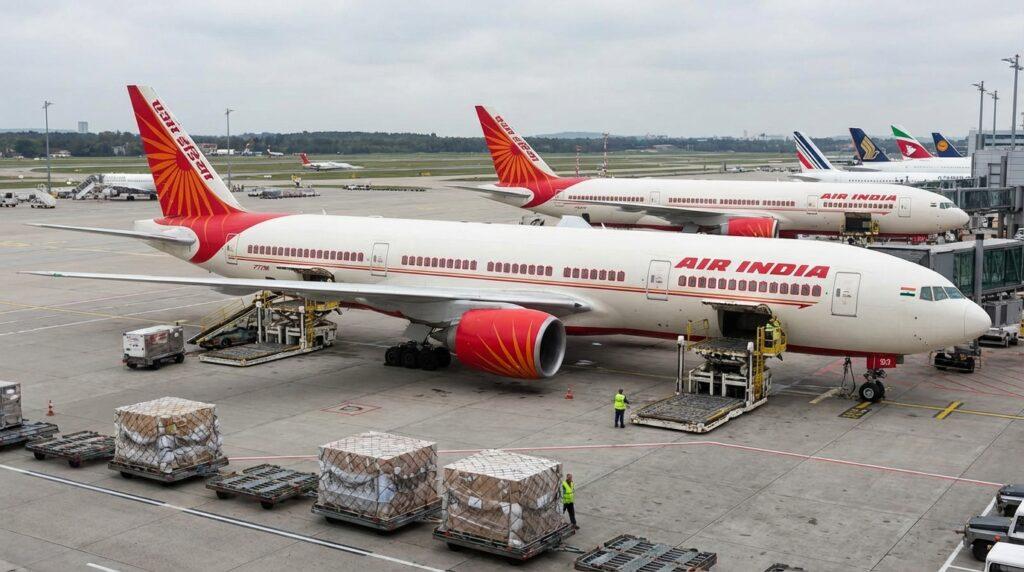
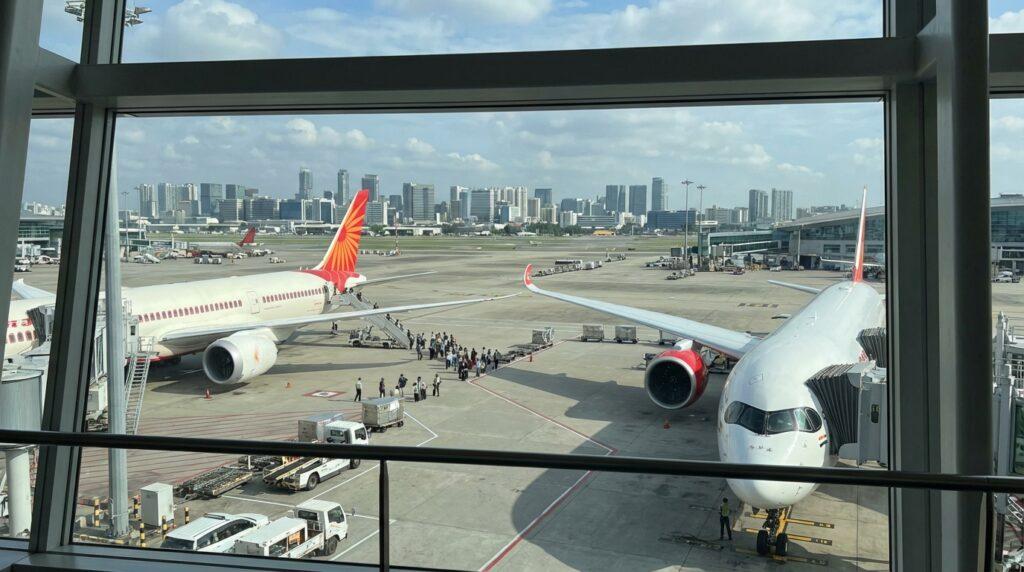
At a time when the conflict between Iran and Israel is provoking airspace closures and the cancellation of thousands of flights between Asia and Europe, Air India chooses to adapt by offering a wider range of services. India's national airline will operate 78 additional flights on nine international routes between March 10 and 18, 2026. This decision aims to offer an additional 17,660 seats to Europe, New York and the Indian Ocean, in order to capture a demand in full postponement.
Between Delhi, Mumbai and the major European hubs, Air India will be increasing its frequencies to London-Heathrow, Frankfurt and Amsterdam, Paris-Charles-de-Gaulle and Zurich. On the transatlantic route, additional flights are also scheduled between Delhi and New York-JFK, subject to final regulatory approvals. In all, 78 additional flights will be operated on nine routes, generating 17,660 additional seats, including round-trip. Air India sums up its strategy as follows: «To support passengers in the current context in West Asia, Air India will operate 78 additional flights on 9 routes between March 10 and 18,» the airline said on its official X account.
Details of routes and capacity increases
From Delhi, the Indian airline adds frequencies to London, Frankfurt, Amsterdam, Paris and Zurich, as well as to Malé (Maldives) and Colombo (Sri Lanka). From Mumbai, the focus is on London-Heathrow, where two additional rotations are planned.
The most notable frequency increases include :
Details of additional flights :
- Delhi-Frankfurt: one additional daily flight, except on March 14.
- Delhi-London: four additional rotations between March 11 and 18.
- Mumbai-London: two rotations added on March 12 and 14.
- Delhi-Amsterdam: three additional flights on March 12, 14 and 16.
- Delhi-Paris (CDG): an additional rotation on March 15.
- Delhi-Zurich: two additional flights on March 10 and 17.
- Delhi-New York (JFK): three additional flights, subject to approval.
On the regional network, additional daily flights are scheduled between Delhi and Malé, as well as to Colombo, with some adjustments to operating days. This ramp-up will mainly involve Boeing 787-8s on European routes, Boeing 777-300ERs on New York, and Airbus A320neo aircraft on services to Malé and Colombo.
Fragmented skies in West Asia
Since the end of February, the military escalation between Iran and Israel has led to the closure or restriction of large swathes of airspace in the Middle East. This has forced airlines to divert or cancel thousands of flights between Europe and Asia. According to industry estimates, over 3,400 flights were grounded on March 1 alone, while carriers such as Emirates, Qatar Airways, Etihad and several Asian airlines drastically reduced their operations in the region.
Indian carriers find themselves in a particularly delicate situation. «Unlike other international airlines, Air India and IndiGo cannot fly over Pakistan, which makes them extremely dependent on the West Asian corridors to reach Europe and North America,» recently reminded us. The Indian Express. At the height of the airspace closures, Air India cancelled around 50 flights to Europe and North America in a single day, before reorganizing its schedule with longer routes.
India-Europe, an essential bypass corridor
In these fragmented skies, the India-Europe and India-US routes are becoming essential bypass corridors for many passengers affected by the reduction in supply via the Gulf and Levant hubs. Air India claims to be maintaining its long-haul routes to Europe and North America «using alternative routings deemed safe», while adjusting certain frequencies when operational constraints so require.
©Air India
Be the first to comment on this article
On the same topicair india
- Air India strengthens its presence in Asia with two new key routes in 2026
- Air India relaunches direct Delhi-Rome flights: a new era for Indo-Italian routes
- Air India faces a moment of reflection after the crash of flight 171: between safety, caution and uncertainty
- After the Air India crash, IATA proposes to equip cockpits with surveillance cameras
- Air India accident: DGAC audit highlights shortcomings and poor oversight
- One of the engines on Air India flight AI171 was brand new at the time of the crash