Air India strengthens its presence in Asia with two new key routes in 2026
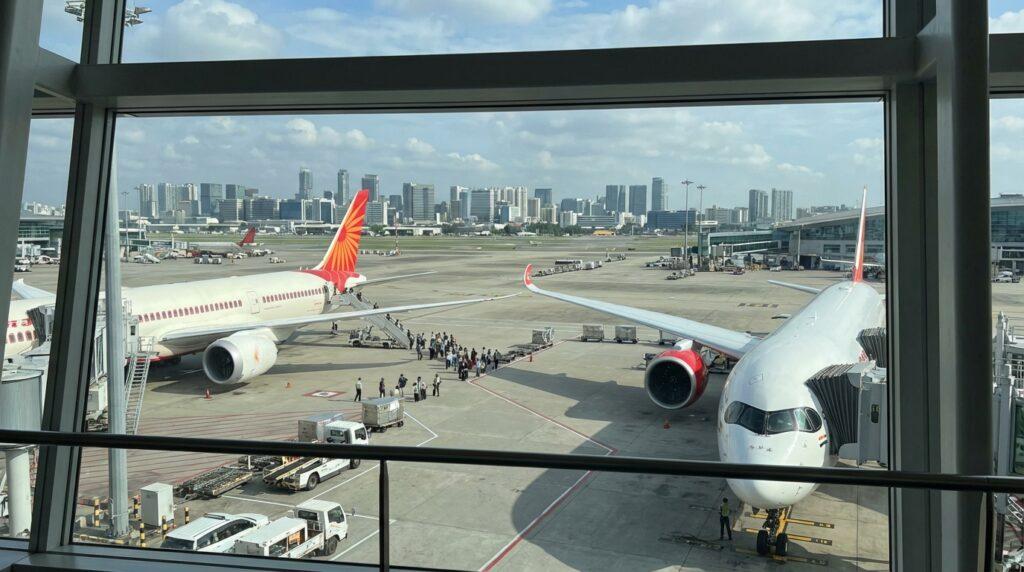
The Indian airline Air India takes a further step in its strategic expansion in Asia. As early as May 2026, it will inaugurate a direct service between Delhi and Hanoi, strengthening its presence in Vietnam. Then, in June, it will launch a non-stop service between Mumbai and Tokyo-Haneda, consolidating its position in the Japanese market. These new routes, operated with modern aircraft such as the Airbus A320neo and Boeing 787-8, testify to Air India's determination to capture a growing share of passenger and business traffic between India and these dynamic Asian markets.
Delhi-Hanoi: a stronger air connection
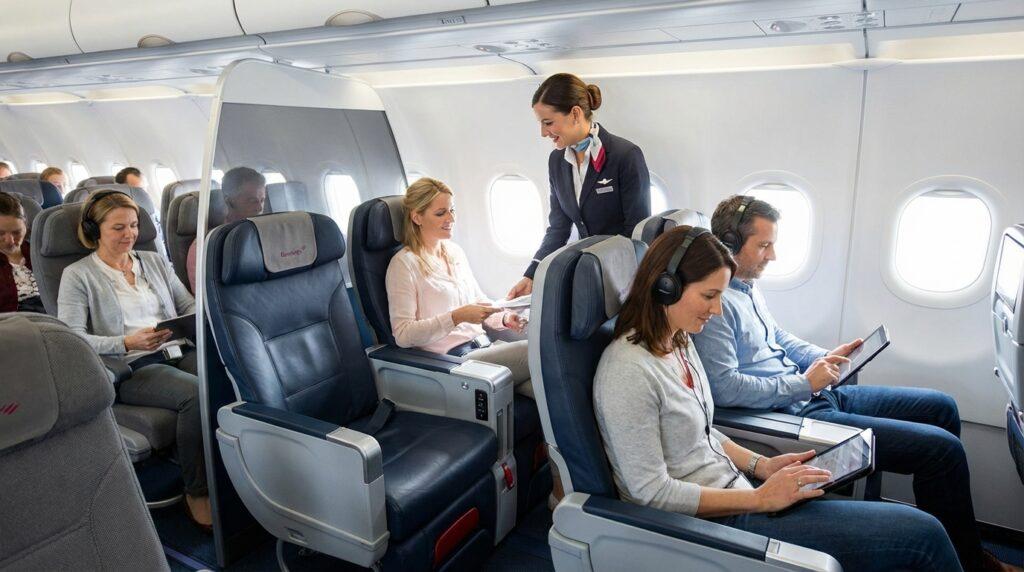
From May 1, 2026, Air India will offer five direct weekly flights between Delhi and Hanoi. This new route will make the Vietnamese capital Air India's second gateway to Vietnam, complementing the existing service to Ho Chi Minh City. The route will be served by an Airbus A320neo, equipped with modernized cabins promising enhanced comfort for passengers, divided into three classes: Business, Premium Economy and Economy.
According to the airline, these new flights will add more than 7,000 monthly seats on the India-Vietnam route, meeting growing demand from the leisure and business segments. Flights via Delhi will also offer easier connections to many destinations on Air India's domestic and international network, including the UK and several European cities. This increased capacity enables travelers to build flexible itineraries, combining the two Vietnamese metropolises, Hanoi and Ho Chi Minh City.
The choice of Hanoi as a new destination is part of Vietnam's rise as a tourism and business hub in Southeast Asia. The airline points out that Vietnam has become the third most visited destination in the region, attracting over 20 million visitors by 2025. For Indian travellers, this new route offers more direct access to northern Vietnam, a region rich in cultural sites and major economic hubs, while also smoothing the flow of tourism and business.
The opening of the Delhi-Hanoi route strengthens Air India's capacity on a fast-growing Southeast Asian route, meeting the demand of both leisure and business travellers.
Mumbai-Tokyo Haneda: a strategic long-haul route
June 15, 2026 marks the launch of a new direct service between Mumbai and Tokyo-Haneda airport, operated four times a week by a Boeing 787-8 Dreamliner. This new route, AI356, will leave Mumbai at 4.50pm and arrive in Haneda the following day at 4.55am, while the return flight, AI355, will leave Tokyo at 8.50am and land in Mumbai at 2.20pm.
This new route completes the existing offer to Japan, already served from Delhi with a daily frequency. Air India recently improved its service on the Delhi-Tokyo route by replacing the Boeing 787-8 with a 787-9, offering renovated cabins and introducing Premium Economy class for the first time on this route.
A key element of this strategy is Air India's codeshare partnership with All Nippon Airways (ANA). This agreement will give passengers access to six major Japanese cities from Haneda: Fukuoka, Hiroshima, Nagoya, Okinawa, Osaka and Sapporo. This synergy transforms Haneda into a strategic gateway to the Japanese market, combining direct service from Delhi and Mumbai with ANA's extensive domestic network.
The opening of the route from Mumbai, India's economic nerve center, is explicitly aimed at attracting business customers and supporting investment flows and industrial exchanges between the two nations. Data from the Japan National Tourist Board confirms this trend, with an increase of 35% in Indian visitors to Japan in 2025 compared with the previous year, reaching nearly 80% of pre-sanitary crisis levels.
Air India's strategic repositioning
These new routes are part of Air India's profound transformation since its move to private ownership. The company is focusing on upgrading its long-haul product, including new cabins, modernized entertainment systems and a rethought catering offer. On Asian markets, Air India is seeking to reposition itself against regional and Gulf airlines, which have a strong presence on routes between India and North-East Asia.
Be the first to comment on this article
On the same topicair india
- Air India relaunches direct Delhi-Rome flights: a new era for Indo-Italian routes
- Air India faces a moment of reflection after the crash of flight 171: between safety, caution and uncertainty
- After the Air India crash, IATA proposes to equip cockpits with surveillance cameras
- Air India accident: DGAC audit highlights shortcomings and poor oversight
- One of the engines on Air India flight AI171 was brand new at the time of the crash
- Air India plans to acquire 200 single-aisle aircraft, with a choice between Airbus and Boeing