Vietnam: Long Thanh’s New Hub in Peril Before Even Opening, Airlines Sound Alarm

As Vietnam’s Long Thanh International Airport approaches its December 24, 2026 inauguration, airlines are sounding the alarm over persistent delays in preparations. A survey by Vietnam’s Civil Aviation Authority reveals that 34 foreign carriers are demanding a six-to-twelve-month postponement of the transfer of their operations from the current Tan Son Nhat airport in Ho Chi Minh City. Their primary concern? Unreliable road access and ground services that are not yet operational.
These airlines, which account for a significant share of Vietnam’s air traffic, argue that the three months remaining before the opening will not be enough to finalize all tests and address detected issues. The survey shows that 24 carriers would prefer to wait until the 2027-2028 winter season, while the remaining ten are considering an even later date, possibly after March 2028. For them, the current schedule is simply unrealistic.
Mounting Logistical and Operational Challenges
The transfer to Long Thanh requires a complete overhaul of flight schedules, aircraft and crew redistribution, and reservation system adjustments. But the most urgent issue remains ground services. Airlines are demanding reliable connections between Long Thanh and Ho Chi Minh City, adequate transit hotels, and dedicated medical services. However, several highway sections linking the airport to the city are still under construction, with completion not guaranteed before the opening.
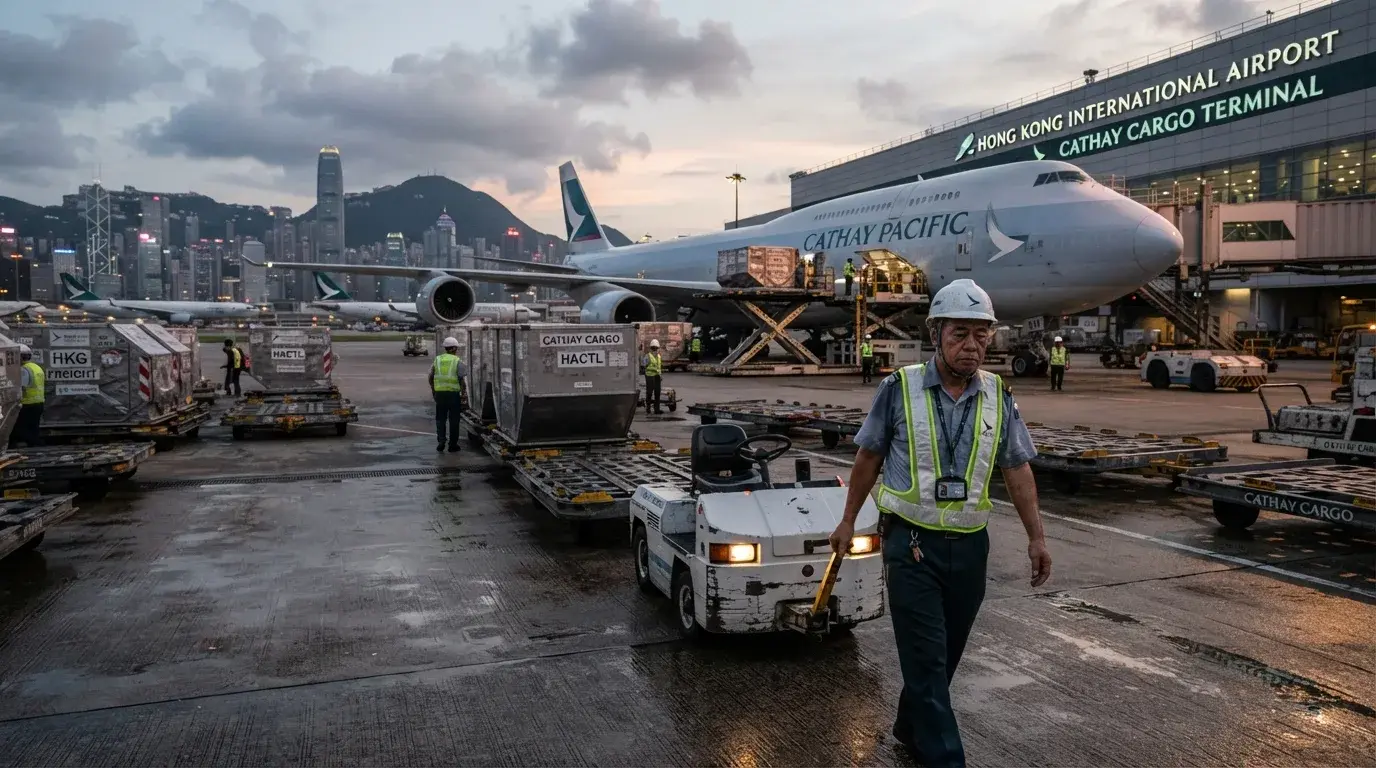
Air freight remains a major concern. International carriers such as UPS, FedEx, DHL, and Cargolux insist that package handling facilities, customs services, and truck access must be perfectly coordinated. Yet, preparations could take up to a year, according to experts. Without these assurances, the risks of major disruptions are very real.
A Rapidly Growing Traffic Justifying Urgency
Long Thanh is meant to relieve the congestion at Tan Son Nhat, whose capacity is already exceeded. From the first quarter of 2027, the airport is expected to handle up to 226 flights per week, including 182 domestic and 44 international flights. Vietnam Airlines has already planned routes to Beijing, Guangzhou, Hong Kong, and Manila. The transfer of long-haul international flights from Tan Son Nhat is even scheduled for the summer of 2027, well ahead of the timeline preferred by most airlines.
This colossal project, with its first phase designed to accommodate 25 million passengers per year and a final target capacity of 100 million, is based on a growth rate of over 10% in Vietnamese air traffic over the first nine months of 2026. International traffic has already exceeded 42 million passengers, while domestic traffic has approached 68 million. Yet, this momentum could be compromised if preparations are not completed on time.
Insufficient Testing and a Tight Schedule
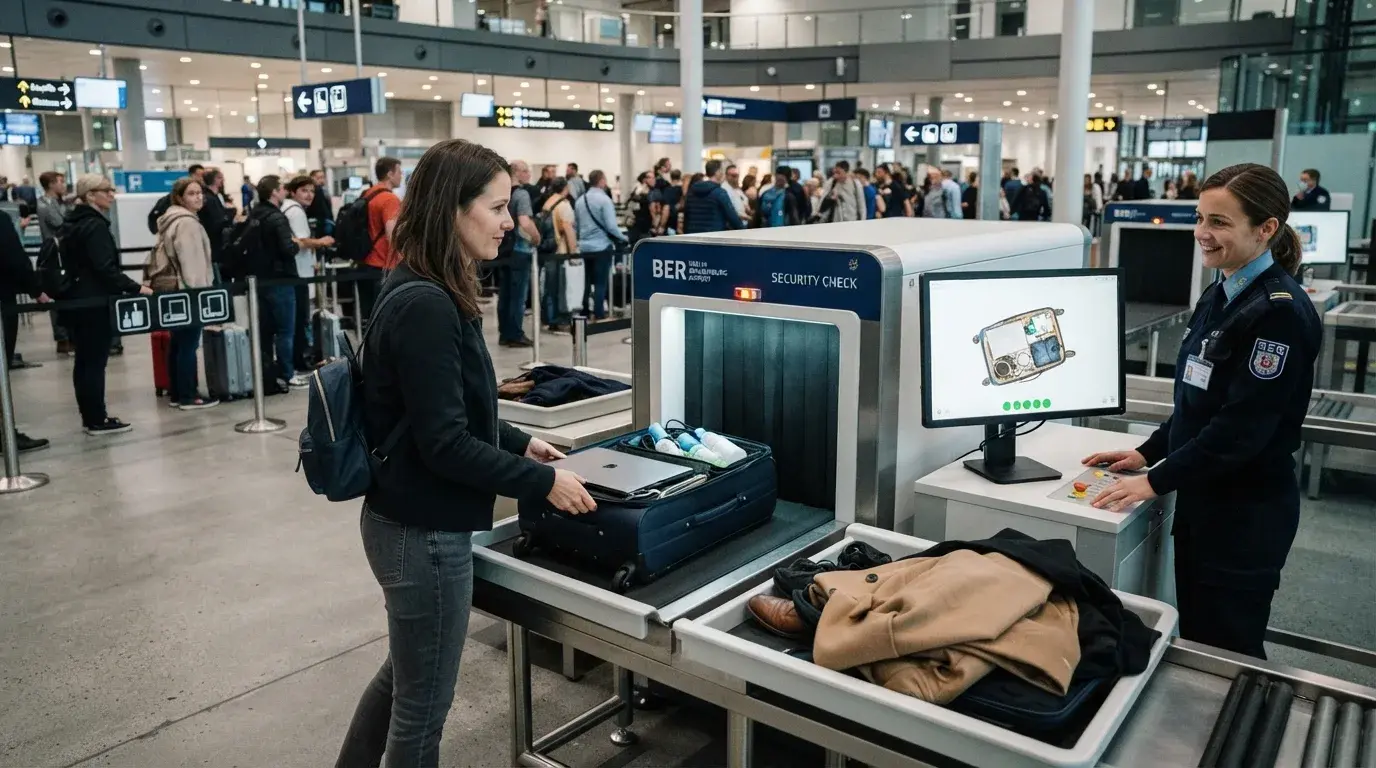
Vietnam’s Civil Aviation Authority itself acknowledges that comprehensive tests have only three months to correct detected issues. « Tests cover the entire passenger journey, from check-in and security screening to baggage handling and boarding », explains the Airports Corporation of Vietnam (ACV), the operator of the new airport. But airlines remain skeptical: how can smooth operations be guaranteed with such a tight schedule?
The Vietnamese Ministry of Construction has even indicated that the opening date could be « reassessed in light of on-site findings ». A rare admission that underscores the scale of uncertainties surrounding this project. For travelers, the risk is twofold: repeated delays at departure or arrival, or even flight cancellations if infrastructure is not ready.
A Major Economic and Strategic Stakes
Long Thanh is not just an infrastructure project but an economic lever for Vietnam. By reducing dependence on Tan Son Nhat, the airport is expected to accommodate sustained growth in both domestic and international air traffic. The first phase of the project, designed for 25 million passengers, is already an ambitious bet. Ultimately, the target capacity is 100 million passengers and five million tons of cargo per year.
Yet, without cooperation from airlines and operational road access and ground services from day one, this hub could become a liability rather than an asset. Airlines, which have already invested millions in preparing for this transfer, are sounding the alarm. Their message is clear: Long Thanh cannot open under these conditions.
What to Do in the Meantime?
For travelers planning a trip to Vietnam in the coming months, caution is advised. Vietnam Airlines, which will be one of the main operators at the new airport, is already offering flights from Tan Son Nhat to its international destinations. However, the situation remains unclear for domestic connections and transfers.
If you have a flight scheduled to or from Vietnam between December 2026 and March 2027, it is advisable to regularly check official announcements and contact your airline for any changes to the schedule. Disruptions could be frequent, and airlines may adjust their offerings based on infrastructure availability.
Long Thanh represents a major step forward for Vietnam, but its success will depend on the ability of authorities and airlines to overcome current logistical challenges. In the meantime, travelers must prepare for a period of uncertainty.
Be the first to comment on this article