Morocco: Why the Destination is Drawing More Travelers Despite Middle East Tensions
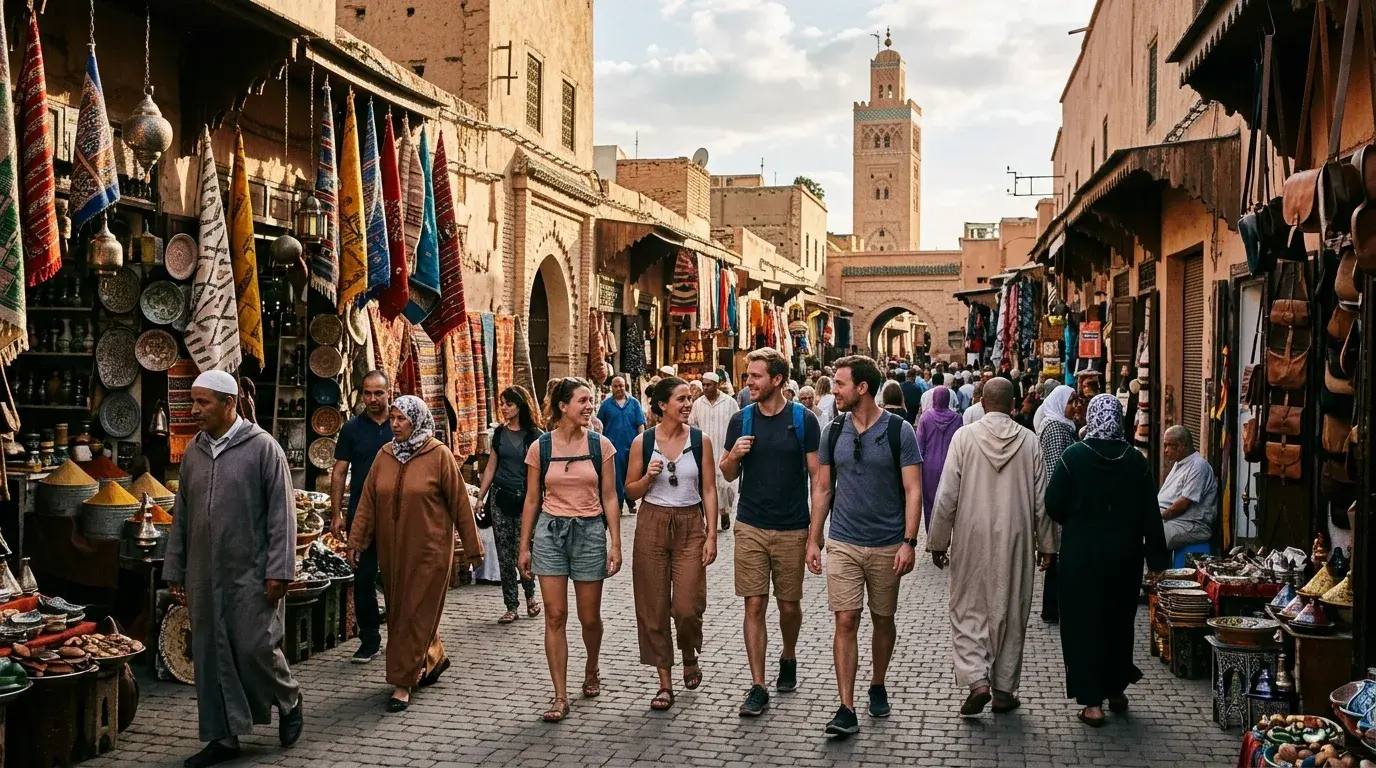
Morocco continues to captivate French and European travelers. While tensions in the Middle East weigh on several competing destinations, the Kingdom is showing a clear increase in visitor numbers and is reinforcing its position in the leisure travel market. Figures released by Morocco’s Ministry of Tourism confirm a trend already visible in bookings: holidaymakers are seeking simpler routes, transparent costs, and a destination perceived as stable.
In the first quarter of 2026, the country welcomed 4.3 million tourists, a 7% increase year-on-year. This growth comes at a time of constrained global air traffic, with higher fuel costs and more cautious spending by travelers. In this landscape, Morocco benefits from a rare combination: proximity to Europe, a wide hotel offering, dense air links, and prices that often remain competitive compared to other Mediterranean destinations.
The momentum is not solely driven by a temporary substitution effect. Morocco had already closed 2025 as Africa’s top tourist destination, with 19.8 million visitors. The current surge is part of a longer-term trajectory, supported by improved air connectivity and a strategy to diversify the territories visited.
A growth driven by bookings and connectivity
March 2026 marked a peak, with an 18% rise in arrivals according to official data. After a more mixed start to the year, this rebound was enough to lift the quarter. For industry professionals, the signal is clear: demand for Morocco remains strong as long as flight offerings are available at acceptable times and prices.
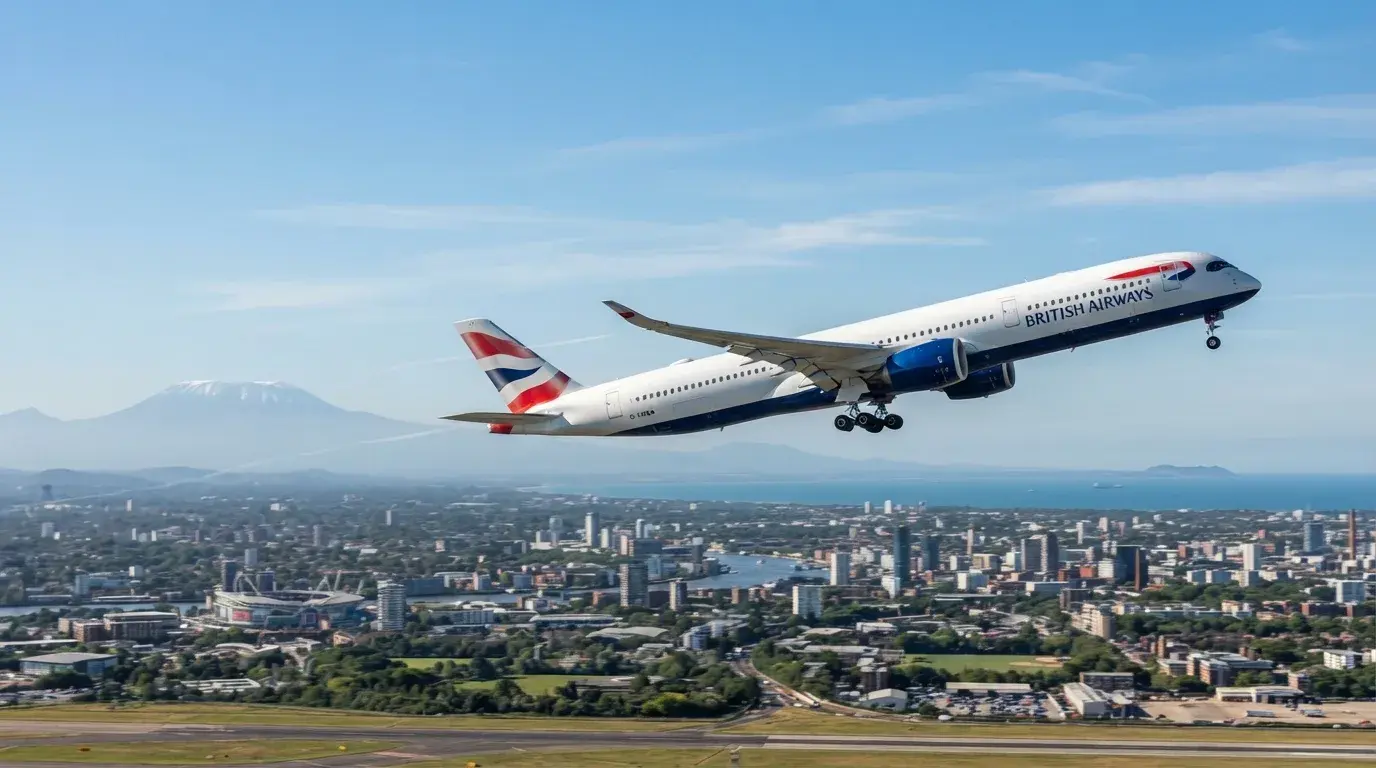
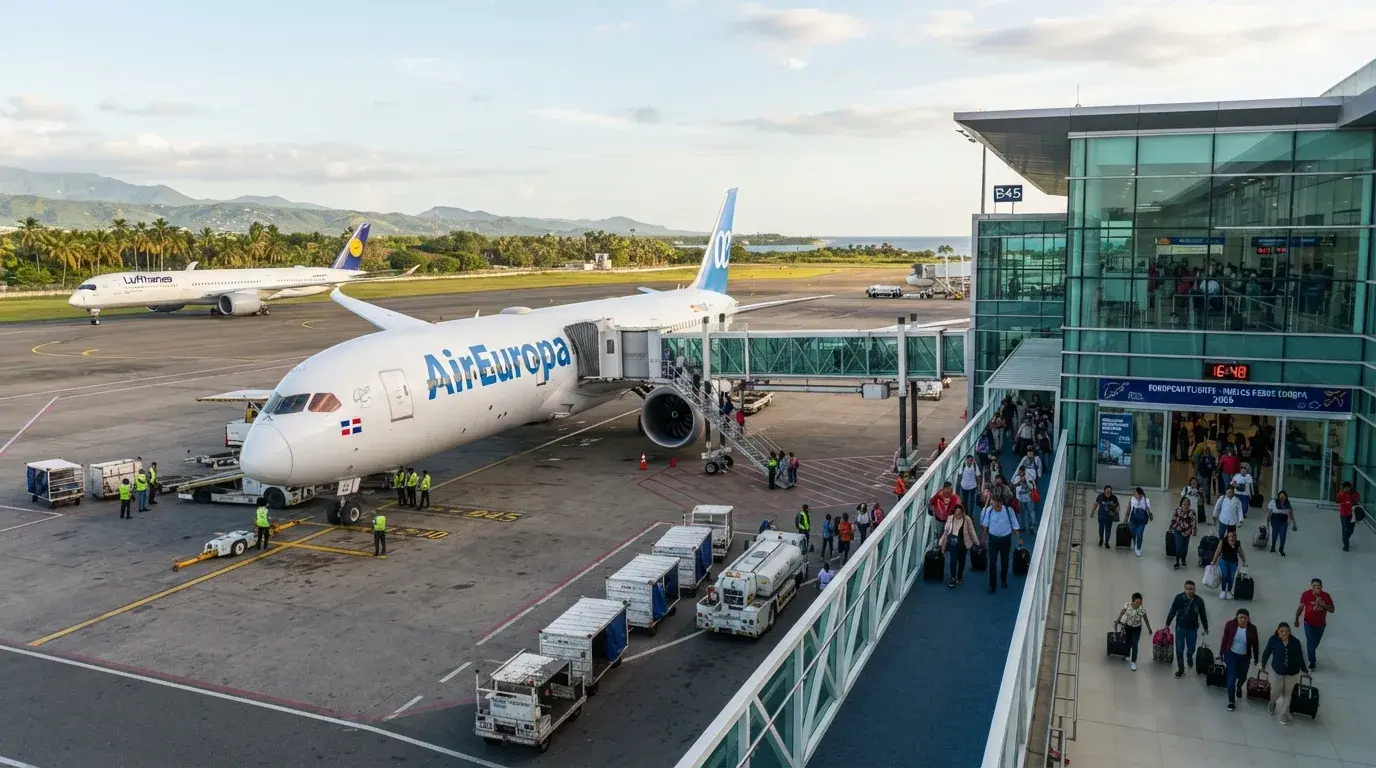
It is precisely in this area that the country has strengthened its position. France remains its top outbound market, and low-cost carriers have accelerated the launch of new routes. Transavia announced 14 new links between France and Morocco, with over 130,000 additional seats for 2025-2026. Departures include Rennes, Lille, Biarritz, Brest, Deauville, Montpellier, Toulouse, Marseille, Bordeaux, Nantes and Paris, heading to Agadir, Marrakech, Essaouira, Ouarzazate, Dakhla and Errachidia.
These announcements are complemented by services from easyJet, Vueling, Ryanair and Air Arabia Maroc, which are increasing direct flights from several French and European regions. For travelers, the impact is tangible: fewer connections, more date options, and greater capacity from outside major Parisian airports.
Morocco benefits from the shift effect
In the current context, some demand is shifting away from destinations perceived as more exposed to regional tensions. Egypt or Turkey, depending on the period, may suffer from this perception, while Morocco benefits from a more stable image among a portion of holidaymakers. Flywest notes that several analysts see this movement as a genuine shift effect, reinforced by Morocco’s geographical proximity to Europe and a more transparent travel environment for families and individual travelers alike.
The phenomenon is particularly visible in Marrakech, where bookings have reached high levels on specific outbound markets. The city remains the engine of the destination, but it is no longer the only one driving growth. Essaouira, Agadir, Tangier and Dakhla are gaining ground among travelers seeking beach getaways, urban escapes or outdoor activities.
Value for money also plays in Morocco’s favor. Between flight duration from France, accommodation variety and airline competition, Morocco often remains more affordable than equivalent stays on other Mediterranean coasts. This positioning matters at a time when many households are carefully managing their vacation spending.
High ambitions by 2030
Morocco’s Ministry of Tourism is targeting 22 million visitors in 2026. In the longer term, the official ambition is to exceed 26 million tourists by 2030 and rank among the world’s top 15 destinations. This goal is based on the 2030 strategy of Morocco’s National Tourism Office, structured around aviation, distribution, branding and digitalization.
This roadmap is far from abstract. It is embodied in agreements with airlines, efforts to expand international markets and the upgrading of the hotel offering. Moroccan authorities emphasize customer satisfaction but also better distribution of flows across the country. The challenge is to avoid concentrating activity in a few already saturated hubs, while other regions still have real development potential.
Within this logic, strengthening Casablanca’s connectivity remains important. The hub serves as an entry point for regional and long-haul connections while supporting market diversification beyond Western Europe. Morocco is now seeking to attract more travelers from Eastern Europe, the Gulf and North America.
Dakhla and Essaouira: two rising destinations
Dakhla is among the territories highlighted by ONMT. The office is developing a strategy based on aviation, marketing, digital and distribution. The goal is simple: to move the destination from a niche market to a more regular flow, particularly in sports tourism and discovery segments. To achieve this, authorities are partnering with airlines to open point-to-point routes from France and Spain.
Essaouira is following a different but equally interesting trajectory. The city is attracting an increasingly broad clientele, especially travelers seeking a quieter stay than Marrakech or Agadir. It benefits from new direct routes and growing interest from some French retirees, who now include it among their overseas destinations, according to Retraite sans Frontières.
These two examples show that Moroccan tourism is no longer limited to classic circuits. The country is working on its territorial network and seeking to extend the length of stays by offering more varied products. This is an important point for airlines and accommodation providers, as seasonality can be better distributed.
What to check before departure
Before traveling to Morocco, the rules remain straightforward but must be verified in advance. Flywest highlights the essential points: a valid passport is mandatory; a national ID card alone is not sufficient. Travel insurance is recommended, covering medical expenses and repatriation. Travelers should also prepare local currency and familiarize themselves with local customs, especially in urban and religious sites.
On the health front, the European Health Insurance Card does not apply in Morocco. Travelers must therefore take out private insurance to avoid significant costs in case of medical care. In a context of strong demand, these formalities do not deter departures, but they remain essential to avoid unpleasant surprises upon arrival.
A market driven by airlines
The growth of Moroccan tourism largely depends on airlines’ ability to open profitable routes. Low-cost carriers have played a key role in expanding the customer base by lowering the entry ticket for many European travelers. The launch of routes from regional French cities has also redistributed flows, preventing passengers from systematically routing through Paris.
This evolution supports cities like Marrakech, Agadir and Essaouira, but also more remote destinations such as Dakhla or Errachidia. The Moroccan government appears to have understood that the tourism battle is now fought as much in the air as on the ground. When air offerings follow, demand materializes quickly. When seats are scarce, potential remains theoretical.
For travel professionals, Morocco is therefore a destination to watch closely. Its growth is driven by classic fundamentals but also by an international context that favors it. Summer 2026 bookings should confirm whether the shift effect observed since the start of the year is here to stay or remains tied to the current geopolitical situation.
Be the first to comment on this article