EU Biometric EES System to Transform Your Next Flights to Rome, Lisbon or Milan
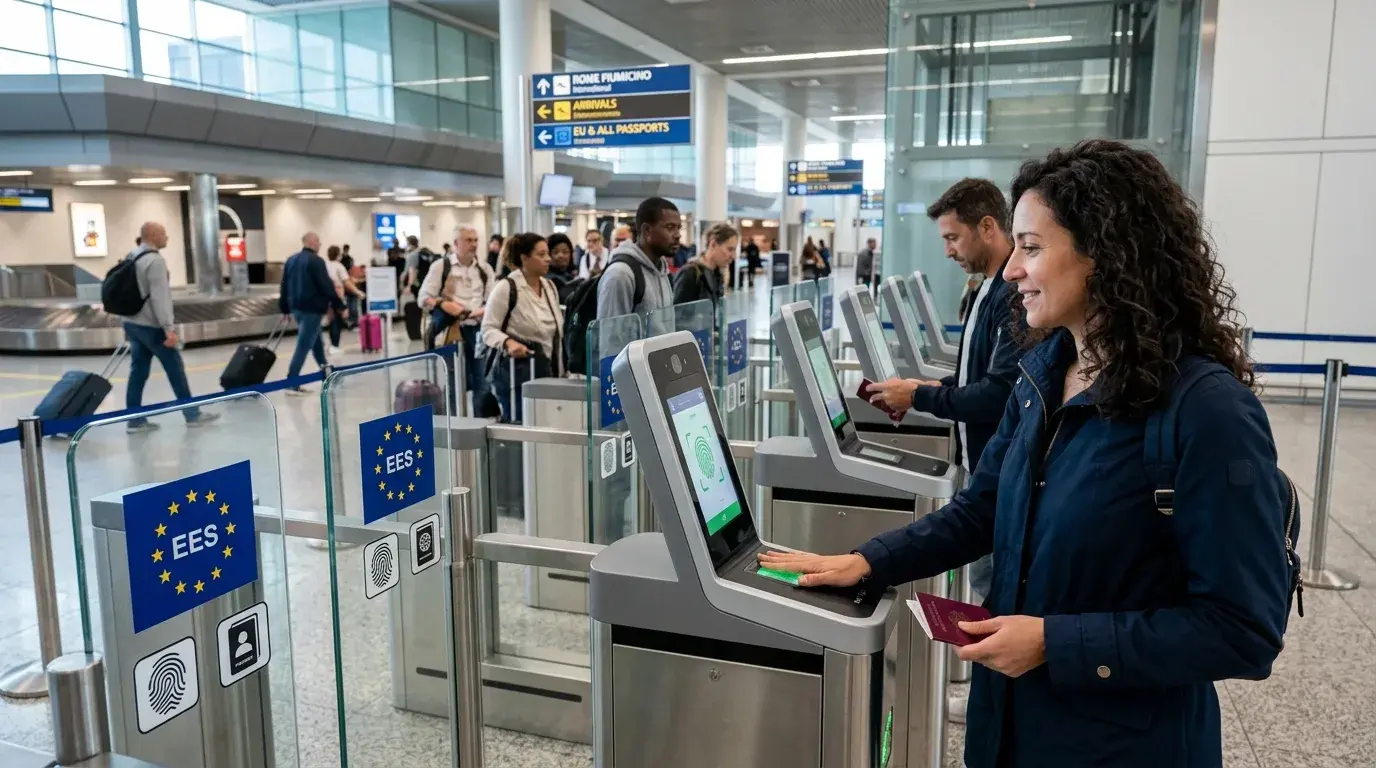
Your next trips to Italy, Portugal, or Italy may be disrupted by the rollout of the Entry/Exit System (EES), the EU’s biometric requirement enforced since April 2026. No more passport stamps for non-Schengen passengers—systematic fingerprint and digital photo registration is now mandatory. While officials claim this could streamline border checks, early feedback suggests it may turn queues into nightmares—or at least add significant delays.
In Rome, airport operators are already sounding the alarm. Fiumicino and Ciampino, two of Europe’s busiest hubs, have threatened to temporarily suspend the system this summer if queues become unmanageable. With traffic peaks expected from July, Italian authorities argue that the EES, as currently deployed, is incompatible with operational needs. Marco Troncone, CEO of Aeroporti di Roma, didn’t mince words: « Without additional flexibility, we’ll have to partially shut down the system to avoid chaos ».
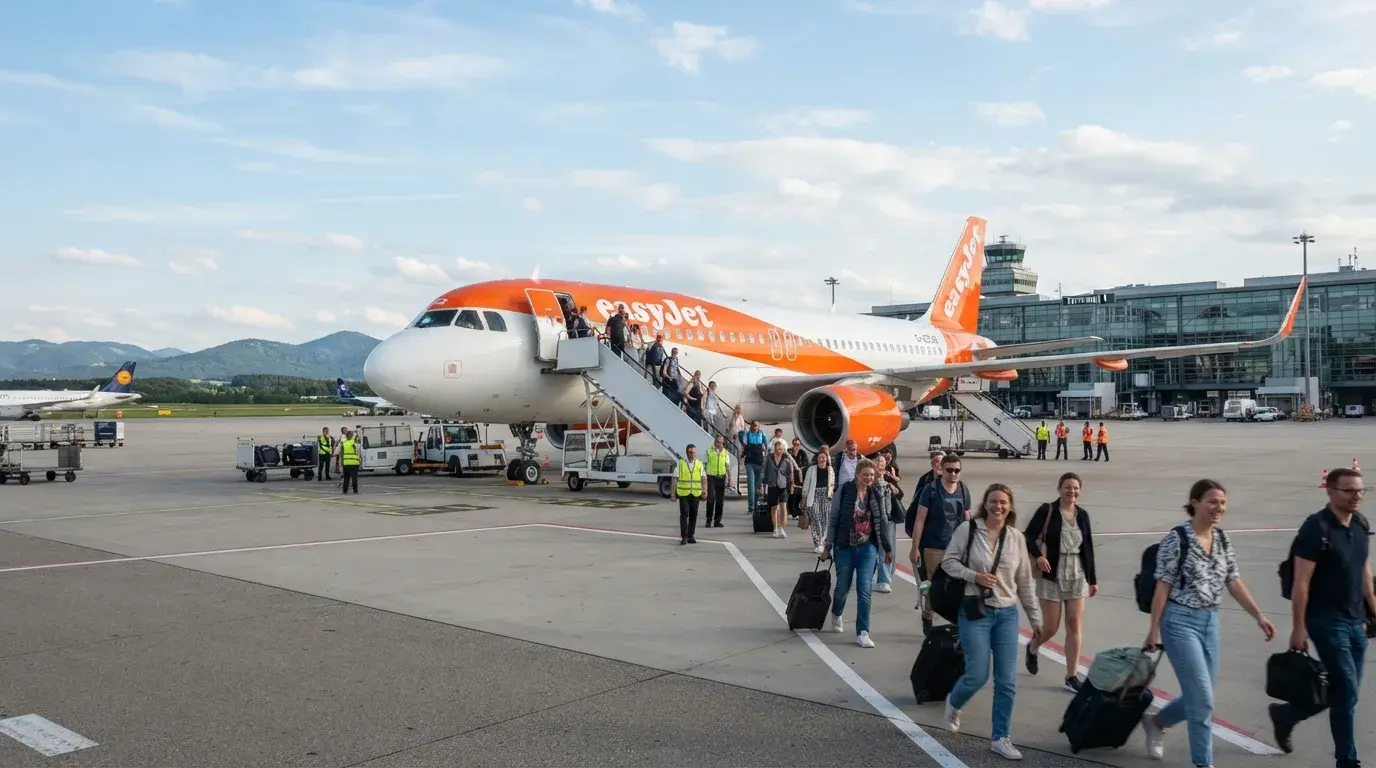
The issue isn’t limited to Italy. In Lisbon, Humberto Delgado Airport suspended the EES entirely for three months in 2026 due to severe deficiencies, causing waits of up to seven hours. At Milan-Linate, an easyJet flight to Manchester departed without 122 passengers, trapped in endless queues. Industry groups like ACI Europe and Airlines for Europe (A4E) now describe the situation as a « systemic failure » rather than mere teething troubles. Olivier Jankovec, Director General of ACI Europe, warns: « The system’s rollout will inevitably lead to severe disruptions and systemic breakdowns at airports ».
Under pressure, the European Commission delayed full deployment to September 2026 and admitted that long queues are largely due to staff shortages and inadequate infrastructure. Brussels highlights a « built-in flexibility » allowing temporary suspension of EES functions during peak periods. Yet industry players remain skeptical. The IATA warns of waits up to six hours at some European airports this summer.
For travelers, this means one thing: you’ll need to plan like never before. Three-hour waits at border controls? Missed connections in droves? Biometric checks layered on top of standard security? Airlines, powerless to fix the dysfunction, are now alerting passengers. Royal Air Maroc, for example, now reminds passengers of Mexico’s biometric entry rules on flights to Monterrey, where similar formalities apply.
So how can you avoid getting stuck in hours-long queues at Rome, Lisbon, or Milan? Experts recommend pre-filling online formalities before travel—where permitted—and choosing off-peak travel times. Some airports, like Lyon, are testing dedicated biometric kiosks to speed up the process. A temporary fix, but one that could mean the difference between a missed flight and an on-time departure.
The EES: A System Dividing Europe
Adopted in 2018, the Entry/Exit System (EES) was meant to modernize EU border controls and combat document fraud. For non-EU passengers, it means mandatory biometric registration on first entry to the Schengen Area, then every five years. But since its April 2026 rollout, the system has faced relentless criticism.
The first weeks revealed major technical issues across multiple countries. At Paris-Charles de Gaulle, queues sometimes exceeded two hours, causing cascading delays for connecting flights. At Amsterdam-Schiphol, controllers reported recurring glitches in facial recognition systems, forcing manual checks that dragged on. Spanish airports like Madrid-Barajas and Barcelona-El Prat also reported malfunctions, though less severe than in Italy or Portugal.
Yet the European Commission defends the project, citing significant security improvements and reduced fraud thanks to biometric checks. « The system is fully operational and meets Europe’s need for modernized borders, » insists a Commission spokesperson. But airlines and airports argue that travel fluidity must come first. « Three-hour waits at arrival are unacceptable—for passengers and airlines alike, » says a Rome Fiumicino executive.
Which Countries Are Hit Hardest?
Not all European airports are equally affected. Scandinavia and Germany appear better prepared, thanks to modern infrastructure and adequate staffing. Others—Rome Fiumicino, Lisbon Humberto Delgado, and Milan-Linate—are on the front lines of dysfunction. Here’s a country-by-country breakdown:
Italy: Rome’s Fiumicino and Ciampino airports, along with Milan-Linate, face the worst delays, with queues up to three hours during peak times. Authorities threaten partial EES suspensions if conditions don’t improve.
Portugal: Lisbon suspended the system for three months in 2026 after severe issues. Porto’s airport is less affected, but travelers are urged to prepare early.
France: Paris-Charles de Gaulle and Nice Côte d’Azur have seen delays, though less severe than in Italy. Lyon and Marseille airports, though quieter, are testing alternatives like dedicated biometric kiosks.
Spain: Madrid-Barajas and Barcelona-El Prat reported technical bugs, but nothing as critical as in Italy or Portugal. Spanish authorities expect gradual improvement.
Greece: Athens and Thessaloniki are less impacted, thanks to early preparation and sufficient staffing. Queues typically stay under an hour.
How to Prepare for the EES and Travel Stress-Free
Faced with this new challenge, travelers must adapt their habits. Here’s how to navigate the EES smoothly:
First, check your destination’s requirements. Some countries, like Mexico, impose specific biometric formalities even for transit passengers. Royal Air Maroc now reminds Moroccan fans flying to Monterrey that they need a valid Mexican visa or Schengen visa.
Second, prepare your documents in advance. If traveling outside the Schengen Area, ensure your passport is valid and your fingerprints are registered in the system (some countries, like the UK or US, already collect this during security checks). Passengers who skip EES checks risk being denied boarding.
Third, choose strategic travel times. Airports recommend arriving three hours early for long-haul flights and two hours for intra-European trips. With the EES, add an extra hour for biometric formalities.
Finally, use online services when available. Italy and Portugal offer pre-registration platforms for frequent travelers or tourists, saving precious time during peak seasons.
Alternatives to Beat the EES Queues
Frustrated passengers and airports are exploring workarounds. In Lyon, the airport is testing dedicated biometric kiosks for ticketed passengers with valid ID. These kiosks, placed before security, let travelers scan fingerprints and photos in minutes, cutting queue times at counters.
Brussels Airport is experimenting with mobile biometric checks, conducted onboard flights before landing. A fledgling solution, but one that could scale if tests succeed.
In Italy, authorities are considering reducing biometric formalities for transit passengers. If adopted, this could ease congestion at hubs like Rome Fiumicino and Milan Malpensa.
For travelers, these innovations offer hope—but they won’t solve everything. The real fix requires more staff and upgraded infrastructure, projects that could take months or years. Until then, one thing is certain: the EES will reshape your next European trip. Between endless queues and emergency fixes, passengers will need to adapt. Airlines and airports are only beginning to grasp the challenges ahead.
So, ready to face the EES on your next flight to Rome, Lisbon, or Milan? One thing’s for sure: you’d better prepare.
Be the first to comment on this article