EES checks in French airports: Why Ryanair is calling for a summer pause
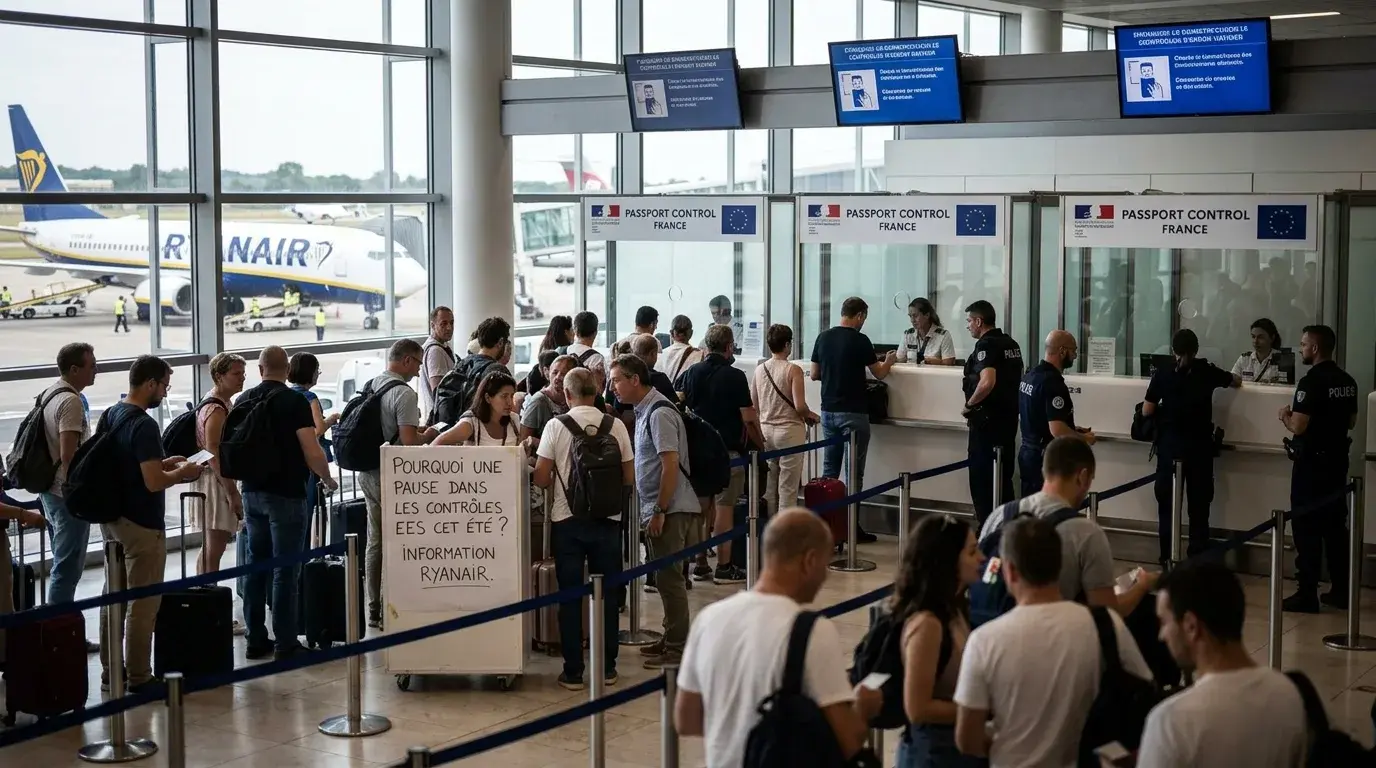
Ryanair is urging France to temporarily suspend new biometric border checks during peak season, warning of 1-2 hour queues at several airports as the European Entry-Exit System (EES) rolls out. For travelers, the time spent at passport control now risks matching the cost of their ticket in terms of travel experience.
In a letter to France’s Interior Ministry, the Irish low-cost carrier is calling for a pause until September, with a temporary return to manual passport stamps. Ryanair argues that border police lack the resources to handle non-EU passenger flows as departures surge. The airline warns that the full launch of EES could disrupt connections and complicate arrivals at the busiest airports.
The demand comes as the EU system, designed to strengthen tracking of entries and exits in the Schengen Area by replacing manual stamps with biometric registration, faces industry skepticism over its timing. Ryanair does not dispute the reform’s purpose but questions its implementation during peak travel, when airports already grapple with high passenger volumes, stretched staffing, and tight connections.
Ryanair’s criticisms of EES deployment
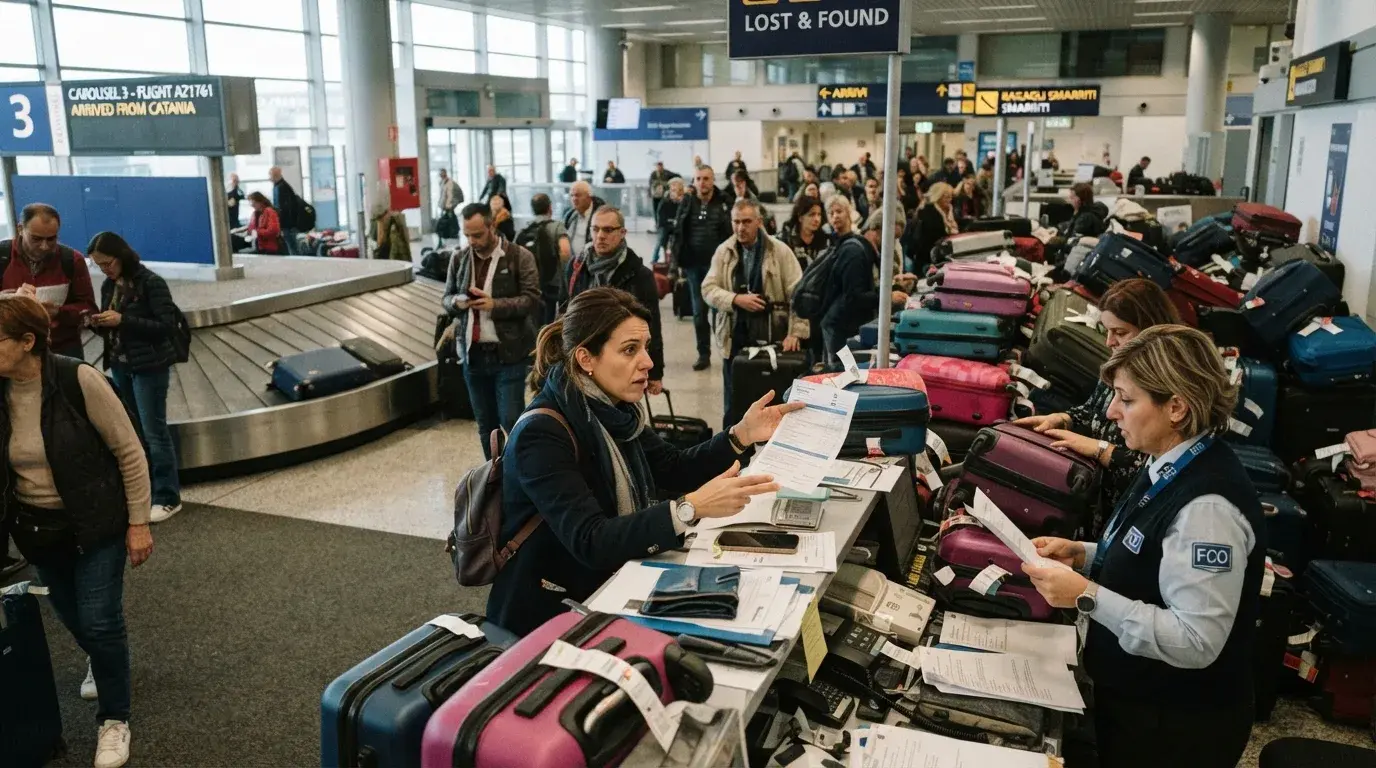
The airline claims wait times of up to two hours at several French airports, with even longer delays at peak hours. It highlights Paris-Beauvais, Marseille-Provence, and Nantes-Atlantique as the worst-affected hubs. Its core argument: prolonged waits at passport control disrupt the entire travel chain, from transfers to connecting flights.
Ryanair also points to operational hurdles. Border agents must now capture facial photos, fingerprints, and other data during the first entry, a process that takes longer than traditional checks. While some travelers won’t repeat the procedure on subsequent trips, the system’s rollout is causing slowdowns as procedures and equipment stabilize. The airline warns this shakedown phase directly threatens flight punctuality and arrival efficiency.
Ryanair deplores that staff shortages and system failures continue to cause unnecessary disruptions for its passengers.
Meanwhile, aviation groups including ACI Europe and Airlines for Europe have reported disruptions in the early days of full EES operation. Criticism focuses less on the system’s logic than its ability to keep pace in major tourist airports. In an industry where even minutes of delay can trigger cascading effects, the stakes go beyond passport control queues.
How EES changes travel for passengers
The EES system is designed to record entries and exits of third-country nationals at every external Schengen border crossing. It applies to non-EU travelers, including those with short-stay visas. The European Commission’s goal is to better enforce the 90/180-day rule and curb overstays.
Practically, travelers are identified using biometric data and travel details. Instead of manual passport stamps, authorities now store digital records of crossings. For authorities, this improves control, helps detect overstays, and enhances security. For passengers, it may mean longer wait times at arrival—at least initially.
The European Commission distinguishes EES from ETIAS, a pre-departure travel authorization for visa-exempt nationals. While both contribute to Europe’s digital border strategy, EES applies at the border, whereas ETIAS is a pre-travel requirement. For travelers, this means preparing earlier for departure and accepting a more technical arrival process.
Why France is particularly vulnerable
France is especially exposed due to its high volume of international passengers, both at leisure airports and major hubs. Arrivals from outside the EU are substantial, including family, tourist, and business travelers. Under these conditions, a slower entry system can quickly create bottlenecks, especially when multiple long-haul flights land simultaneously.
Ryanair’s focus is on airports where seasonal traffic peaks and border staff must process wave-like arrivals. The airline is calling for a temporary suspension to prevent travelers from facing long delays during the busiest time of year. In its view, it’s better to delay full implementation than risk a summer marred by missed flights, missed connections, and passenger complaints.
French authorities counter that EES was designed to improve traceability and security. They acknowledge an adjustment period is inevitable with such a system change. The debate centers on a practical question: Can a more demanding system be deployed without degrading efficiency, particularly in airports already strained in July and August?
A stress test for Europe’s borders
Beyond France, the situation raises broader questions across Europe. The shift to biometric checks promises security and stay-tracking benefits but requires trained staff, reliable equipment, and precise peak-traffic management. Without these, modernization could simply mean longer waits for passengers.
Ryanair is not alone in its concerns. Industry groups warn the system must not penalize travelers when traffic rebounds to high levels. They call for greater flexibility, including the possibility of temporarily disabling certain checks when queues exceed critical thresholds. The goal isn’t to abandon reform but to prevent it from causing congestion at the worst possible time.
For non-EU travelers arriving in France this summer, the key is to expect potentially longer passport control times—especially at major airports. For airlines, the challenge is to minimize cascading delays and protect connections. For authorities, the test will be proving the system can function without slowing access to the territory. The answer will unfold in terminals, as lines move—or stall—at the new control kiosks.
Be the first to comment on this article
On the same topic
- Ryanair and Google Cloud Partner to Revolutionize Flights with AI by 2026
- Charleroi-Brussels South closed for 11 weeks in 2028: how to organize your trips stress-free
- How Ryanair Prepares for Its Biggest 2026/27 Winter with 80 Million Seats and 1,700 Routes
- easyJet soon in Apollo’s hands? What the fund battle means for your European flights
- Dublin Airport: Ireland to Lift Passenger Cap Threatening Growth
- Ryanair tightens check-in deadlines from November 2026