Lufthansa Technik Opens Giant MRO Hub in the Philippines: Why This Facility is a Game-Changer for Long-Haul Flights
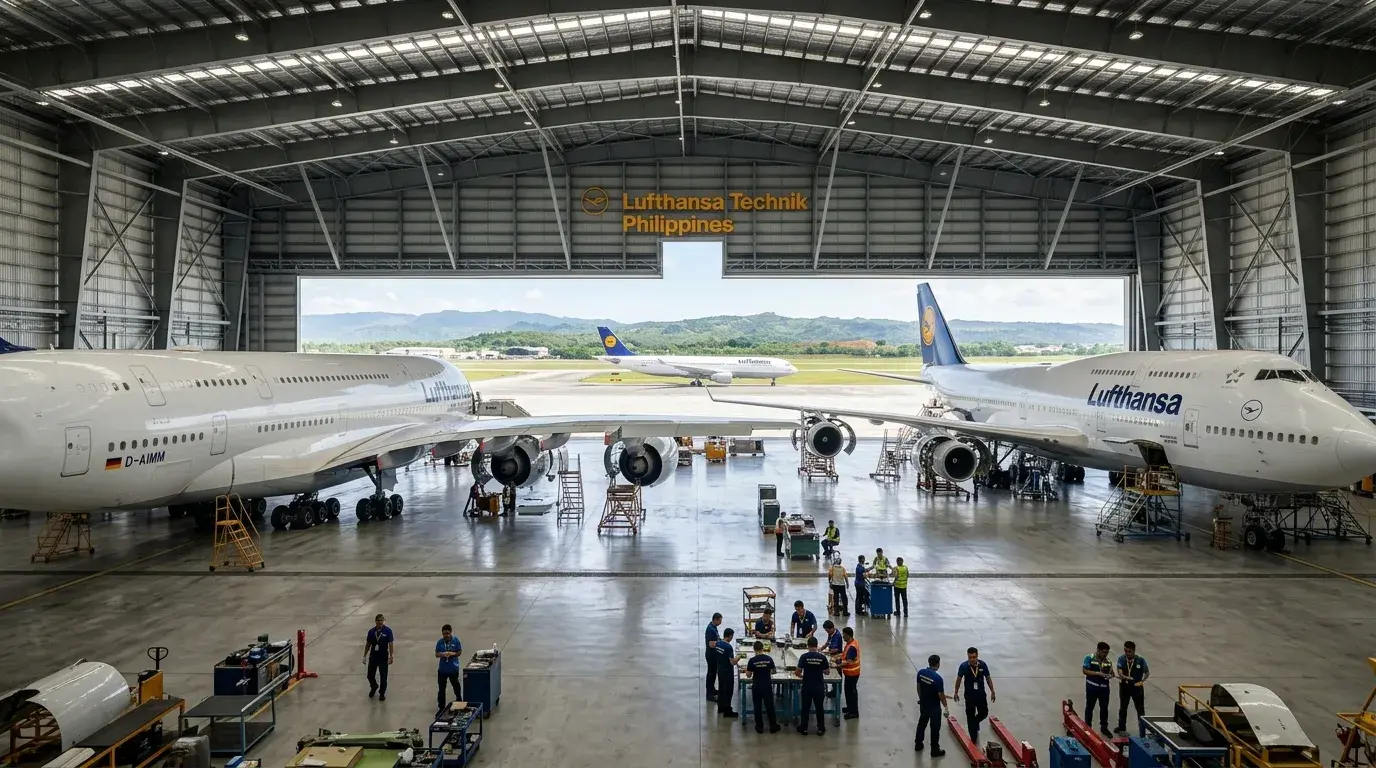
With an investment of several hundred million dollars and the creation of 1,200 skilled jobs, Lufthansa Technik has just launched a new aeronautical maintenance center in Clark, Philippines. This site, spanning 157,000 m², will be able to handle up to nine wide-body aircraft simultaneously, making it one of the largest MRO (Maintenance, Repair, Overhaul) hubs in the Asia-Pacific region. This announcement is more than just industry news: it directly impacts the reliability of long-haul flights, including those serving Europe.
The German group’s stated goal is clear: to support the explosive growth in air traffic across the Asia-Pacific region, where demand for intercontinental routes is surging. With the opening of this new site, Lufthansa Technik is strengthening its presence in the Philippines, where it has already operated for over 25 years in Manila. But that’s not all. This center, set to enter service in 2028, will play a key role in maintaining long-haul aircraft such as the Airbus A330, A340, A350, A380, and the Boeing 777 and 787. These are the workhorses of global aviation, relied upon by millions of travelers every year.
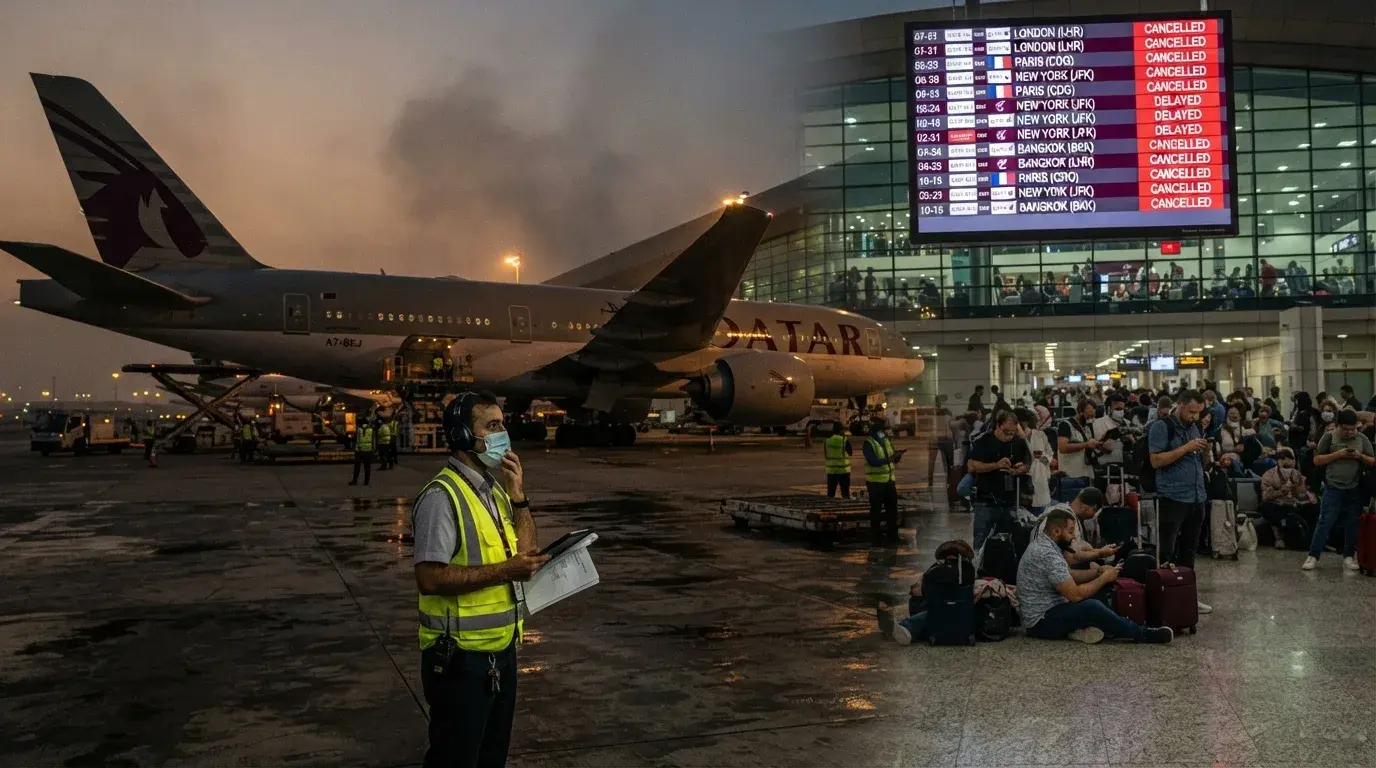
For passengers, this development translates into improved flight punctuality and fewer disruptions caused by technical grounding. Airlines, particularly those operating routes between Europe and Asia, will now have access to more responsive technical support and increased capacity to handle traffic peaks. A boon for travelers in transit or with tight connections, who are often affected by delays or cancellations due to maintenance issues.
A Strategic Hub for Asia-Pacific—and Europe Too
The Asia-Pacific region is now the world’s fastest-growing aeronautical market. With steadily rising demand for long-haul flights, airlines need infrastructure that can keep pace. The new Clark center directly addresses this challenge. It will allow Lufthansa Technik to centralize part of its maintenance operations in a key geographic zone while offering greater flexibility for client airlines.
But why the Philippines? The country has positioned itself as a major logistics hub in the region, with the well-connected Clark International Airport and a skilled workforce. Philippine authorities even hailed the project during a state visit, calling it a “major step in economic cooperation between Germany and the Philippines.” A partnership that could also benefit European travelers, especially those flying routes like Paris-Manila, Frankfurt-Singapore, or Amsterdam-Tokyo, where technical stops are common.
For frequent flyers of the Airbus A380, which is making a strong comeback with Lufthansa, this new center is excellent news. The superjumbo, with its capacity of 500 passengers or more, requires complex and frequent maintenance. The two Philippine sites of Lufthansa Technik (Manila and Clark) will become pillars in ensuring the availability of these iconic aircraft. A guarantee of fewer delays and better connections for travelers departing or arriving in Europe.
Fewer Delays, More Reliability: What This Means for You
Flight delays are one of the biggest sources of frustration for travelers. According to IATA data, maintenance issues account for a significant share of disruptions, especially on long-haul flights. With the opening of the Clark center, Lufthansa Technik aims to reduce these risks. The site will be capable of servicing aircraft like the A380 or Boeing 777—two critical machines for Europe-Asia routes.
For airlines operating these routes, Clark’s proximity to major Asian hubs like Singapore, Dubai, or Tokyo is a major advantage. Aircraft downtime will be reduced, allowing airlines to maximize fleet availability. The result: better route coverage and fewer disruptions for passengers.
Frequent travelers know how technical stops can impact a journey, especially when tight connections are involved. With this new center, airlines will be able to better plan rotations and anticipate maintenance, reducing the risk of cascading delays. A breakthrough that benefits everyone, from tourists to business travelers.
Cutting-Edge Maintenance for Next-Gen Aircraft
The Clark center won’t just service existing aircraft. It will also be a key location for maintaining next-generation planes like the Airbus A350 and Boeing 787 Dreamliner. These aircraft, renowned for their energy efficiency and comfort, are central to airlines’ decarbonization strategies. Their operational availability is therefore crucial for carriers betting on cleaner, more efficient fleets.
Lufthansa Technik has already built a global reputation for its expertise on these aircraft. The German group works closely with manufacturers to develop maintenance solutions tailored to new standards. With the Clark center, this expertise will be further strengthened, offering airlines a credible alternative to often-overwhelmed European or American workshops.
For travelers, this means aircraft that are more frequently available, with better-maintained interiors and more reliable technical systems. A guarantee of comfort and safety, especially on long-haul flights where maintenance quality is a critical factor.
An Investment That Transcends Borders
This project extends far beyond the Asia-Pacific region. Lufthansa Technik Philippines, a joint venture between the German group and Philippine conglomerate MacroAsia Corporation, demonstrates how international partnerships can create winning synergies. For client airlines, this means access to world-class maintenance services at controlled costs and optimized turnaround times.
The 1,200 jobs created in Clark are also significant. They reflect the strategic importance of this project for the local economy and the global aeronautical sector. A skilled, internationally trained workforce is essential to ensuring maintenance quality. This also translates into faster response times in the event of technical issues—a crucial point for passengers.
In a context where flight reliability is more than ever a priority, this new Lufthansa Technik center marks a turning point. For travelers, it’s an additional assurance of smoother journeys, with better-maintained aircraft and more seamless connections. Another reason to favor airlines that rely on infrastructure like Clark’s.
Why You Should Keep a Close Eye on Clark’s Operations
With the Clark site set to open in 2028, airlines are expected to gradually reorganize their maintenance plans to take advantage of this new capacity. For travelers, this could mean:
• Improved punctuality on long-haul flights, especially to Asia and North America.
• Fewer last-minute cancellations due to technical issues.
• Greater availability of in-demand aircraft like the A380 or 787.
• Smoother connections for transit passengers, with fewer risks of missing a connection.
For airlines operating hubs in Europe, such as Lufthansa, Air France, or KLM, this center could also serve as a relay for heavy maintenance, freeing up slots in European workshops. A pragmatic solution to cope with traffic growth and logistical constraints.
In summary, the opening of the Clark MRO center is a major advance for the aeronautical industry, with direct benefits for travelers. Another reason to plan your next trips with confidence, knowing that industry players are investing to enhance the flying experience.
Be the first to comment on this article