Lufthansa Group ends free carry-on baggage on short and medium-haul European flights
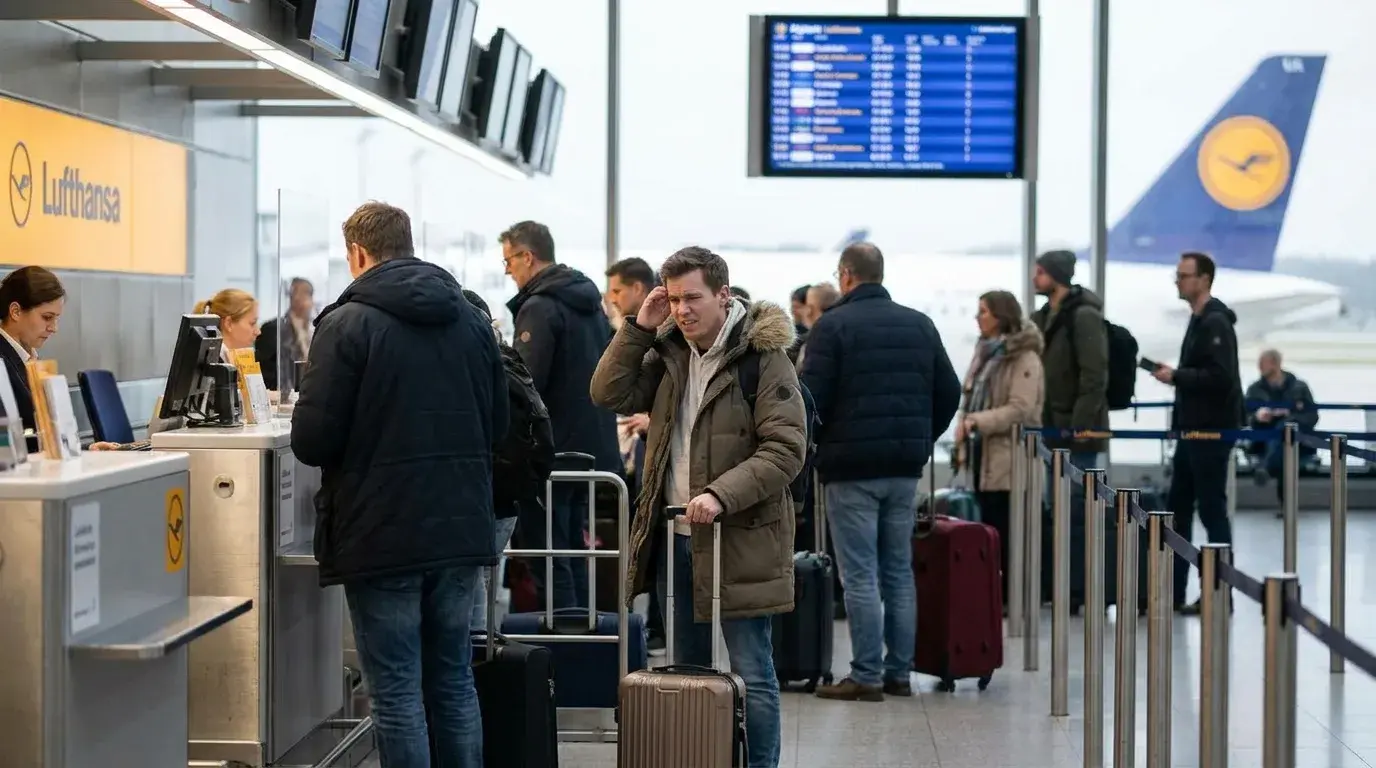
Lufthansa Group is overhauling its pricing model for short and medium-haul European flights. Starting in the coming months, the German group will introduce a new entry-level fare that no longer includes standard carry-on baggage. The change applies to Lufthansa, Swiss, Austrian Airlines, Brussels Airlines, and Eurowings, with a clear logic: a personal item remains included, but carry-on luggage stored in overhead bins will now incur an additional fee.
The decision comes as the European Parliament pushes in the opposite direction, advocating for free carry-on baggage for all passengers. The political timeline and the airlines’ commercial strategies are thus diverging. On the commercial front, Lufthansa Group is moving toward a more fragmented pricing model, with a lower base fare but more paid options around the journey.
For travelers, the impact is immediate. The advertised price at the time of booking may remain competitive, but the final cost will depend more on actual service usage. Passengers traveling with only a small bag under the seat will retain an entry-level fare. Those wishing to board with carry-on luggage will need to add an option. This shift brings the group closer to the practices already common among several low-cost carriers.
A new basic fare for European routes
The new entry-level fare, called Economy Basic, will include only a small personal item, such as a compact backpack or a laptop bag. The standard carry-on luggage, the kind that fits in overhead bins, will become a paid add-on. The announced supplement starts at around €15, depending on the market and fare conditions.
This change extends beyond carry-on baggage. Checked baggage remains available but as a separate paid option. The group is thus adopting a clearer service segmentation strategy, promising transparency for passengers traveling light but a more detailed bill for others. In its communications, Lufthansa Group presents this evolution as a way to offer a more flexible fare structure.
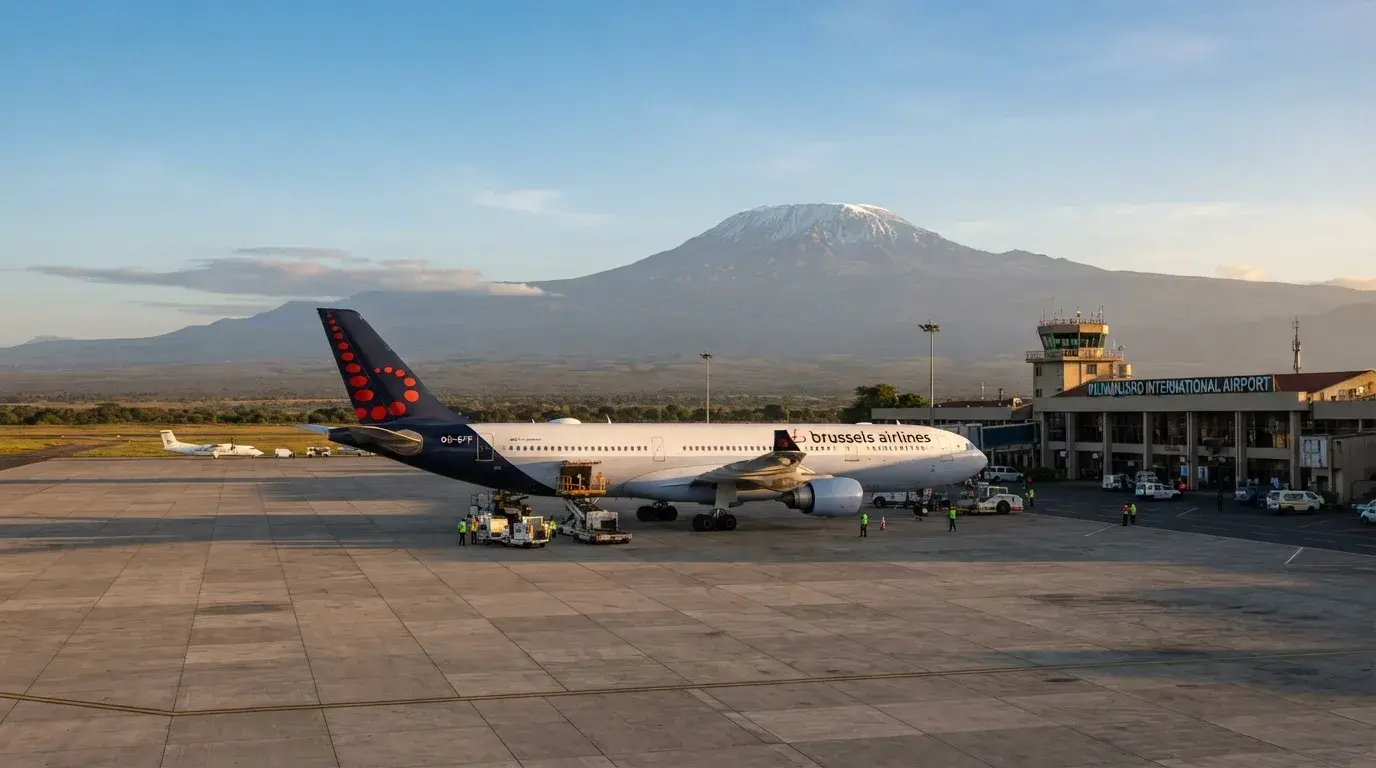
Brussels Airlines, a Lufthansa Group subsidiary, summarizes the idea by highlighting an attractive base fare for day-trippers or ultra-light travelers. In practice, this new pricing architecture marks another step in the separation between the cost of transport and that of associated services. For customers, this may make initial price comparisons easier but could also make the total cost harder to anticipate if the trip involves multiple paid options.
A decision at odds with the European debate
The European Parliament has adopted a position advocating for free carry-on baggage for all passengers, including on low-cost airlines. MEPs aim to harmonize rules and limit additional fees deemed unclear. Under this approach, a reasonable carry-on bag should be included in the ticket price, alongside passenger transport.
Lufthansa Group is taking a different path, at least for now. The group is not merely anticipating a potential regulatory change; it is already structuring its fares around an included personal item and a paid carry-on option. This strategy aligns with a broader trend in the European market, where traditional carriers have multiplied fare tiers in recent years to better segment demand.
On the regulatory front, it is important to note that the European Parliament’s position is not yet legally binding. It must first be transformed into a binding text and then negotiated with EU member states. Until then, airlines retain commercial leeway. Lufthansa Group is using this margin to advance a more modular model that clearly moves away from the all-inclusive ticket logic.
What this means for passengers
For frequent flyers of the German group, the main change lies in trip preparation. The fare choice must be made earlier, based on luggage needs. A short getaway with carry-on luggage could end up costing more than expected if the passenger does not check exactly what is included in the ticket. Conversely, a very short trip with only a small bag under the seat may remain competitively priced.
This evolution addresses a topic highly searched by internet users, as questions about free carry-on baggage, hand luggage, and hidden airline fees are recurring concerns among European travelers. From an SEO perspective, the subject ticks several boxes: it involves a well-known brand, a concrete travel rule, a European regulatory news item, and a highly visible expense for consumers.
The German group is also seeking to align with a market where expectations have shifted. Many travelers now accept paying only for what they use. However, this logic has a limit: when a service becomes systematically paid, the base fare loses some of its practical value. This is precisely the debate surrounding carry-on luggage on European flights.
A finer revenue strategy for Lufthansa Group
Economically, the decision meets a clear objective: better monetizing services that were previously included almost automatically. For a large group like Lufthansa, the sale of ancillary services represents a significant profitability lever. Paid carry-on luggage fits into this logic, alongside seat selection or fare flexibility options.
The group maintains an image as a traditional carrier, but its intra-European offering is gradually converging with low-cost standards. This shift is not new, but it is reaching a symbolic milestone here. The free carry-on baggage policy, long considered a given on network carriers, is no longer the default rule in the new entry-level fare.
For passengers, the new reflex will be simple: read the fare details carefully before purchasing, especially on short-haul trips where each option can significantly alter the final price. For Lufthansa Group, the promise is one of greater transparency. For travelers, the assessment will be more nuanced, as fare transparency will depend largely on the clarity of the conditions displayed at the time of booking.
This new pricing structure will be closely monitored in the coming months, both by travelers and European air transport stakeholders. If it becomes widespread, it could accelerate an already underway shift: the move toward airline tickets where transport, baggage, and onboard services are no longer sold together but separately.
Be the first to comment on this article