China Southern Airlines bets on Boeing 777 cargo: a masterstroke to dominate global air freight
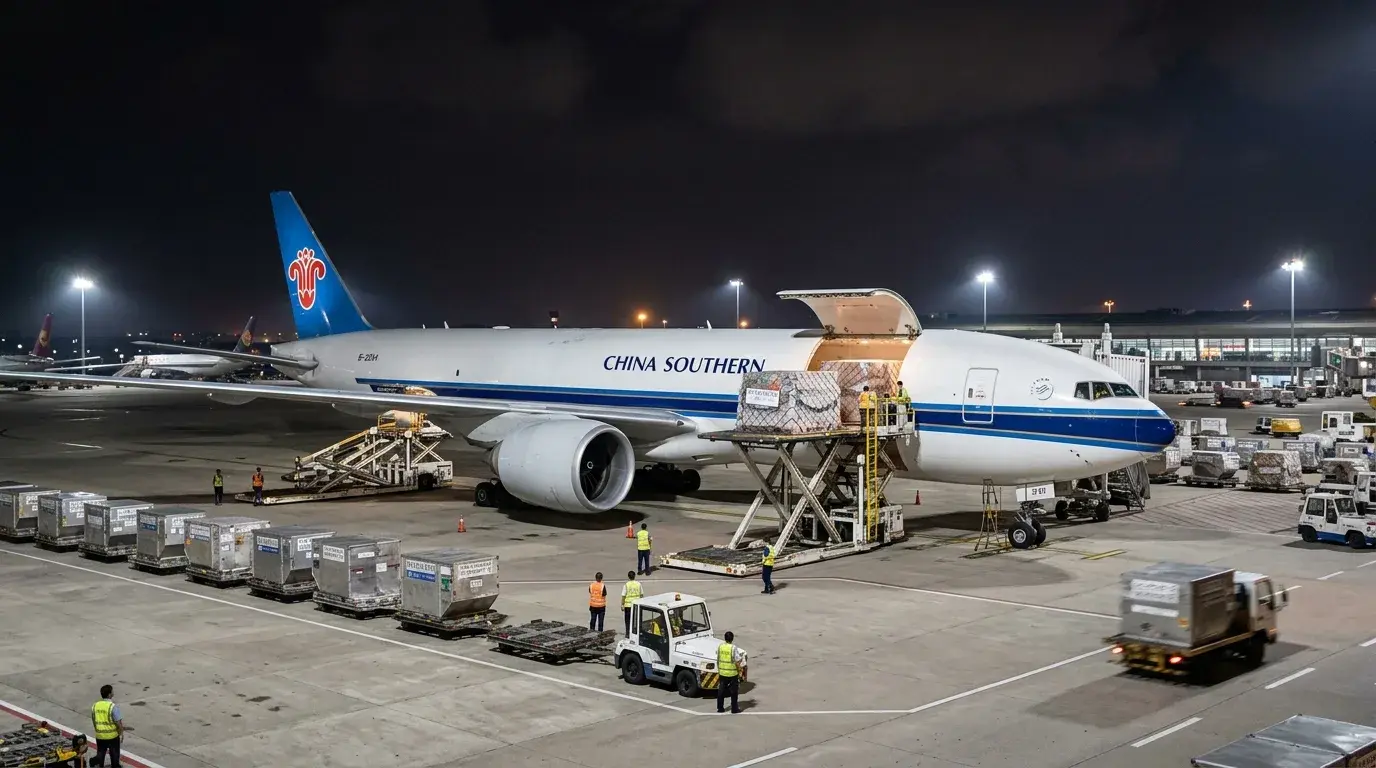
With a $3.6 billion order for seven Boeing 777 cargo aircraft, China Southern Airlines is set to revolutionize the air freight market. This bold strategy places China at the heart of the long-haul cargo competition between Boeing and Airbus. Here’s why this decision could reshape travel and business for good.
China Southern Air Logistics, the airline’s cargo subsidiary, has finalized the acquisition of two 777F and five 777‑8F jets, with options for three additional aircraft. The order underscores China’s ambition to become a dominant force in air freight, particularly on intercontinental routes. Beyond the numbers, experts are focusing on the environmental performance and enhanced capacity of these aircraft.
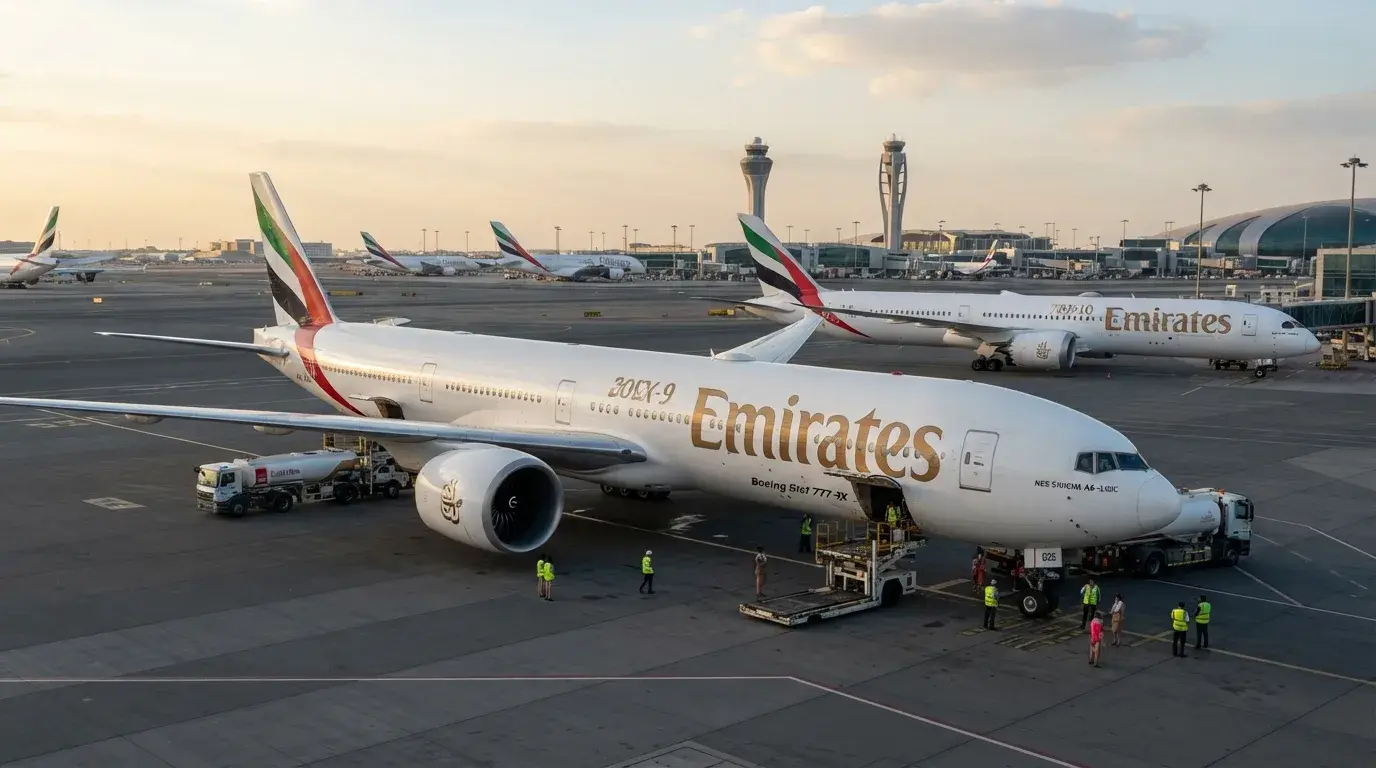
The 777‑8F, the latest cargo variant in the 777X family, boasts a range exceeding 8,000 kilometers with a payload of 100 tonnes, while cutting fuel consumption by 20% compared to current models. A major advantage in an era where airlines seek to balance operational efficiency and carbon footprint reduction.
Boeing fights back in China as Airbus lurks
This order is a significant win for Boeing, which has long dominated China’s cargo market with its 777F. However, Airbus is tightening its grip with its A350F. China Southern had already placed an order for six to ten A350F jets in 2026, marking a major breakthrough for the European manufacturer. An industrial battle that will redraw logistics flows between Asia, Europe, and the Americas.
For European and French businesses, this shift opens unprecedented opportunities. China Southern’s 777 cargo fleet will enable faster and more cost-effective transport of goods between China and Europe—a strategic advantage for local industries. Yet this growing reliance on Chinese carriers also raises questions about Europe’s logistical sovereignty.
Deliveries are scheduled between 2027 and 2034, aligning with the post‑Covid commercial route expansion. The 777‑8F and 777F will gradually replace older 747 cargo aircraft, offering superior capacity and energy efficiency.
A freight market in flux
The air freight sector is undergoing a pivotal transformation. Demand for e-commerce and high-tech products is surging, while geopolitical tensions push companies to diversify supply chains. In this context, Chinese carriers—with their modern fleets and cost advantages—are becoming preferred partners for European exporters.
For travelers, the ripple effects could be substantial. First, a potential reduction in logistics costs for goods, which may lower prices for imported products. Second, improved connectivity between China and Europe, with more frequent and faster cargo links.
Yet China’s dominance in air freight isn’t without risks. Over-reliance on a single player could weaken the resilience of European supply chains, especially during crises. Governments and businesses will need to strike a balance between cooperation and strategic autonomy.
Impact on French and European airports
French airports like Roissy‑Charles de Gaulle or Marseille‑Provence could benefit from this trend. Cargo links between China and France are expected to multiply, with direct flights or technical stops. A boon for hubs betting on freight as a growth driver.
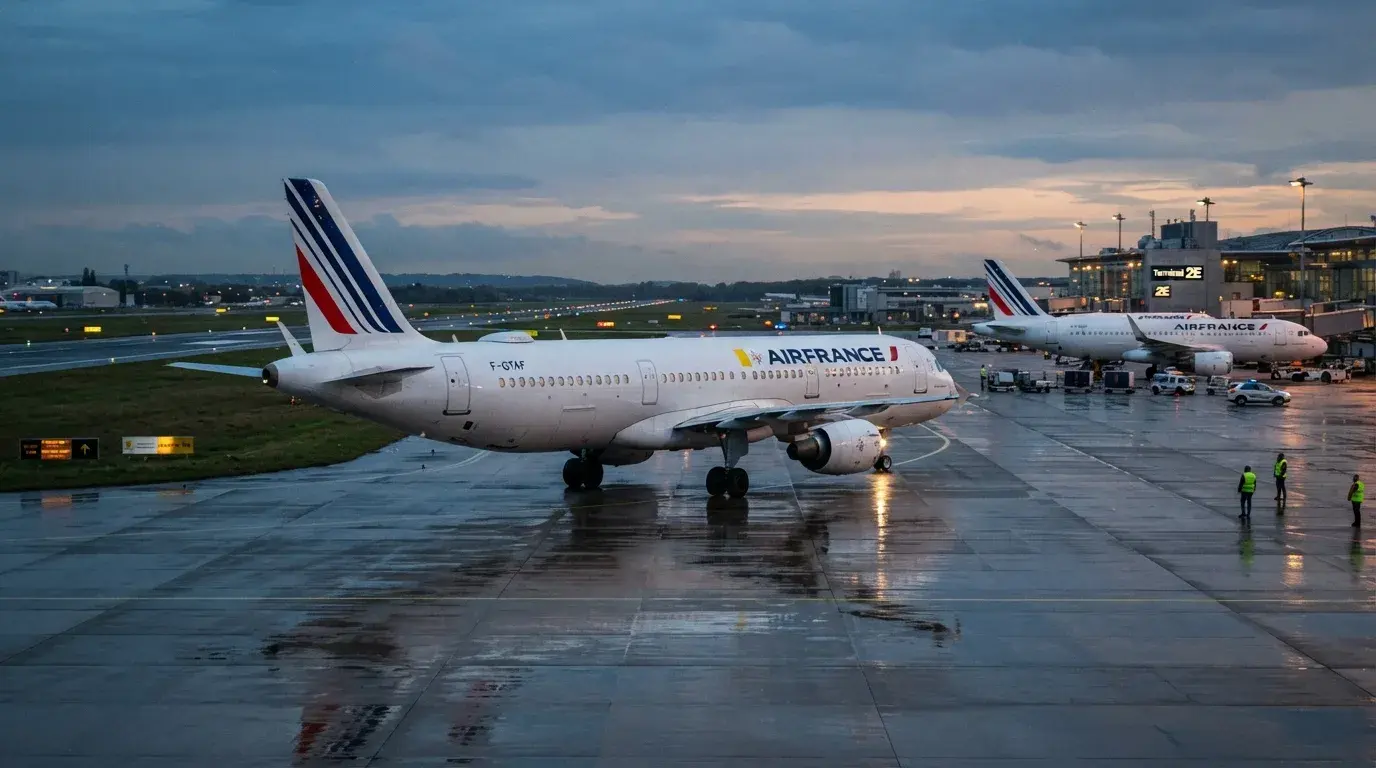
However, intensified competition may squeeze margins for European carriers, already strained by rising energy and regulatory costs. Airports will need to innovate, developing tailored infrastructure and competitive logistics services to attract new flows.
China Southern’s order marks a turning point in global air freight history. A decision that will redraw commercial routes, influence import prices, and ultimately impact the daily lives of travelers and businesses. The fallout could be far greater than anticipated—stay tuned.
Why this order is a geostrategic gamble
This acquisition isn’t just about hardware—it’s about securing China’s position in a critical sector of the global economy: air freight. Mastery of logistics flows equates to economic leverage.
China Southern’s 777 cargo fleet will allow China to capture a growing share of trade between Asia, Europe, and the Americas, challenging traditional carriers like Lufthansa Cargo or Air France‑KLM Martinair. A shift that could ultimately disrupt the sector’s current balance.
For travelers, this freight transformation could mean better product availability, faster delivery times, and potentially lower costs for certain consumer goods. But it may also limit carrier options for SMEs, increasingly dependent on these routes.
As the world moves toward an ever-more interconnected economy, decisions like China Southern’s underscore that air freight isn’t just a technical or commercial issue—it’s a power lever shaping tomorrow’s geopolitical and economic landscapes.
One thing is certain: with this order, China is asserting itself as a central player in global air freight—and it won’t relinquish that position anytime soon.
For European travelers and businesses, the challenge now is to strike a balance between the opportunities this new reality offers and the risks of over-dependence on China.
Be the first to comment on this article