Air France threatens to cut Asian network due to sustainable fuel costs
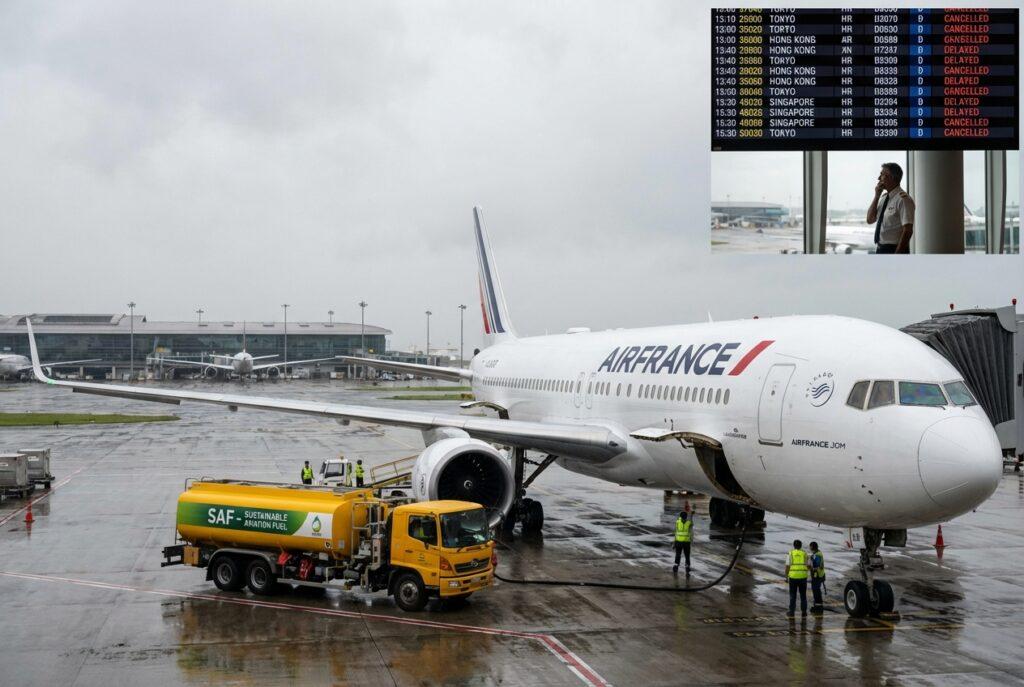
The company Air France alerts European authorities to the potentially disastrous consequences of the regulation RefuelEU Aviation. The latter imposes a growing share of sustainable aviation fuels (SAF) in the fuel tanks of aircraft departing from the European Union. The high cost of these alternative fuels, around three times higher than conventional kerosene, could make certain long-haul routes unprofitable, particularly to Asia.
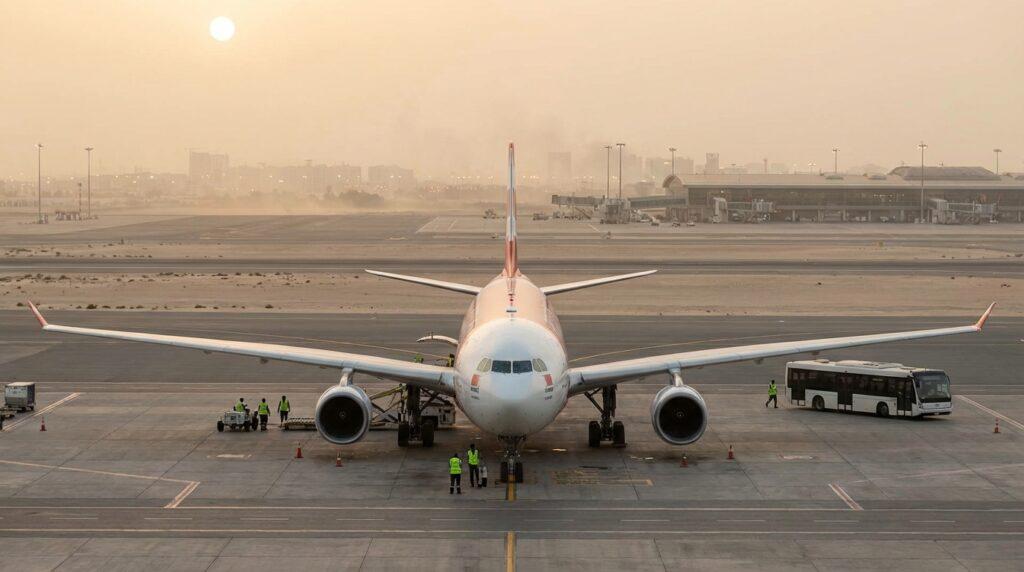
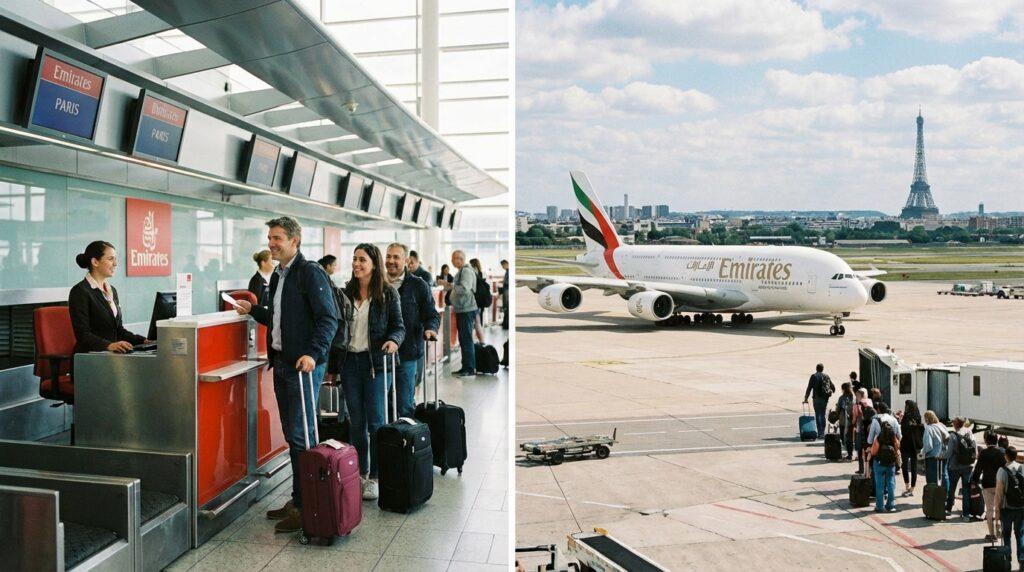
Benjamin Smith, CEO of Air France-KLM, has expressed his concerns, pointing out that the group may have to cut back its Asian network. up to 45% by 2030 if no corrective measures are taken. Strategic routes such as Paris-Peking or Amsterdam-Shanghai are directly threatened. This situation risks diverting passengers to hubs outside the EU, such as Doha, Dubai or Istanbul, where local airlines are not subject to the same SAF obligations on the part of their route outside Europe.
A call for an FAS compensation mechanism
The Franco-Dutch company is asking Brussels to introduce a compensation mechanism for sustainable fuels. The idea, supported by the Airlines for Europe (A4E), would be to create a system similar to the Carbon Adjustment Mechanism at borders (MACF). This system would require non-European airlines to contribute to the cost of FAS when selling tickets from the EU. The contribution would be based on the passenger's final destination, This includes flights via hubs outside the European Union.
«We're not asking for protections or subsidies, just for the same rules to apply to everyone,» insisted Benjamin Smith. The aim is to achieve «competitive neutrality on the SAF».
Risk of loss of competitiveness for European airlines
European airlines fear a double whammy: not only a loss of market share to competitors from the Gulf and Turkey, but also increased climate inefficiency. Indeed, if passengers are forced to take longer routes via intermediate hubs, this may generate more global emissions, This is at a time when European companies are bearing the costs of the energy transition.
Industry studies predict a decline in Europe's share of world traffic, from 26% to less than 20% within the next twenty years.
European companies are warning that the accumulation of taxes, fees and environmental obligations, with no corrective mechanisms, is threatening to «competitiveness and air sovereignty» of the continent. In 2025, the French (FNAM) and German (BDL) aviation federations had already denounced «distortions of competition» caused by European rules on sustainable fuels, deeming European long-haul carriers to be more penalized than their Turkish or Gulf rivals.
The debate between climate and competitiveness
The European Commission defends the RefuelEU Aviation regulation as an essential lever for the decarbonizing the airline industry, by creating a minimum demand signal to stimulate SAF production. However, the debate remains heated between those who advocate a rapid tightening of climate policy and those who fear seeing European airlines lose routes, jobs and influence to competing hubs with better regulatory credentials. Air France-KLM and A4E continue to advocate a correction mechanism, believing it to be crucial to reconciling the energy transition with maintaining Europe's competitiveness on the global aviation scene.
Be the first to comment on this article
On the same topicair france
- Middle East flights resume: airlines navigate uncertainty
- Air France strengthens its Paris-New York airlift with 11 daily flights
- Air France steps up prevention of sexist and sexual violence in the wake of the MeToo revelations
- The challenges of air punctuality: analysis of delays and cancellations in 2025
- Air France relaunch Paris-Saint-Domingue: what French and international travellers need to know
- Air France revolutionizes the skies with the introduction of ultra-fast WiFi on board its aircraft thanks to Starlink