Istanbul Airport shatters European and global air traffic records: A game-changer for travelers
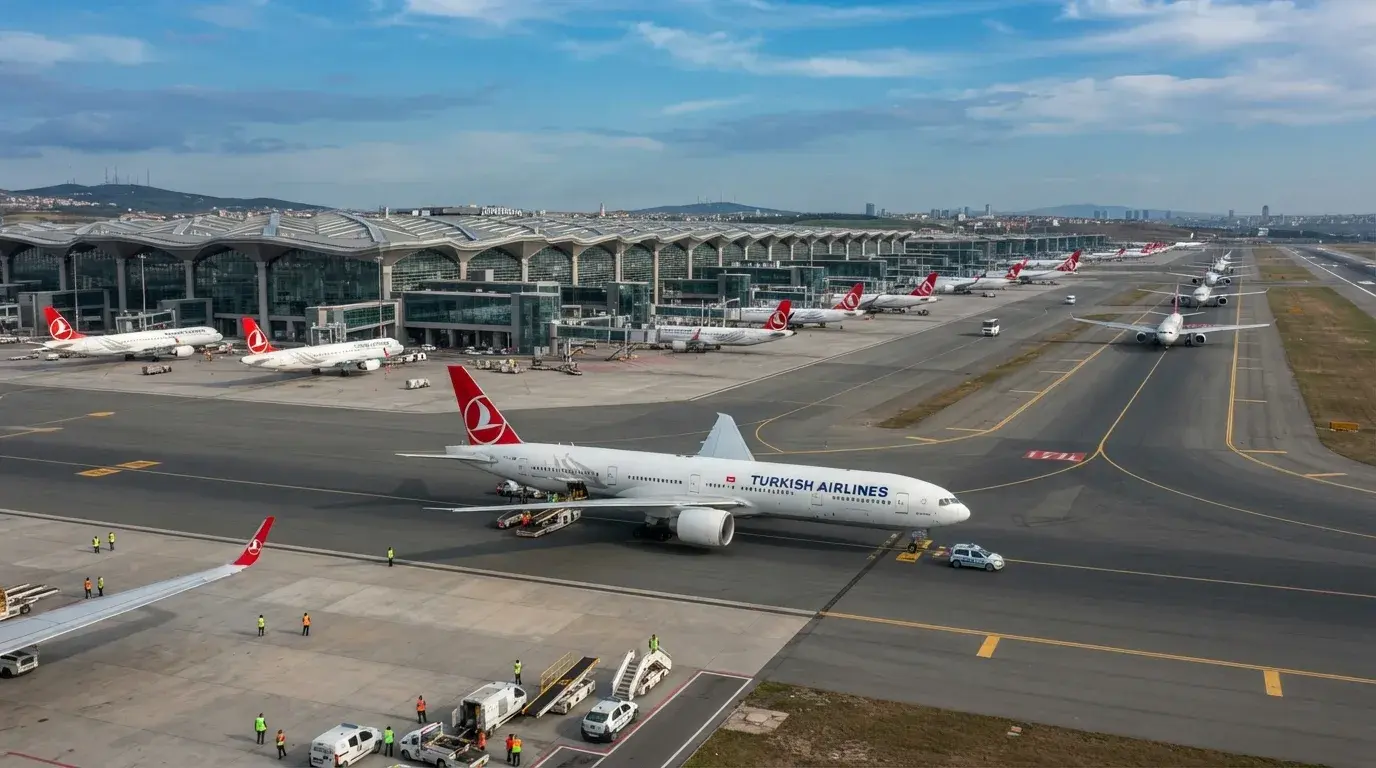
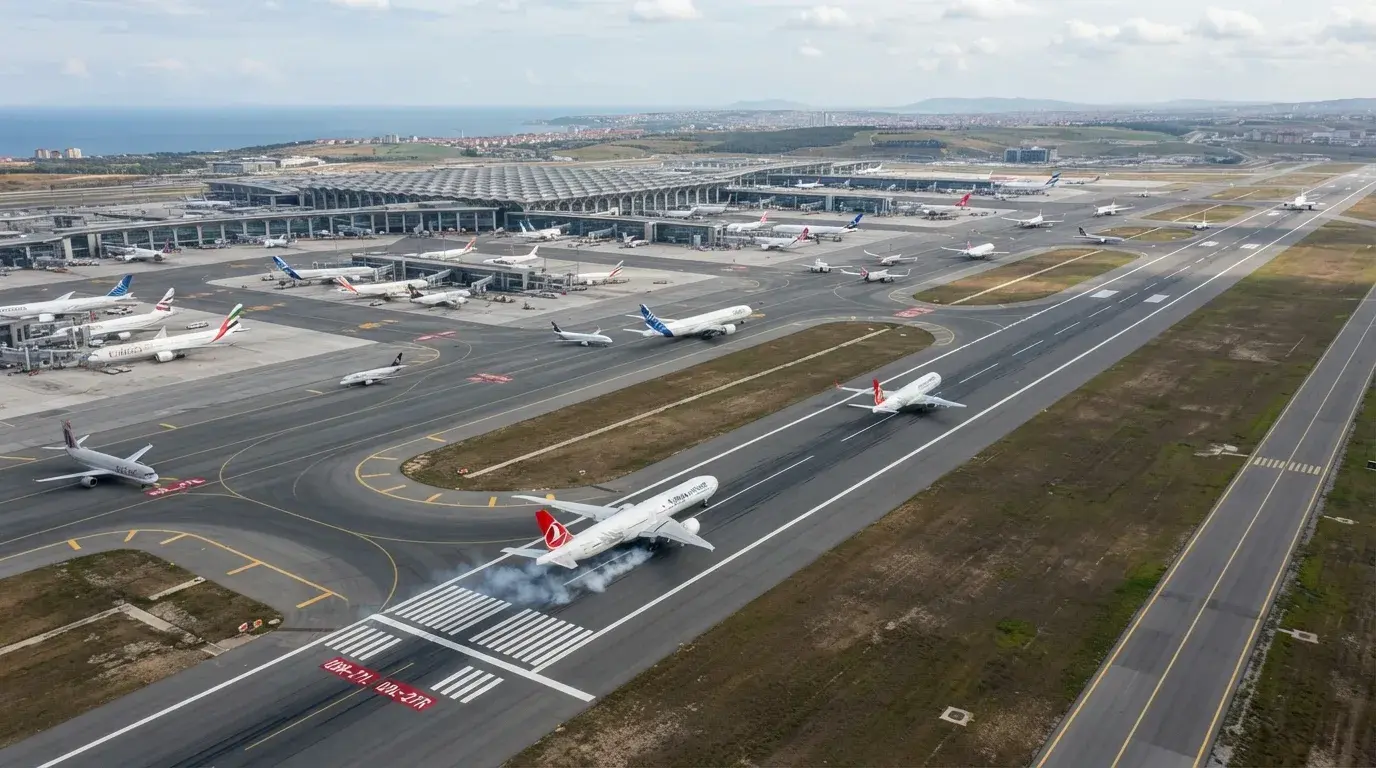
In August 2026, Istanbul Airport made aviation history. On Sunday, August 16, it shattered all European and Turkish records by handling 290,287 passengers and 1,739 commercial movements in a single day. These figures, confirmed by Turkey’s Minister of Transport Abdulkadir Uraloğlu, position IST as the first airport on the continent to surpass this milestone, ahead of hubs like London-Heathrow or Paris-Charles de Gaulle.
This double record is no seasonal fluke. It reflects a long-term trend transforming Turkey into a new global aviation crossroads. With a current annual capacity of 90 million passengers and ambitions to reach 200 million, Istanbul Airport is solidifying its role as an intercontinental hub connecting Europe, the Middle East, Africa, Central Asia, and North America. For travelers, this means smoother connections, potentially better fares due to high traffic volumes, and improved access to previously underserved destinations.
EUROCONTROL data reinforces this analysis. During Week 33 of 2026, Europe’s air network averaged 36,174 daily flights, a 3% increase from 2025. Among airports setting records, Istanbul stood out alongside Sabiha Gökçen (180,914 passengers and 958 flights on the same day) and Dublin. This operational pressure has also improved punctuality: 74.2% of flights departed on time during the period, with average delays reduced to just 3.1 minutes per flight.
For airlines, this unprecedented capacity enables more frequent services between Europe and Asia, Africa, or the Americas. Turkish Airlines, the airport’s main operator, has expanded its network to include destinations like Madrid, Manchester, and Munich. For passengers, this translates into more booking options, potentially competitive fares due to increased competition, and better connection coverage.
A hub built for growth and efficiency
Inaugurated in April 2019, Istanbul Airport was designed to absorb operations from the former Atatürk Airport and support Turkish Airlines’ expansion. Its strategic location in northwest Istanbul allows it to capture transfer flows between four continents. With over 330 destinations served by 116 airlines, the airport offers a highly favorable connection bank, a major asset for transit passengers.
The airport handled approximately 84.4 million passengers in 2025, ranking second in Europe behind London-Heathrow. Its 2026 target? Reaching 90 million travelers—a goal now within reach thanks to these daily records. In its current configuration, Istanbul Airport can theoretically accommodate up to 90 million passengers annually; long-term plans aim to double this capacity.
This modern infrastructure, equipped with the latest air traffic management technologies, reduces connection times and minimizes delays. For time-sensitive travelers, this means precious saved minutes, especially on transcontinental routes where every second counts.
Sabiha Gökçen: Istanbul’s other aviation giant breaks records
While Istanbul Airport dominates international traffic and connections, its counterpart Sabiha Gökçen (SAW) plays a crucial role. Located on Istanbul’s Asian side, the airport processed 180,914 passengers and 958 flights on August 16, 2026, setting its own daily record. For the first time, Sabiha Gökçen surpassed 180,000 passengers in a single day.
Unlike Istanbul Airport, which operates as an intercontinental hub with Turkish Airlines, Sabiha Gökçen focuses more on point-to-point traffic, both domestic and international. It serves as a base for airlines like Pegasus Airlines, with less reliance on long-haul connections. Yet its parallel growth highlights the sheer scale of air travel demand in the Istanbul metropolitan area, now one of Europe’s largest airport markets.
This duality between the two airports allows Turkey to meet all traveler needs: direct flights to tourist or business destinations, as well as optimized connections for transit passengers. For tourists, this means easier access to cities like Izmir, Antalya, or Cappadocia, while business travelers benefit from expanded coverage across Europe and Asia.
What these records mean for your next trip
For European travelers, Istanbul Airport’s rise presents several tangible opportunities. First, an increase in flight frequencies to Asian, African, or Middle Eastern destinations. Airlines like Turkish Airlines and Pegasus Airlines now offer more flights spread throughout the day, making trip planning easier.
Second, improved fare accessibility. With booming traffic, airlines can adjust pricing based on demand, sometimes offering promotions on less popular routes. Savvy travelers can snag attractive fares for trips to Turkey or destinations like Dubai, Bangkok, or Cairo.
Finally, an optimized travel experience. Connection times at Istanbul Airport are among the shortest in Europe, thanks to a streamlined logistics system and modern infrastructure. For transit passengers, this means less stress, comfortable waiting areas, and clear signage to quickly reach connecting flights.
For those planning a trip to Turkey, these records confirm the country as a must-visit destination—not just for its culture and landscapes, but also as a strategic aviation gateway. Whether for a long weekend in Istanbul, an adventure in Cappadocia, or a tour of Anatolia, Istanbul Airport offers a practical and efficient entry point.
With this rapid growth, Turkey is cementing its status as a major player in global aviation. For travelers, it means more options, greater flexibility, and often better prices to destinations that were once harder to reach.
How to make the most of this new reality
To capitalize on Istanbul’s hub advantages, keep an eye on promotions from Turkish carriers like Turkish Airlines or Pegasus Airlines. These airlines frequently offer discounted fares on routes from Europe, especially to Turkey and Asia.
It’s also wise to plan connections with minimal layover time. Thanks to the hub’s efficiency, passengers can take a short break in Istanbul to explore the city before continuing their journey. Airport authorities even offer express guided tours for transit passengers—a unique chance to experience Turkish culture in just a few hours.
For adventure seekers, Istanbul and its surroundings offer diverse destinations within a few hours’ flight: from the beaches of the Aegean to the mountains of Anatolia, and historic sites like Ephesus or Troy. With an airport in full expansion, the possibilities for discovery grow every day.
Be the first to comment on this article