Spain Breaks All Records in 2026: Why the Country is a Top Draw and How to Make the Most of Your Trips
With tourism-driven economic growth, Spain is setting record figures in 2026, solidifying its status as Europe’s top destination. According to the latest data published by Exceltur, the sector recorded an 8.2% increase in foreign tourist spending in Q2 2026, while Spaniards spent 8.3% more domestically. This performance places tourism at the heart of the national economy, now accounting for 12.9% of GDP, up from 12.7% in 2025.
This exceptional momentum is partly explained by Spain’s perception as a safe and stable destination, while other global regions face geopolitical tensions. The country is benefiting from redirected tourist flows from less stable areas, while capitalizing on its welcoming image and rich diversity. Beyond the numbers, what stands out is Spain’s ability to turn this influx into tangible opportunities for travelers.
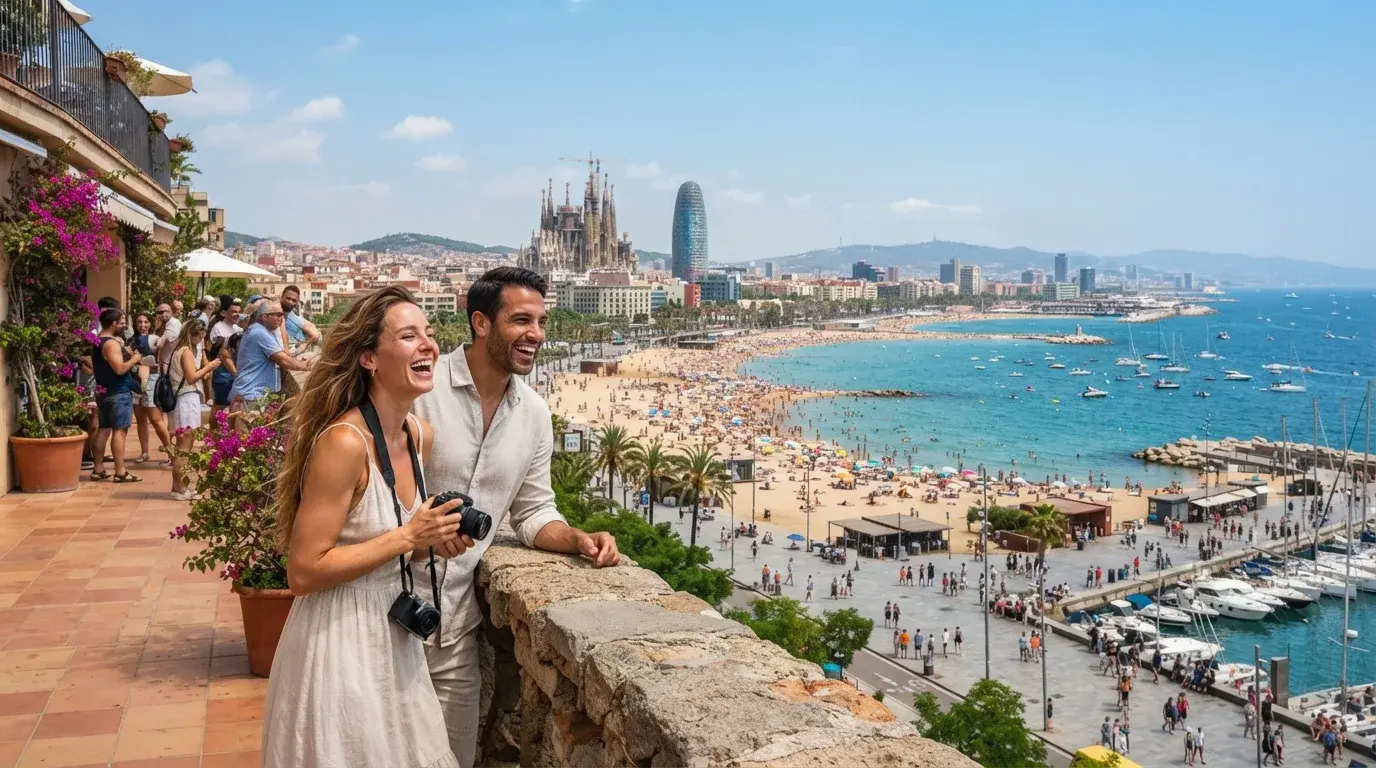
From the sunny shores of Costa Brava to the lively beaches of Costa del Sol, cultural hubs like Seville or Granada, and the pristine landscapes of España Verde, Spain offers a far broader tourism portfolio than just a beach destination. This diversification, combined with upgraded infrastructure, is making the country increasingly attractive to discerning travelers. How can you make the most of it without breaking the bank? What are the best tips for planning a trip to Spain in 2026? Here’s what you need to know.
A Growth Driven by Diverse Demand and Upscale Offerings
Spain is no longer just attracting sun-seekers and beachgoers. High-end establishments, rated 4 and 5 stars, saw a 3.6% increase in overnight stays in the first half of 2026—a clear sign that the country is now appealing to travelers seeking premium experiences. This trend is part of a broader upscaling strategy, where inland regions like Galicia or Asturias are gaining popularity over traditional destinations in the Balearic Islands or the Canary Islands.
Tour operators have taken note. Players like Selectour are focusing on itineraries combining cultural discovery and beach relaxation, with pre-defined packages to simplify planning. La Balaguère, a specialist in guided hikes, offers getaways in the Spanish Pyrenees or Asturias, targeting travelers seeking authenticity and unspoiled landscapes. Meanwhile, platforms like WeRoad are riding the wave of small-group travel, with itineraries blending iconic cities and local experiences—ideal for young travelers.
This diversification of offerings allows Spain to reach a much broader audience than before. Cultural tours, sports retreats, and even gastronomic escapes are gaining traction, transforming the country into a year-round destination. With growth forecasts of 3.2% for summer 2026, opportunities abound for travelers.
Record Figures and Optimistic Forecasts
Exceltur’s data leaves no doubt: Spain is expected to welcome over 43 million international tourists between June and September 2026, a 6% increase from 2025. Total spending could reach €64 billion, up 10%. Already, in the first five months of the year, the country hosted 36.8 million foreign visitors (+5%), with spending up 7.8%. If this trend holds, Spain could surpass the symbolic 100 million international tourists mark in 2026—a new all-time high.
This performance comes with strong resilience against geopolitical challenges. Despite tensions in the Middle East and rising energy costs, the country remains perceived as a safe destination, making it a top choice for Europeans. The Bank of Greece, in a recent study, even ranks Spain as the preferred destination for travelers from the continent for summer and autumn 2026, ahead of Italy and Croatia.
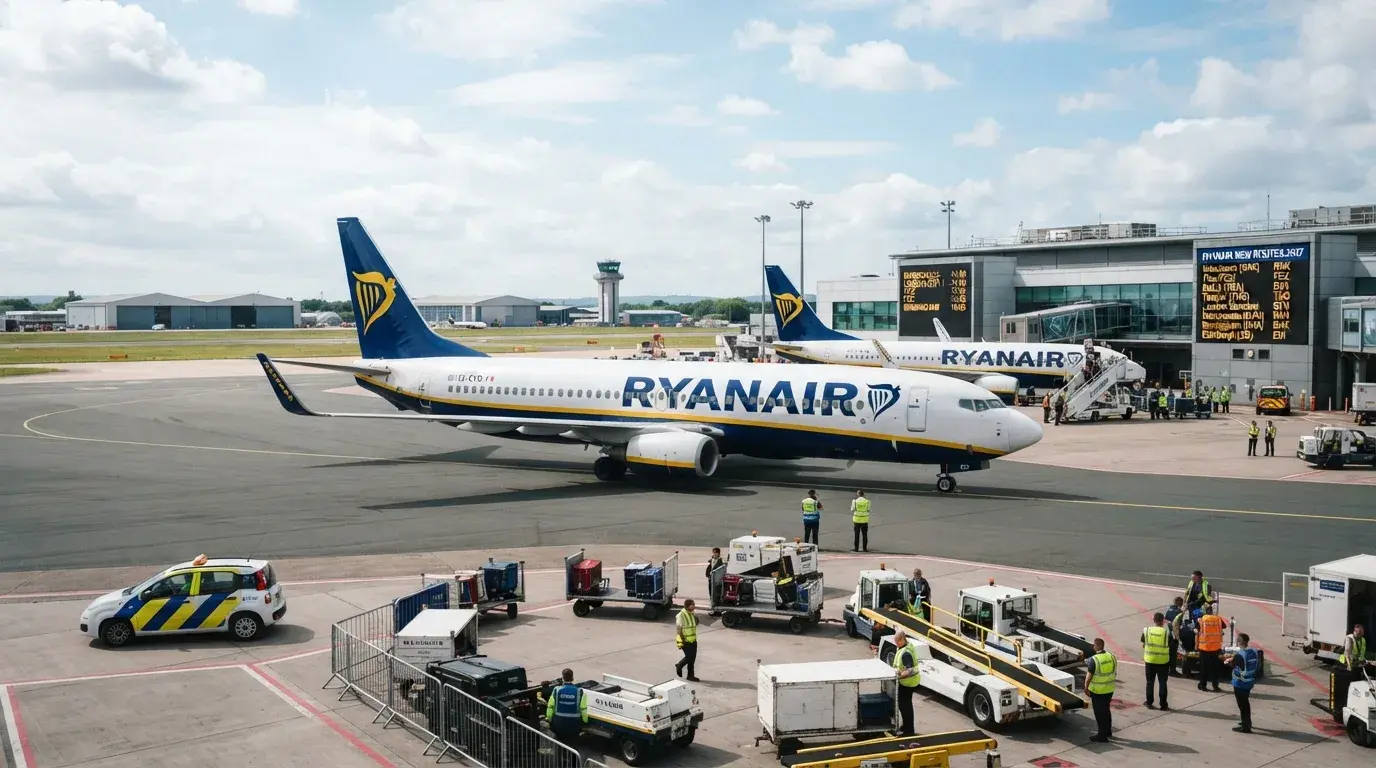
For travelers, this means an ever-expanding range of options and competitive pricing, despite rising demand. Airlines, aware of this trend, are ramping up routes to Spain. Wizz Air recently launched bases in Madrid and Valencia, while carriers like Volaris and Cebu Pacific are strengthening their ties with the country. A boon for those looking to optimize routes and budgets.
How to Capitalize on This Trend for Your Spain Trips
With this growth, travelers would be wise to book early. Flights to major cities like Barcelona, Madrid, or Seville are in high demand, especially during peak season. Low-cost carriers like Volaris or Wizz Air offer attractive fares, but seats fill up quickly. It’s best to book weeks in advance to avoid disappointment.
For accommodations, the upscaling trend benefits luxury establishments, but options remain plentiful for tighter budgets. Platforms like Logitravel or Bourse des Voyages offer organized trips at competitive rates, including flights, transfers, and lodging. An ideal solution for those who want to enjoy Spain without the hassle.
For those looking to avoid crowds, inland regions like Galicia, Asturias, or Extremadura offer authentic alternatives. These destinations, less known but equally rich in culture and landscapes, provide a different side of Spain, far from stereotypes. A trend that is expected to strengthen in the coming years as tourism diversifies.
In summary, Spain in 2026 is more than ever an unmissable destination, combining safety, diversity, and accessibility. Whether you’re seeking beaches, culture, or adventure, the country has it all. With optimistic forecasts for the years ahead, now is the perfect time to plan your next trips.
Spain in 2026: A Model to Follow for European Tourism
Spain today embodies a rare tourism success story in Europe. While other destinations grapple with geopolitical tensions or economic crises, the country has repositioned itself as a safe bet, attracting millions of visitors while maintaining robust economic growth. With tourism now accounting for nearly 13% of GDP, Spain proves that the sector can be both an engine for development and a driver of stability.
This success is built on a clear strategy: diversifying offerings, upgrading infrastructure, and promoting an image of a safe and welcoming destination. The results speak for themselves: record growth in tourist spending, stronger appeal among European travelers, and the ability to capture flows that elsewhere might be diverted elsewhere.
For travelers, this translates into tangible opportunities. Whether it’s a cultural weekend in Barcelona, a beach getaway in Andalusia, or a hike in the Pyrenees, Spain offers the flexibility and service quality that make it a destination suited to all profiles. And with airlines like Wizz Air or Volaris expanding routes, getting there is becoming easier and more affordable than ever.
If you’ve been on the fence about choosing Spain for your next trips, 2026 could be the perfect year to take the plunge. Between record visitor numbers, diverse experiences, and accessibility, the country has everything to captivate. And with growth forecasts pointing upward in the coming years, Spain is poised to remain a global tourism powerhouse.
Be the first to comment on this article