Balearic Islands in Autumn: How to Enjoy the Archipelago Without the Crowds and at Lower Cost
The Balearic Islands are no longer reserved for summer vacationers only. With still mild temperatures, unspoiled landscapes, and falling airfares, autumn 2026 promises to be an ideal time to discover Mallorca, Menorca, Ibiza, or Formentera without the pressure of July and August. Airport data confirms this trend: after a peak in August, air traffic in the archipelago remains strong in September, with nearly 4.2 million passengers at Palma de Mallorca Airport, up 2% year-on-year. A boon for travelers looking to combine authenticity, outdoor activities, and Mediterranean mildness.
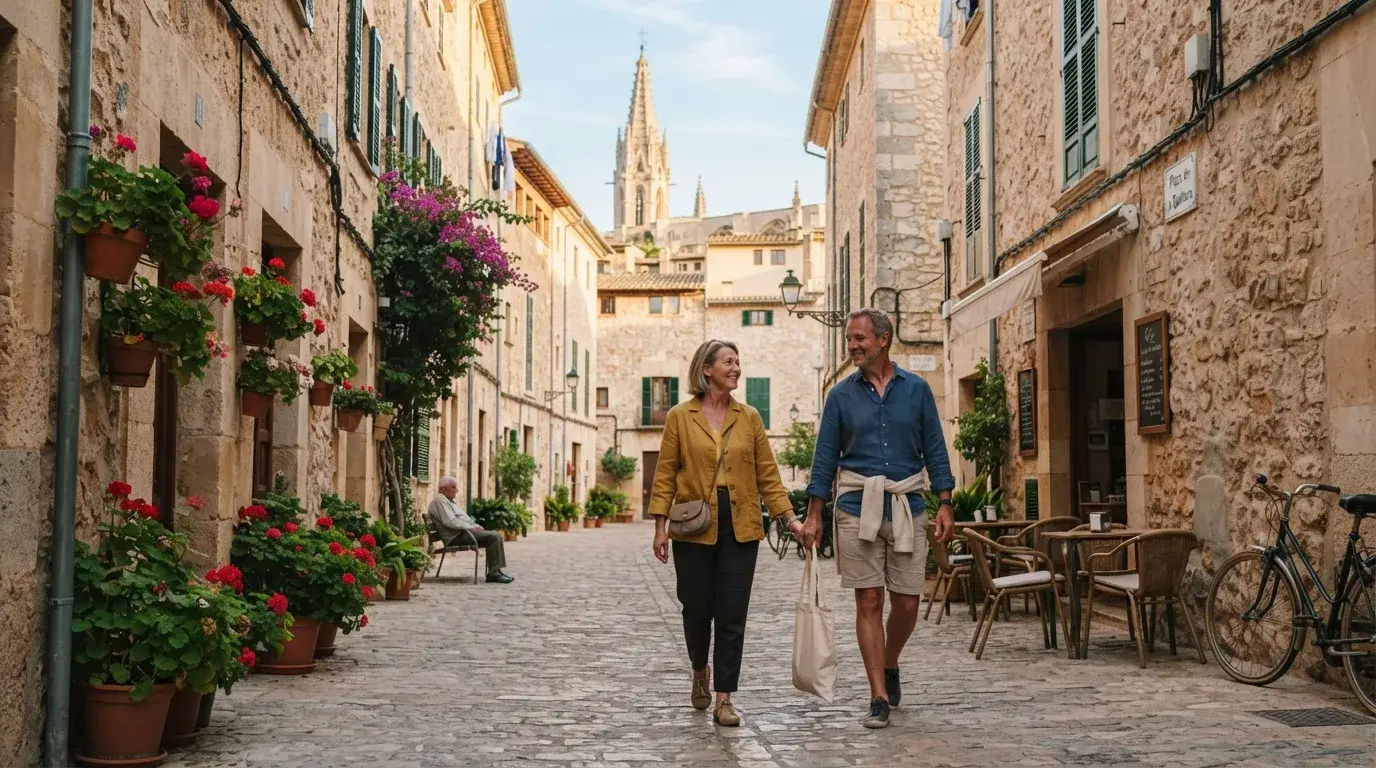
The economic argument is in favor of this overlooked season. Prices for direct flights from France, particularly from Paris, Lyon, or Marseille, can drop by 30 to 50% compared to summer. Airlines like Volotea, which serves Menorca from Montpellier, or Ryanair and Vueling from several European cities, offer attractive fares for extended stays. Accommodations, whether boutique hotels, residences, or seasonal rentals, follow this trend with discounts of up to 40% on summer rates. An opportunity not to be missed to visit iconic sites like Palma Cathedral, Formentera’s wild coves, or the preserved villages of Menorca’s interior without the summer crowds.
A dense air network, even in the off-season
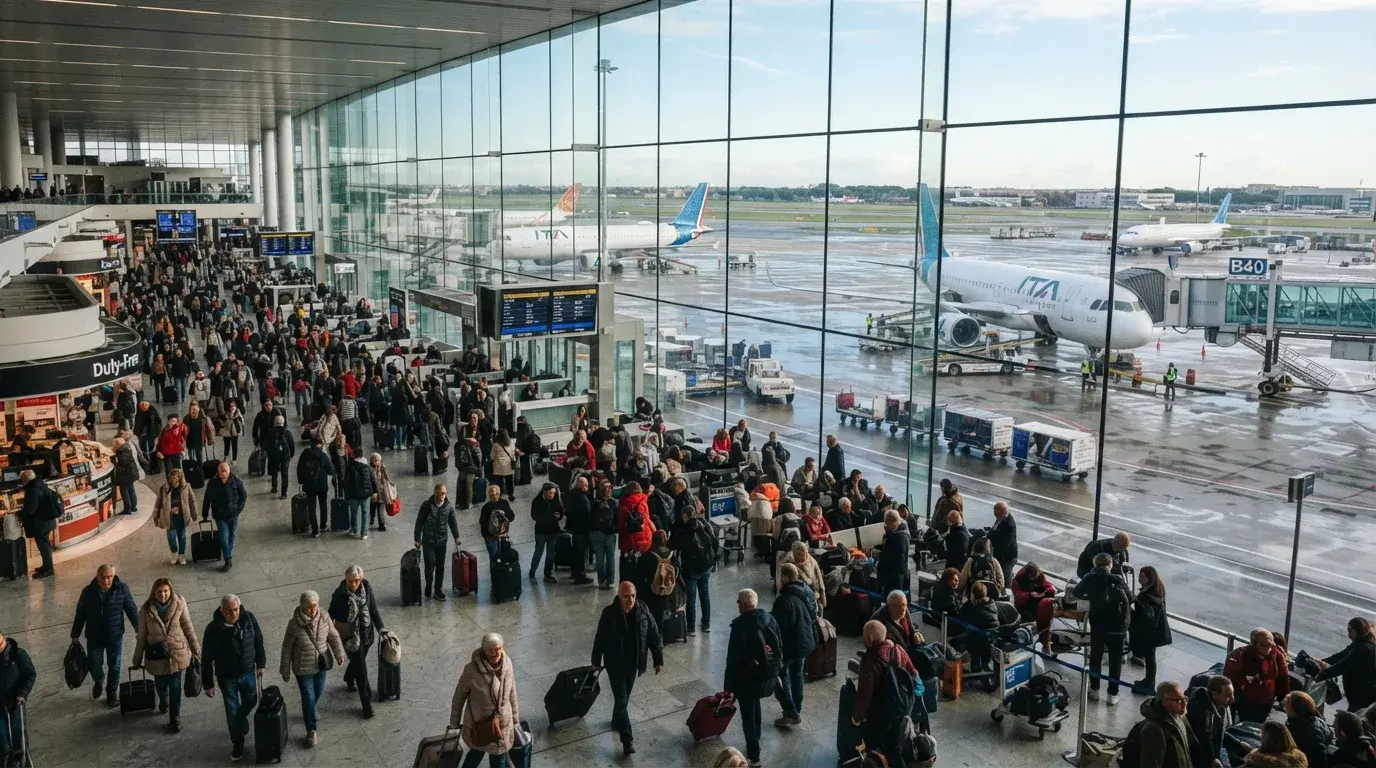
Contrary to popular belief, air links to the Balearic Islands are not limited to the summer period. Airports in Palma de Mallorca, Ibiza, and Menorca remain very active throughout autumn, with frequencies maintained for travelers seeking tranquility. In September 2026, Palma de Mallorca recorded nearly 3.37 million passengers on international routes, a 2.1% increase year-on-year. This accessibility allows for planning getaways of several days or even two weeks without worrying about transport difficulties. Regular airlines like Iberia or TAP Air Portugal offer connections to Lisbon or Madrid, providing options to extend stays in other Spanish regions.
For French travelers, direct flights from Paris-Orly, Lyon-Saint Exupéry, or Marseille-Provence remain the most convenient. Air France, EasyJet, and Volotea operate regular flights, while operators like Fram or Ouigo Train (via Barcelona) offer packages combining transport and accommodation at unbeatable prices. Delays or cancellations, often less frequent in the low season, further enhance the appeal of this period for a serene trip.
Activities for all tastes, away from tourist crowds
Autumn is a perfect season to explore the Balearic Islands from a new angle. Mallorca, for example, is ideal for hiking, with trails like the Ruta de Pedra en Sec, a UNESCO World Heritage site, or routes around the Serra de Tramuntana. Cycling enthusiasts can venture onto less crowded roads, while the fine-sand beaches of Es Trenc or Cala Llombards, less crowded than in summer, offer moments of relaxation. Menorca, a UNESCO Biosphere Reserve, is perfect for horseback riding, exploring caves like Cova d’en Xoroi, or tasting local products in menjadors, these small family-run restaurants.
Ibiza, often associated with a lively nightlife, reveals another side in autumn. The coves of Cala Comte or Cala Salada become havens of peace, while the artisan markets of Santa Gertrudis or Las Dalias offer an immersion in local culture. Formentera, the smallest of the major islands, is easily explored by bike or rental car, with beaches like Ses Illetes or Cala Saona, accessible without summer reservations. The islands’ tourism offices organize cultural and gastronomic events in autumn, such as grape harvest festivals in Ibiza or classical music festivals in Palma, attracting a more local and less touristy audience.
Organized stays to simplify the experience
For those who prefer to delegate the organization of their trip, tour operators offer packages tailored to the off-season. Brands like Bourse des Voyages or TUI sell package deals including flights, accommodation, and sometimes activities at competitive prices. For example, a five-night stay in a 3-star hotel in Palma de Mallorca with breakfast can cost less than €400 per person, round-trip flight included from France. These offers provide a turnkey framework, with the guarantee of not having to deal with logistical uncertainties.
Vacation clubs like Fram or Club Med (for certain packages) also offer all-inclusive stays at reduced prices, with activities adapted to the season. Travelers can enjoy club facilities (pools, spas, restaurants) without the summer crowds, while having access to activities like Mediterranean cooking classes or boat excursions. Local travel agencies, meanwhile, highlight tailor-made tours, such as road trips in rental cars or wine-tasting circuits in Mallorca, with negotiated rates for early bookings.
Managing your budget without sacrificing quality
One of the major advantages of autumn in the Balearic Islands is the ability to make substantial savings without compromising on comfort. Car rental prices, for example, drop by 20 to 30% compared to summer, with rates starting at €25 per day for a compact vehicle. Fuel, which is less taxed in the archipelago than on the mainland, makes travel even more affordable. High-end accommodations, such as fincas (renovated farms) or 5-star hotels with sea views, offer rates of €100 to €150 per night in the low season, compared to €250 or more in July-August.
When it comes to dining, tapas and local dishes like sobrasada (a typical sausage) or tumbet (vegetable gratin) can be enjoyed at reasonable prices, especially in establishments frequented by locals rather than tourists. Local markets, such as Palma’s Mercat de l’Olivar, allow for stocking up on fresh produce at lower costs. For wine lovers, the Binissalem cellars in Mallorca or Vi de Binissalem offer tastings from €10, with discounts for groups. Museums and cultural sites, such as Palma’s Fundació Miró or Castell de Bellver, offer reduced rates in autumn, or even free entry on certain days of the week.
Plan ahead to take advantage of the best deals
To maximize savings, it is advisable to book flights and accommodation as soon as the winter schedules of airlines are published, usually from October. Flight comparison sites like Skyscanner or Google Flights allow you to track price variations and seize good deals. Booking platforms like Booking.com or Airbnb offer flexible options, with free cancellations up to 48 hours before arrival in many cases.
Travelers looking to avoid bridge or school holiday periods can opt for dates in November, often cheaper than September or October. The Balearic Islands enjoy mild Mediterranean weather in autumn, with average daytime temperatures between 20°C and 25°C and pleasant nights. This stable climate, combined with reduced crowds, makes it an ideal time for a stress-free trip. Whether for a romantic getaway, a family stay, or a remote work retreat, the Balearic Islands in autumn offer an authentic, economical, and crowd-free experience.
Exploring a tourism model responsibly
As tourism pressure on the Balearic Islands remains a topic of debate, autumn presents an opportunity to travel in a way that respects local balances. By favoring accommodations with locals, family-run restaurants, and outdoor activities, visitors contribute to a more equitable distribution of economic benefits. The islands’ tourism offices have been promoting sustainable tourism for several years, with initiatives such as limiting cruise ships in Palma or protecting natural areas like Majorca’s s’Albufera natural park.
Travelers can also engage in community tourism projects, such as visiting agroturismos (farm stays) in Menorca, where they discover local production methods while supporting the rural economy. Local associations organize beach clean-ups or workshops to raise awareness about marine ecosystem preservation, offering visitors an enriching experience on both a human and environmental level. By choosing to visit the Balearic Islands in autumn, tourists play a part in a more harmonious dynamic where nature, culture, and the local economy coexist without the excesses of the high season.
Be the first to comment on this article