
Visit Federal Aviation Administration (FAA) has issued a new airworthiness directive for all of its aircraft. Boeing 737 MAX 8 and 737-8200, due to an electrical fault that could result in a fire. overheating of the cabin and cockpit.
A total of 2,119 aircraft are affected worldwide, including 771 registered in the USA, with no fleet immobilization but an urgent review of crew procedures.
Visit airworthiness directive, effective February 24, 2026, requires operators to amend the aircraft flight manual (AFM) within 30 days. These modifications add checklists «not normal» detailing what to do if a specific circuit breaker trips and abnormally high cabin or cockpit temperatures are detected. According to the FAA, the feared event is «a BAT BUS SECT 2 circuit breaker tripped, causing the air conditioning system to malfunction and leading to excessively high and uncontrollable cabin and cockpit temperatures».». The agency points out that «this condition, if uncorrected, can result in injury or incapacitation to crew and passengers, compromising the ability to ensure a safe flight and landing».».
Electrical and ventilation faults
The problem arose on two flights during which the crews were unable, using existing procedures, to control a sudden rise in cabin and cockpit temperatures. The investigation traced the chain of failure back to a circuit breaker in the Standby Power Control Unit, which supplies power to the air conditioning and pressurization functions.
When this circuit-breaker trips, it generates an erroneous ground signal which causes the two circuit-breakers to close. «ram air deflector doors», These dampers direct outside air to the air-conditioning system's heat exchangers. When closed, these dampers limit heat dissipation, and the system can then «provide excessively hot air to the cabin and cockpit».», This was the result of a series of tests carried out by Boeing on the aircraft's engines, up to temperatures that the crew could no longer control. Boeing states that it has identified «a ground wire failure in the air conditioning system».» as the root cause, and points out that previous generations of 737s are not affected.
Boeing supports the measure and is preparing a technical modification
The American manufacturer says «support the FAA's airworthiness directive, which makes the directive issued by Boeing mandatory in January 2026».», and says he is working on «an engineering solution to eliminate the possibility of this electrical fault».». According to the aircraft manufacturer, this modification will be incorporated into the 737 MAX 8 and MAX 9 and «ready for the 737 MAX 7 and MAX 10 before certification».». Boeing says it does not anticipate any further delays in the already highly scrutinized certification schedules for these two variants.
For the time being, the directive does not restrict aircraft operation or the number of cycles, but it does require rapid adaptation of procedures and heightened vigilance on the part of crews in the event of unusual heat on board. Some airlines, including Southwest Airlines, which was involved in one of the events that triggered the alert, remain in close contact with the FAA and Boeing to monitor corrective measures.
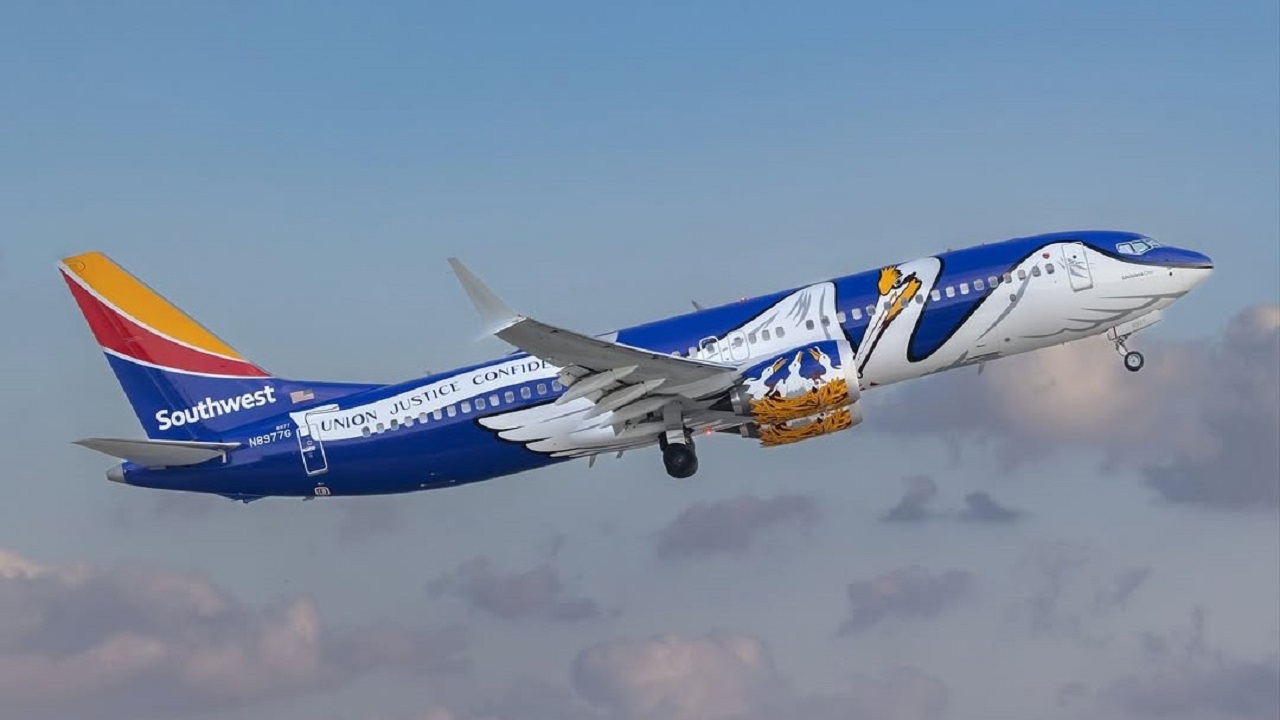
@Southwest Airlines


 English
  French