
Flybondi in Crisis: Argentina’s Low-Cost Airline on the Brink of Bankruptcy and Its Impact on Latin American Travel
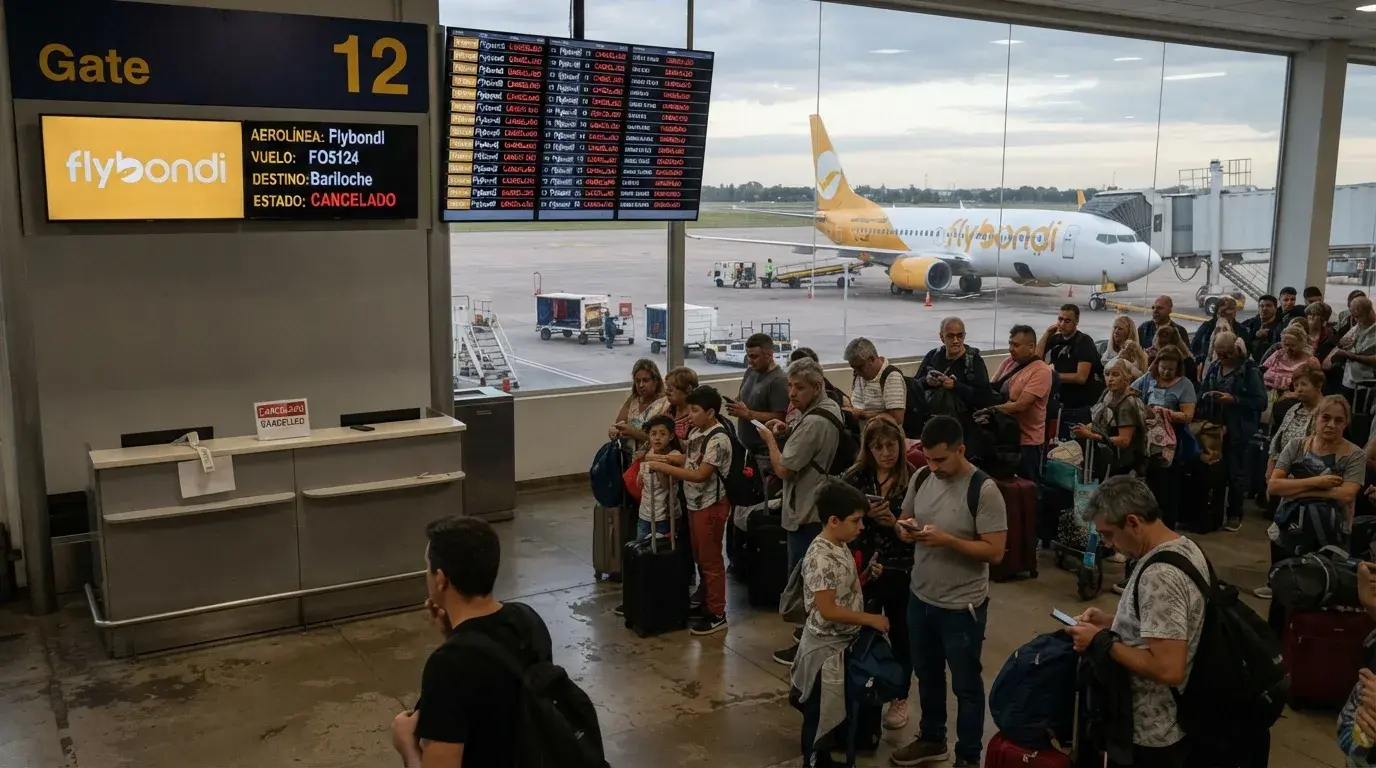
Argentina’s first low-cost airline suspended all flights on August 6, 2026. Flybondi, founded in 2016 and a key player in Latin America’s budget aviation sector, is now paralyzed by an unprecedented financial, operational, and regulatory crisis. Nearly its entire fleet is grounded, its website is inaccessible, and travelers are left without solutions to reach destinations in Argentina, Brazil, or Uruguay. The situation could drag on for weeks or even months, raising questions about the future of the low-cost model in the region.
The crisis at Flybondi is more than just a technical or commercial failure. It highlights the structural challenges faced by airlines in Latin America, where rising operational costs, shifting regulations, and local economic crises make operations perilous. For travelers, this paralysis poses a real risk: being stranded or forced to cancel bookings at the last minute. Yet the situation also presents an opportunity to rethink booking strategies and explore alternative options on the market.
Passengers who booked Flybondi tickets after August 6, 2026, are now stuck. The airline’s official website now displays a technical error, preventing any booking modifications or refund requests. Online travel agencies have already stopped selling Flybondi tickets, and Argentine authorities have not announced any replacement arrangements for canceled flights. Travelers are left scrambling for alternatives, often at higher costs and with less convenience.
Grounded Fleet and Massive Debt
At the start of 2026, Flybondi was still operating an average of nearly 19 aircraft daily. Today, only three planes remain in service, and even these have not taken off since August 6. The company’s financial situation is equally dire. A court in Buenos Aires ordered the seizure of Flybondi’s bank accounts to cover tax debts exceeding 1.4 billion Argentine pesos (around $9 million). Several suppliers have also filed for bankruptcy due to unpaid bills totaling over 600 million pesos.
The airline’s workforce is also affected. A group of 700 laid-off employees reported delays of up to three months in receiving severance pay. Employees still on the payroll have not received salaries for several months, worsening the social crisis. The situation is especially critical because Flybondi had pioneered the low-cost model in Argentina, offering attractive fares on domestic and international routes. Its collapse could have lasting repercussions on the regional aviation market.
Brazil Closes Its Doors to Flybondi
Flybondi’s problems extend beyond Argentina. In July 2026, Brazil’s National Civil Aviation Agency (ANAC) banned the low-cost airline from operating three routes in the country due to significant operational delays. The Brazilian regulator also prohibited Flybondi from launching new routes or increasing frequencies until the airline can demonstrate a return to regular operations. This decision strips Flybondi of part of its international network and further complicates its financial situation.
In a region where Latin American airlines struggle to maintain profitability, Flybondi’s collapse sends an alarming signal. The low-cost model, already weakened by rising fuel and spare parts costs, faces structural obstacles that are difficult to overcome. For travelers, this crisis underscores the importance of diversifying booking options and favoring airlines with strong financial health.
Alternatives to Flybondi for Travel in Latin America
With Flybondi’s future uncertain, travelers must turn to other options for their Latin American trips. Several airlines offer regular routes to Argentina, Brazil, and Uruguay, often with competitive fares and schedules. Here are the top alternatives to consider:
In Argentina, JetSMART remains a major player in budget air travel. The Chilean airline operates flights between Buenos Aires and multiple South American destinations, with attractive fares and a modern fleet. Aerolíneas Argentinas, the national carrier, continues to maintain a dense domestic and international network despite Argentina’s economic challenges. For travelers connecting Argentina to Brazil, GOL Linhas Aéreas and LATAM Airlines offer regular routes between Buenos Aires and São Paulo or Rio de Janeiro.
In Brazil, Azul Linhas Aéreas recently relaunched its Embraer E195-E2 fleet, ending a series of technical issues that disrupted its network in 2025. The airline now offers domestic and international flights with extensive coverage across Brazil. LATAM Airlines and GOL complement the options with routes to other Latin American countries, such as Chile, Colombia, or Peru.
For travelers heading to Uruguay, BQB Líneas Aéreas provides regular flights between Buenos Aires and Montevideo at competitive fares. The Uruguayan airline is a reliable alternative for connecting the two countries without relying on Flybondi.
How to Get Refunds or Modify Flybondi Bookings
With no new bookings or modifications possible, travelers must explore refund procedures. Flybondi has not yet announced an official plan for passengers affected by flight cancellations. However, several options are available:
Travelers can attempt to contact the airline via email or phone to request refunds or booking changes. It is advisable to keep all payment receipts, booking confirmations, and correspondence with the airline. If Flybondi refuses or ignores requests, passengers can escalate the issue to Argentine authorities, such as the Dirección Nacional de Transporte Aéreo (DNTA), to assert their rights.
Travelers with travel insurance may also file claims with their insurer for refunds or assistance. Some credit cards offer flight cancellation protection under specific conditions, so it’s essential to review the terms associated with your payment method before booking. Finally, online booking platforms like Amadeus, Sabre, or Travelport may assist passengers in recovering funds or finding alternatives. These platforms often have dedicated services for travelers affected by flight cancellations and can help streamline administrative processes.
Flybondi: A Low-Cost Model in Peril in Latin America
The collapse of Flybondi raises questions about the viability of the low-cost model in Latin America. Several factors explain this crisis: rising operational costs, volatile local currencies, shifting regulations, and increased competition from traditional carriers. In a challenging economic climate, budget airlines struggle to maintain profitability despite offering attractive fares to travelers.
For airlines, the lesson is clear: a modern fleet, rigorous financial management, and stable regulatory support are essential. Flybondi, which had successfully established itself as a key player in Latin American aviation, illustrates the risks when these conditions are not met. Its collapse could prompt other airlines to rethink their strategies or even exit the market.
For travelers, this crisis highlights the importance of diversifying booking options and favoring airlines with strong financial health. If in doubt, consider purchasing travel insurance or checking the protections offered by your credit card. It’s also wise to book directly with the airline or through trusted platforms rather than lesser-known third-party sellers.
Flybondi has not yet announced a recovery plan or resumption of operations. Without an official announcement of liquidation or the revocation of its air carrier certificate, the crisis’s outcome remains legally uncertain. However, time is running out for travelers: each day without a solution worsens the difficulties for stranded passengers or those awaiting refunds.
What to Do If You Have a Flybondi Flight in the Coming Months
If you have booked a Flybondi flight for the coming months, it’s essential to anticipate risks and prepare alternatives. Here’s how to minimize the impact of this crisis on your travel plans:
First, check the validity of your booking by logging into the airline’s website or contacting your travel agency. If your flight has already been canceled, you’ll likely need to find a replacement. Several airlines offer similar routes, though schedules and fares may vary. Compare options on airline websites or booking platforms to find the best deal.
If your booking hasn’t been canceled yet but you’re concerned about service interruptions, try to modify your flight or request a refund. Flybondi has not yet communicated a specific procedure for travelers whose flights haven’t been canceled. Stay in contact with the airline and monitor official announcements.
Finally, if you have travel insurance or your credit card offers flight cancellation protection, contact your insurer or bank immediately to understand your rights and next steps. Some policies cover flight cancellations, even in cases of an airline’s financial crisis.
Flybondi serves as a stark reminder of the risks of booking with financially troubled airlines. To avoid similar situations, prioritize carriers with strong financial health and diversify your booking options.
Be the first to comment on this article