El Al posts record $132M profit amid Middle East war: How to save on Israel flights
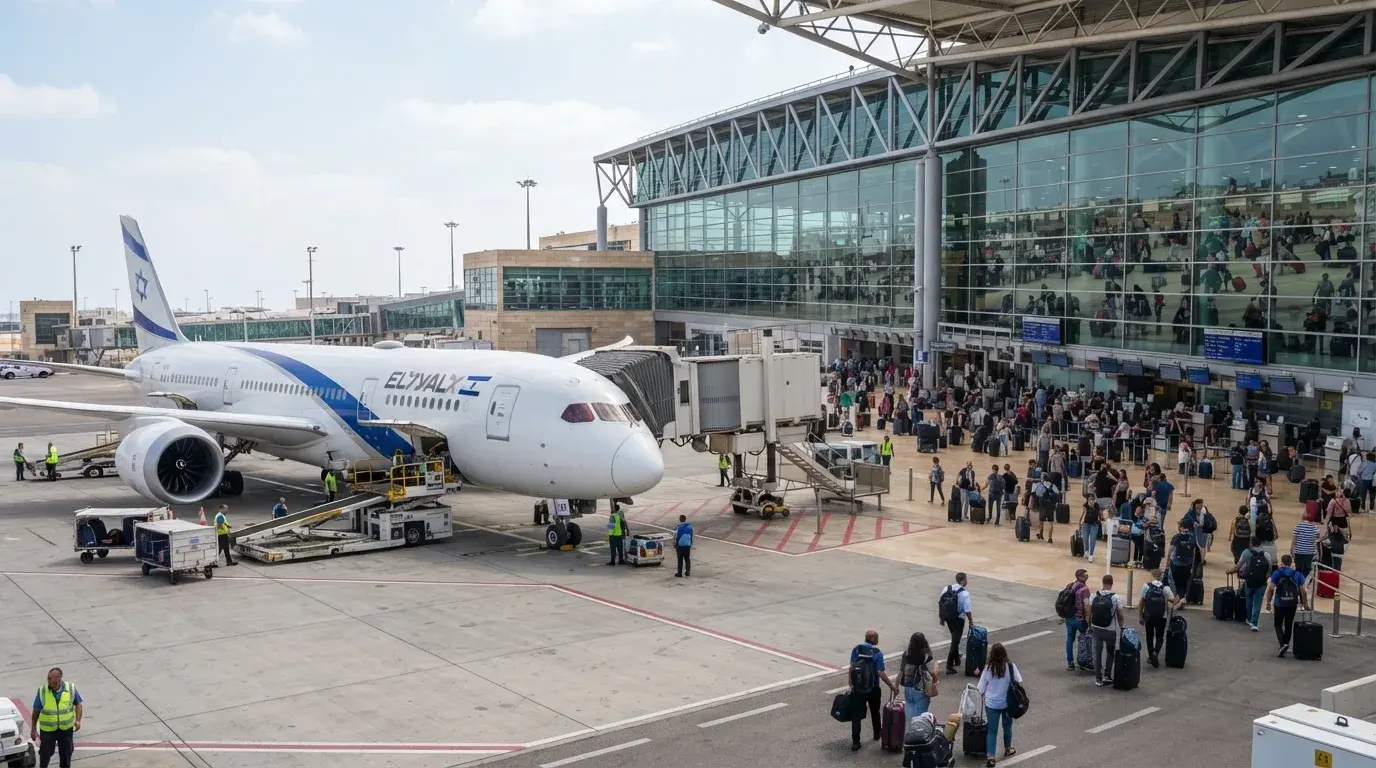
The geopolitical tensions in the Middle East have dramatically reshaped travel to Israel. In Q2 2026, El Al reported a record net profit of $132 million, doubling its earnings from the same period a year earlier, primarily due to a drastic reduction in foreign competition on flights to Tel Aviv-Ben Gurion. While this situation may seem paradoxical, it presents concrete opportunities for passengers seeking flights to the Holy Land.
Between April and June 2026, the Israeli carrier’s revenue surged by 27% to $986 million, despite rising fuel costs and a stronger shekel. This remarkable performance stems from explosive demand, with forward bookings reaching $1.4 billion by June 30—a level three times higher than three years prior. El Al increased its capacity by 6% to 10% for the summer season (July-September), offering additional seats at market-judged elevated fares.
The war between Israel, the U.S., and Iran has forced many foreign airlines to suspend or reduce flights to Israel. As a result, El Al, the only major carrier maintaining significant operations on key routes like Tel Aviv-New York, saw its market share surge from 24% in 2023 to 50% in Q2 2026. Analysts expect this dominance to persist as long as tensions continue. For travelers, this translates to economy-class fares averaging 10-15% higher, with prices skyrocketing whenever a seat becomes available.
High fares, but limited options to avoid surcharges
Passengers have few viable alternatives in this environment. Major European carriers like Air France and Lufthansa have resumed flights to Tel Aviv, but at frequencies still insufficient to restore meaningful competition. Low-cost carriers from Eastern Europe and Gulf airlines are tentatively returning, yet their offerings remain marginal. As a result, Israeli travelers or those transiting to the country often find themselves forced to pay premium fares, even for standard routes.
The domestic Israeli market, particularly dynamic, further intensifies this pressure. Forward bookings totaling $1.4 billion underscore consistent demand, including for domestic flights. While carriers like Israir and Arkia are present, they cannot absorb the full demand, leaving El Al dominant on most routes.
For European or U.S. travelers planning a trip to Israel, the safest strategy is to book as early as possible. Flexible fares, though rare, sometimes allow passengers to avoid last-minute price hikes. Some travel specialists note that Israeli customers, willing to pay "any price" for a seat, are driving fares to record levels, especially on high-demand routes like Europe or North America.
A dominant position that raises regulatory questions
This de facto near-monopoly has not gone unnoticed. Israel’s Competition Authority has hinted at the possibility of a €35 million fine against El Al, alleging the airline may have abused its dominant position by charging "excessive and abusive" fares during the war. The proceedings are ongoing, and El Al has already presented its arguments, emphasizing that it has maintained operations amid a war where many competitors withdrew for security reasons.
For travelers, this regulatory tug-of-war could eventually lead to lower prices once the crisis subsides and foreign carriers return. Until then, passengers must navigate a market where seat scarcity outweighs competitive pricing. Bookings for the coming months remain open, but prices are likely to continue rising as long as demand remains strong and supply limited.
How to minimize the impact on your travel budget
In this reality, several strategies can help optimize the cost of flights to Israel. The first is to book in advance, ideally several months before departure, to secure the most advantageous fares available. Flexible tickets, though pricier upfront, can sometimes shield travelers from last-minute hikes driven by seat scarcity.
Another approach is to monitor cancellations or secondary time slots. Early morning or midweek flights are often less in demand and thus cheaper. Alternative airports, such as Tel Aviv-Sde Dov for domestic flights, may also offer more attractive fares, though this solution is less practical for international travelers.
Finally, for the most flexible travelers, it may be wise to watch for announcements from foreign carriers resuming operations. The return of Delta Air Lines, United Airlines, or American Airlines on routes like Tel Aviv-New York, for example, could lower prices on this axis by providing credible alternatives to El Al. Until then, passengers will need to contend with a market where supply and demand dynamics work against their wallets.
El Al: A carrier expanding despite tensions
El Al’s financial performance extends beyond fare hikes. The airline has also capitalized on strong demand for its long-haul flights, particularly to the U.S. and Europe. With forward bookings at historic levels, El Al is solidifying its leadership in Israel’s aviation market, even amid heightened geopolitical tensions. CEO Levy Halevy noted that the company "closed the second quarter with solid results, despite operating at full capacity for only two months."
This financial resilience could enable El Al to invest in fleet expansion or new routes once the current crisis abates. Until then, travelers must adapt to a market with virtually no competition, where fares reflect this reality.
For those planning a trip to Israel in the coming months, caution is key: monitor announcements from foreign carriers, book early, and be prepared to pay a premium for a seat. The return to healthy competition on this axis could take months or even years, leaving El Al in a dominant position in Israel’s rapidly evolving aviation market.
Be the first to comment on this article