Vietnam: How aviation is boosting tourism despite airport tensions
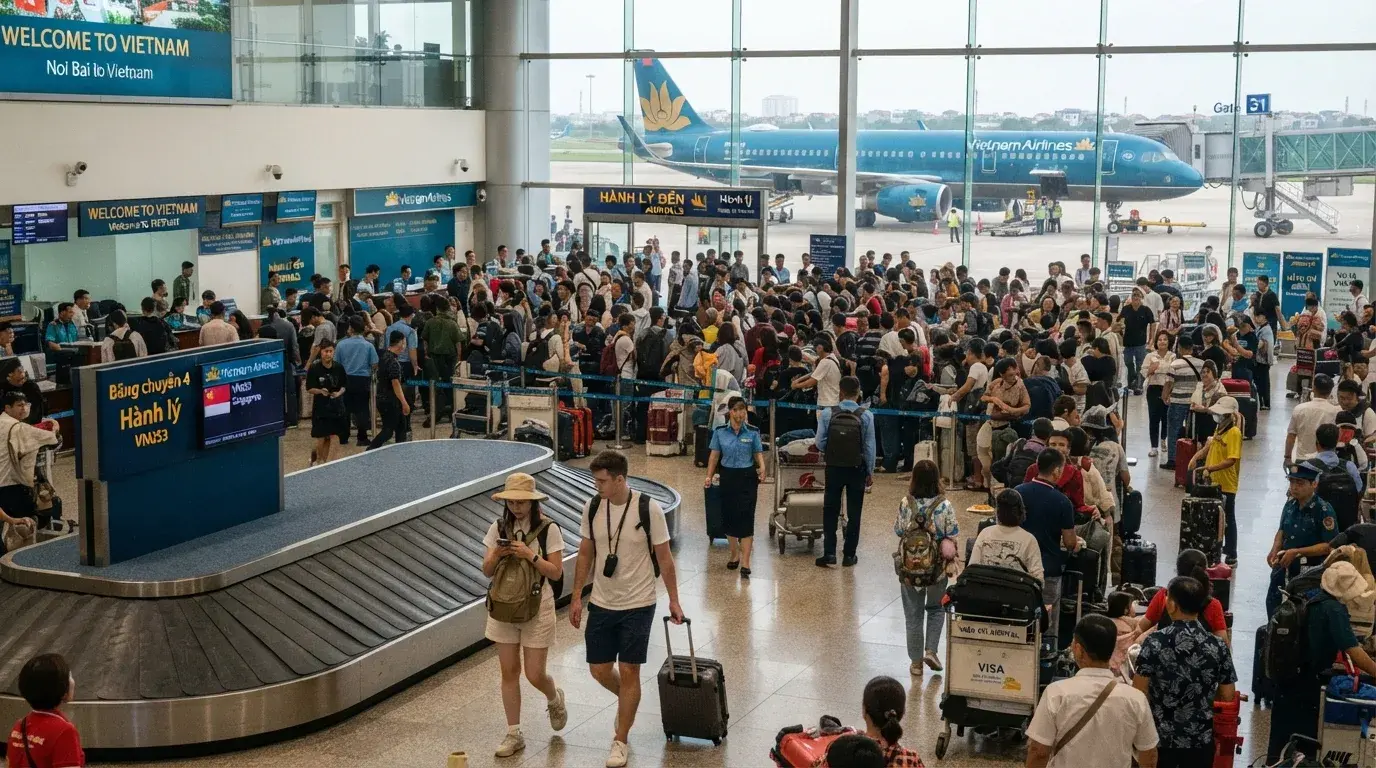
Vietnam welcomed over 17.7 million international visitors between January and September 2026, cementing its status as a leading Southeast Asian destination. Despite recurring tensions at some airports, the country recorded a 14.5% year-on-year increase in arrivals, with China and South Korea remaining the top source markets. Yet, access to Vietnam remains heavily reliant on air travel, with 83.2% of international arrivals arriving by plane. The surge in air traffic—now reaching 102 million passengers across local airports in nine months—highlights the strategic importance of connectivity for the country’s tourism economy. How is this growth being managed, and what challenges persist for travelers and airlines?
Vietnam’s appeal lies in its unbeatable value for money, combining competitive pricing with high service standards, particularly in dining. “You eat well, and the variety is rich enough to justify two separate trips—one for the North and one for the South,” explains Jérôme Caro, CEO of Destino Mundo. The country’s cultural diversity, from the karst landscapes of Halong Bay to the bustling streets of Ho Chi Minh City, allows for tailored itineraries for all profiles, from group tours to intimate experiences. Suggested routes often include low-cost domestic flights, such as Hanoi–Hue or Ho Chi Minh City–Dalat, available for just a few dozen euros—a major advantage for optimizing travel time.
China and Europe lead source markets, while Russia sees explosive growth
While China and South Korea account for nearly 40% of international arrivals—with 3.9 million and 3 million visitors respectively over nine months—the most dramatic growth comes from Europe. Arrivals from the continent surged by 55%, driven by demand for beach getaways, extended vacations, and winter escapes. Russia stands out with a 160.6% increase, bringing around 1.1 million visitors, making it the third-largest source market and the top European contributor. This surge is fueled by improved air connectivity and strong interest in destinations like Phu Quoc and Nha Trang. Western European markets are also contributing: France (+13.6%), Germany (+16.1%), and the UK (+9.7%) are expanding, while Poland (+49%) and the Czech Republic (+26.6%) show significant growth.
For tour operators, Vietnam’s attractiveness hinges on affordability. “The advantage of Vietnam is that domestic flights are cheap,” notes Jérôme Caro. This accessibility allows travelers to string together multiple destinations without breaking the bank, especially when combining cruises in Halong Bay or trips to the Central Highlands. Agencies often design optimized routes, such as direct transfers from a cruise back to the airport in Hanoi, avoiding unnecessary detours. Itineraries vary based on available time: Destino Mundo offers a 12-day off-the-beaten-path private tour, while Les Maisons du Voyage propose a 15-day journey linking Hanoi to Ho Chi Minh City via Hue, Hoi An, and the Mekong Delta. These packages make it possible to explore the country’s three major regions in a single trip—a compelling proposition for time-pressed travelers.
Booming air traffic but strained infrastructure
Vietnam’s tourism boom is inseparable from the performance of its domestic air network. According to Vietnam’s Civil Aviation Authority (CAAV), the country’s airports handled nearly 102 million passenger movements between January and September 2026, a 12% year-on-year increase. International traffic exceeded 39 million passengers (+14%), while domestic traffic accounted for over 62 million (+11%). Vietnamese airlines transported more than 46 million passengers during the same period, including nearly 15 million on international routes. These figures reflect sustained growth but also underscore the challenges of capacity management and infrastructure strain. To address this, Vietnam Airlines, Vietjet, Sun PhuQuoc Airways, and Vietravel Airlines plan to add aircraft, while authorities accelerate the development of new hubs like Long Thanh International Airport near Ho Chi Minh City and Gia Bình Airport in Hanoi. These projects aim to alleviate pressure on existing hubs, such as Tan Son Nhat and Noi Bai, and better integrate air transport with road and rail networks.
The infrastructure push is accompanied by a growing role for local airlines. Vietnam Airlines, for example, is modernizing its fleet with aircraft like the A330neo and 787 Dreamliner to meet international demand. Vietjet continues to expand its low-cost network, adding destinations like Bangkok, Singapore, and Seoul while forming partnerships with European tour operators. This diversification covers a wide range of segments, from premium travelers to budget-conscious tourists. For 2026, the CAAV forecasts an air travel market of around 94 million passengers (+13%) and over 1.6 million tons of cargo (+9.3%), underscoring Vietnam’s ambition to become a key regional hub.
Persistent challenges: fuel costs, geopolitics, and peak traffic management
Despite this growth, Vietnam’s aviation sector faces significant constraints. Volatile fuel prices, geopolitical tensions, and supply chain disruptions are among the primary risks identified by the CAAV. These factors can complicate capacity increases and fare stability, particularly during peak demand. Managing peak periods, such as the Tet 2027 holiday (Vietnamese New Year), presents another challenge. The authority plans to adjust operating conditions at major airports and coordinate flight schedules to prevent congestion. It also aims to encourage airlines to maintain reasonable fares during these periods to ensure destination accessibility.
For the National Tourism Authority, the focus must now shift from visitor numbers to the quality of their experience. Key objectives include extending average stays, boosting spending, and enhancing service offerings. These priorities align with a broader strategy to position Vietnam as a premium destination capable of competing with tourism giants like Thailand and Indonesia. Early results are promising: the country has already achieved 71% of its 25 million international arrivals target for 2026 and is banking on a strong year-end high season to meet its goals. With targeted infrastructure investments and strengthened air connectivity, Vietnam is positioning itself as a key player in Southeast Asian travel, despite ongoing operational challenges.
Vietnam: an accessible and diverse destination
For travelers looking to explore Vietnam, options abound—whether through organized tours or independent exploration. Major departure cities in France, such as Paris, Lyon, and Marseille, offer direct flights to Hanoi or Ho Chi Minh City with airlines like Vietnam Airlines or Air France. Domestic flights, operated by carriers like Vietnam Airlines or Bamboo Airways, quickly connect major tourist hubs such as Da Nang, Nha Trang, or Phu Quoc. Travelers can also opt for combined air and overnight train packages, a popular choice for routes like Hanoi–Sapa or Ho Chi Minh City–Mui Ne. Local agencies, including those mentioned above, offer tailor-made packages including accommodation, transport, and activities, with prices varying based on comfort level and trip duration.
Vietnam remains a destination where air travel plays a central role, both for arrival and internal mobility. Airports like Tan Son Nhat in Ho Chi Minh City and Noi Bai in Hanoi are undergoing modernization to accommodate growing traffic. Travelers are advised to book tickets in advance, especially during peak season, and to check entry requirements, such as the now-mandatory e-visa for many nationalities. With its breathtaking landscapes, rich culture, and delicious cuisine, Vietnam offers a unique experience where every step—from takeoff to landing—contributes to the adventure.
Be the first to comment on this article