Flydubai relaunches Budapest route: Why this line is a masterstroke for your European travel
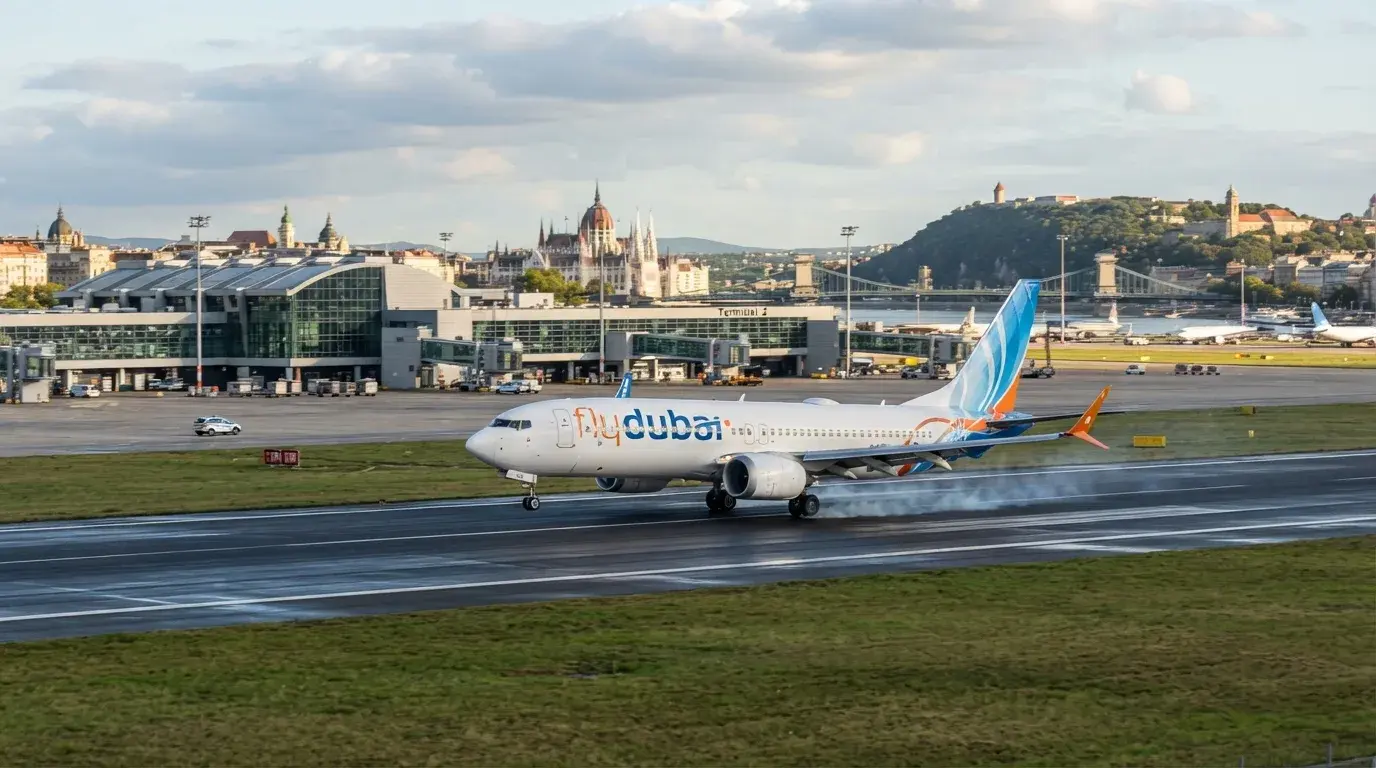
Dubai and Budapest have strengthened their ties with the return of direct flights operated by flydubai. Starting July 31, 2026, the Emirati airline will resume flights between Dubai and the Hungarian capital, offering travelers a new gateway to Central and Eastern Europe. Three weekly flights are initially planned, with an increase to daily frequency from October. An announcement that deserves your attention, especially if you're looking for alternatives to congested hubs or competitive long-haul fares.
The resumption of Budapest is more than just a return to business as usual. For flydubai, this route is part of a broader strategy to consolidate its presence in Europe—a market where the airline has positioned itself as a hybrid player, blending low-cost efficiency with network service. With attractive fares and flexible offerings, the Emirati airline could become a serious contender for French and European travelers seeking diverse destinations east of the European Union.
The choice of Budapest as a destination is no coincidence. The Hungarian capital, already well-connected to Western Europe, is becoming a strategic transit point for travelers to and from the Gulf. With this relaunch, flydubai reinforces its role as a bridge between Europe and the Middle East while providing passengers with an alternative to traditional hubs like Paris, London, or Frankfurt. A boon for those looking to avoid complex layovers or endless queues.
Passengers will also benefit from the synergy between flydubai and Emirates, both subsidiaries of the same group. Connections via Dubai are streamlined, with integrated ticketing and seamless services between the two airlines. A significant advantage for those looking to link up flights stress-free, whether for business or leisure. The route will operate from Terminal 3 at Dubai International Airport (DXB), a hub already well-versed in handling international connections.
Budapest: A destination of many faces
Budapest is far more than just a technical stopover. The city, a UNESCO World Heritage site, captivates with its iconic architecture, thermal baths, and rich cultural life. Whether you're drawn to museums, open-air concerts, or strolls along the Danube, the Hungarian capital offers an authentic and accessible experience. With the relaunch of this route, flydubai is targeting a dual audience: business travelers attracted by economic opportunities in Central Europe, and tourists seeking off-the-beaten-path discoveries.
For travelers coming from France, Budapest presents an appealing alternative to more traditional destinations like Prague or Vienna. Direct flights from Dubai eliminate the need for cumbersome layovers, often synonymous with wasted time and money. With competitive pricing and seasonal frequency, this route could well establish itself as a go-to option for your next European trips.
The Hungarians, meanwhile, will gain easier access to the United Arab Emirates and parts of Asia—a market booming with tourism and business opportunities. The Hungarian government has welcomed this initiative, highlighting the importance of economic and cultural exchanges between the two countries. A collaboration expected to translate into increased opportunities for local businesses and travelers alike.
A bold network strategy
The resumption of Budapest aligns with a particularly ambitious network schedule for flydubai. The airline has recently added or relaunched several destinations, confirming its commitment to diversifying its offerings and capturing new markets. Among other recent projects, the launch of the Pokhara route in Nepal, scheduled for September 23, 2026, stands out. Further proof that flydubai is betting on sustained growth despite current economic and geopolitical challenges.
With a pre-tax profit of 2.2 billion AED (approximately $591 million) in 2025 and over 15.7 million passengers carried, the airline boasts robust financial health. This performance enables it to invest in new routes and enhance services for travelers. Ghaith Al Ghaith, CEO of flydubai, emphasized the strategic importance of the Budapest route: “The resumption of our service to Budapest reaffirms our long-term investment in Hungary and reflects the strong economic and cultural ties between our two countries. Budapest remains one of our most strategic European markets.”
This relaunch is also a strong signal to other airlines, particularly European ones. Flydubai proves that it’s possible to grow in Europe without relying solely on traditional hubs, instead focusing on secondary but strategic destinations. An approach that could inspire other industry players at a time when competition in the aviation market is becoming increasingly fierce.
How to make the most of this new route
If you’re considering traveling between France and Budapest via Dubai, here are some tips to optimize your experience. First, keep an eye on flydubai’s promotional offers, which frequently feature competitive fares on new routes. Online booking is quick and easy, with flexible baggage options to suit your needs.
For connecting passengers, check the flight schedules between Dubai and Budapest, as well as layover times. Flydubai and Emirates offer baggage transfer services, eliminating unnecessary formalities. Finally, if you plan to extend your stay in Budapest, explore flydubai’s domestic flight options in Hungary, which could allow you to discover other regions of the country.
With this relaunch, flydubai confirms its place among the airlines to watch for travelers seeking flexibility and unique destinations. Budapest is now a must-visit stop for those looking to explore Europe from a fresh perspective—blending history, culture, and economic opportunities. A route not to be missed for your next trips.
Be the first to comment on this article