
The airspace of’Iran andIsrael was closed to civilian traffic on Saturday, due to the military escalation between the two nations. This decision is causing major disruption to air traffic in the Middle East, prompting France to advise against travel to the region.
Synchronized closure in the face of escalation
Israel was the first to announce the complete closure of its airspace, a measure which has been extended until further notice. Iran soon followed, declaring its airspace completely closed to civilian traffic. These simultaneous closures led to a large number of flight diversions and cancellations, affecting international traffic passing through this strategic area.
Tensions are running high following an Israeli strike described as «pre-emptive» on Iranian soil at dawn this Saturday. Explosions were reported in several Iranian cities, including Isfahan and Teheran, sparking worldwide concern. In response, Iran launched missiles towards Israel, triggering warning sirens in several Israeli cities, including Jerusalem. The population was called upon to take refuge in shelters.
Israeli Prime Minister Benyamin Netanyahu justified the operation as necessary to «eliminate the existential threat» posed by the Iranian regime. Military targets and sites linked to the regime were reportedly targeted. The United States lent its support to Israel, announcing military operations aimed at the Iranian regime.
Travel advice: heightened vigilance in France
Faced with this explosive situation, the French Ministry of Foreign Affairs has issued strong recommendations to its citizens. It is now strongly advised not to travel to Israel, including Jerusalem and the West Bank, for any reason whatsoever, including for tourism or family reasons. French nationals already in Israel are urged to exercise the utmost vigilance, locate the nearest shelters and avoid all gatherings.
The fears expressed the day before by the Quai d'Orsay regarding a possible closure of airspace and major disruptions to flights have become reality. The consequences on regional air traffic are likely to last for several days, paralyzing part of the international flows in this part of the world. Many flights have already been cancelled or rerouted, creating uncertainty about future departures and returns.
The situation remains tense and is evolving very rapidly, requiring constant monitoring of instructions from the French authorities and the airlines concerned.
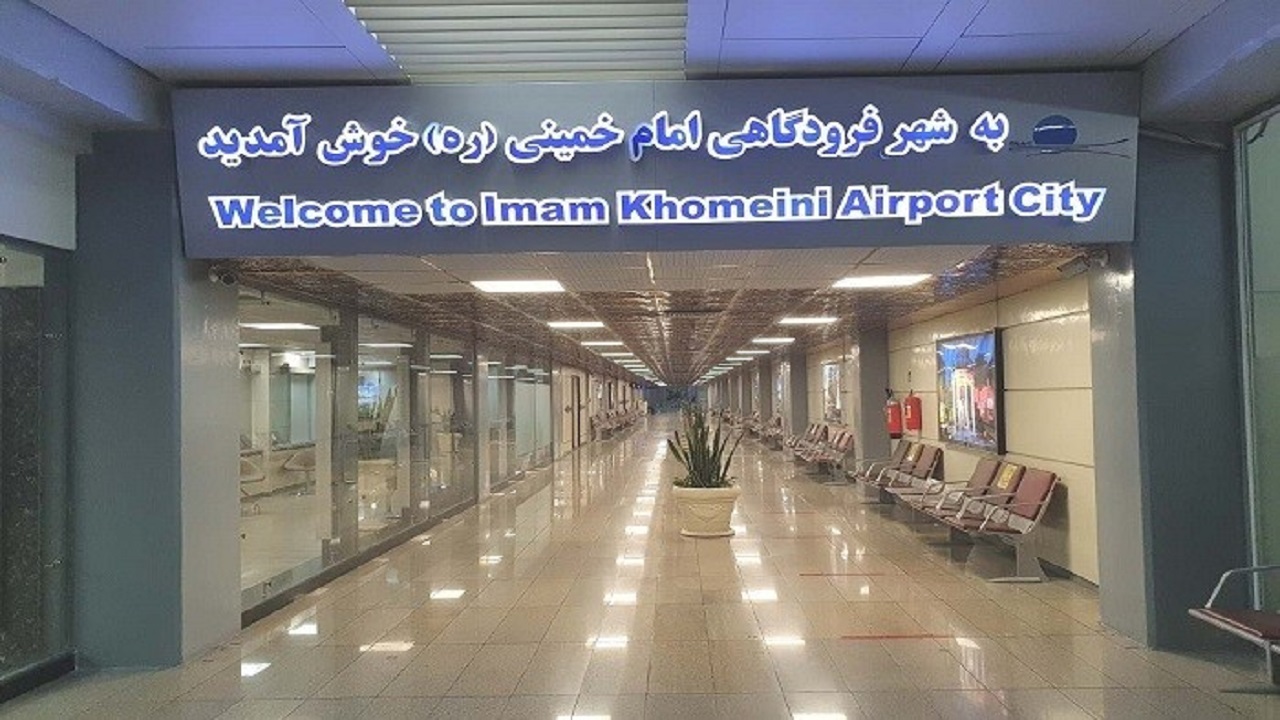
@Iran Tourism Center



 English
  French