Business Travel in Europe: How Companies Will Spend €404 Billion by 2026
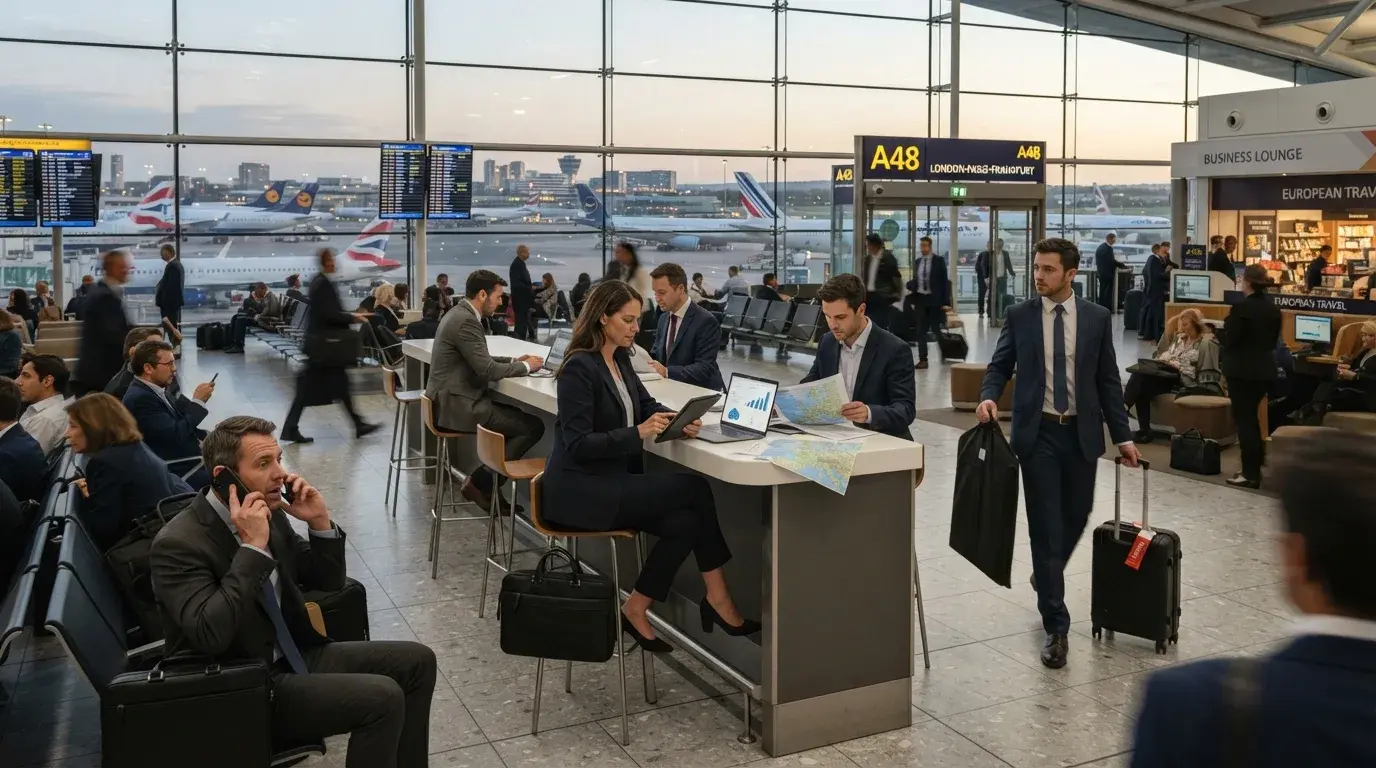
European companies are set to spend €404 billion on business travel in 2026, according to the latest projections from the Global Business Travel Association (GBTA). This represents a 7% increase compared to 2025, confirming that business travel remains a cornerstone of the continent’s economy. With 600 million trips generated, Europe accounts for nearly a third of global business travel, while its share of total spending stands at 27%.
Budgets allocated to business travel are rising far faster than the number of trips. In 2026, the number of trips will only grow by 0.7%, while spending will surge by 7%. This trend reflects companies’ increasingly selective approach, prioritizing productivity and efficiency. « Companies haven’t abandoned travel, but they’re becoming more demanding about return on investment », explains Suzanne Neufang, CEO of GBTA, during the presentation of the study in Vienna. Future projections confirm this trend: spending is expected to reach €425 billion in 2027, then €471 billion in 2030.
France among Europe’s business travel leaders
France ranks third in Europe for business travel spending, with a budget of €45 billion in 2026. It trails behind Germany (€79.9 billion) and the United Kingdom (£50 billion). These three countries alone account for 62% of European spending, dominating investment in the sector. Italy and Spain round out the top five, confirming the dominance of Europe’s largest economies in business travel.
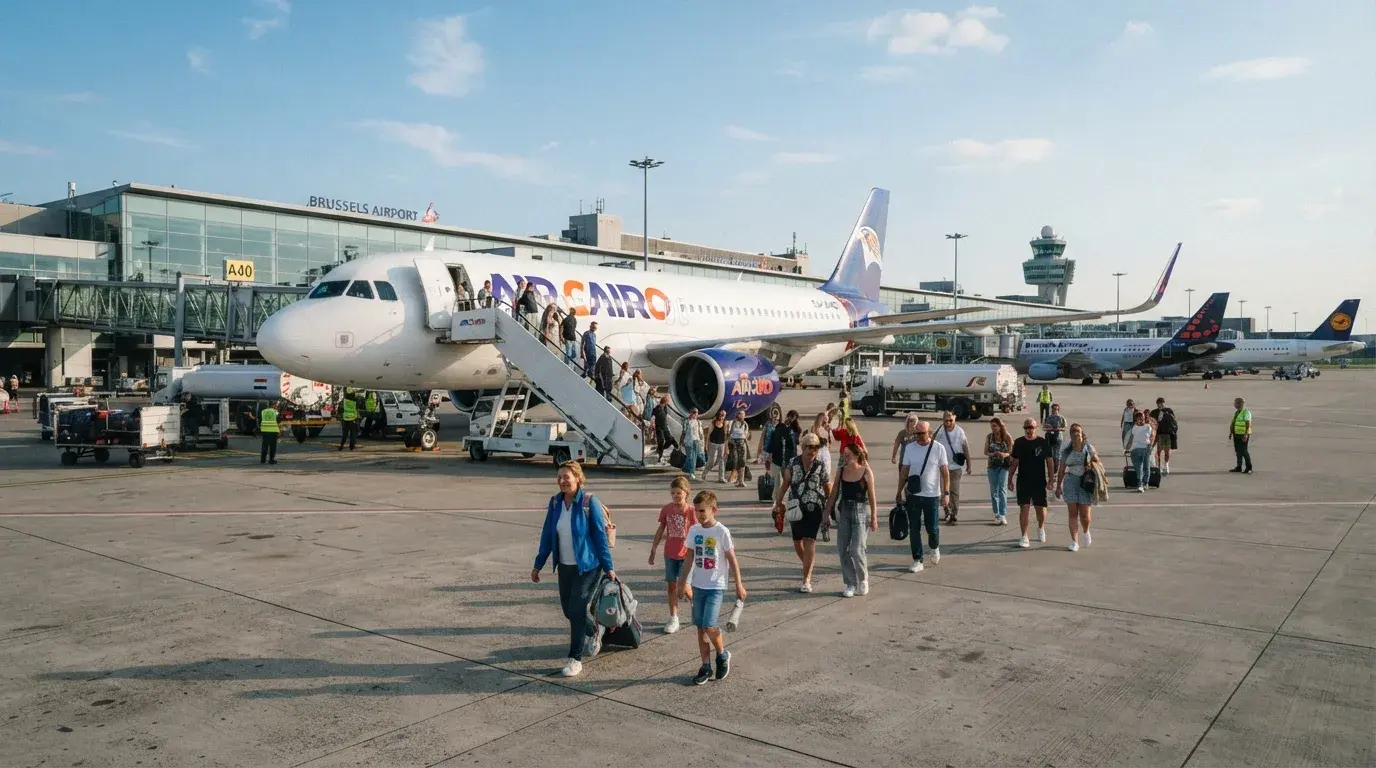
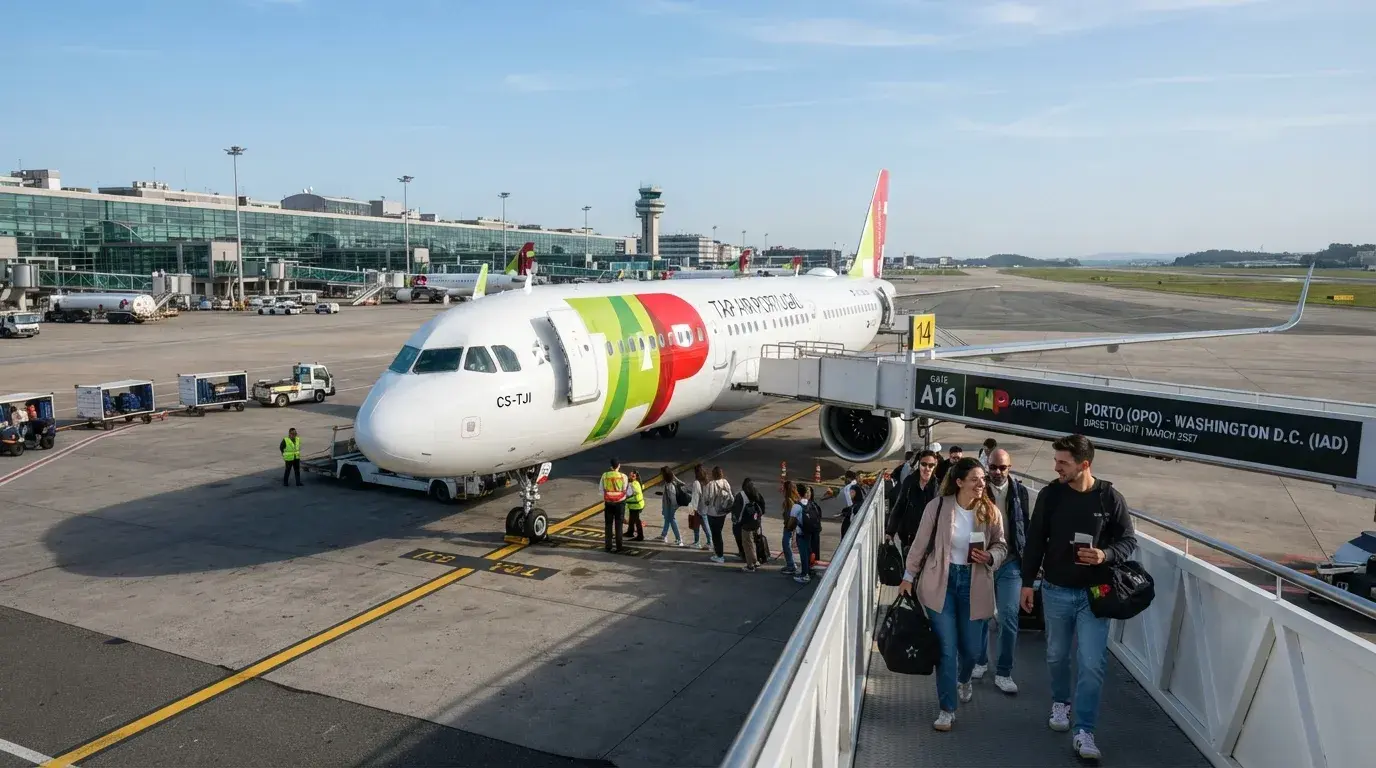
Domestic travel dominates the European business travel landscape. In 2025, 63% of business trips were within the same country, compared to 37% for international travel. The most common reasons? Meeting clients, attending commercial meetings, or managing accounts. Training, collaborative projects, and conferences follow. Among the modes of transport used, cars remain the most popular (43% of respondents), ahead of planes (34%) and trains (25%). More than half of trips (57%) required at least one overnight stay, with an average duration of 3.6 nights.
Corporate cards and expense management tools
European companies are increasingly relying on digital solutions to optimize spending. In 2026, 64% of business travelers will have a corporate card provided by their employer, while 43% will use expense management tools. These systems help better control costs and improve spending transparency. Companies are also 74% planning trips equal to or greater than in 2025, and more than half (55%) are considering extending a business trip for personal purposes.
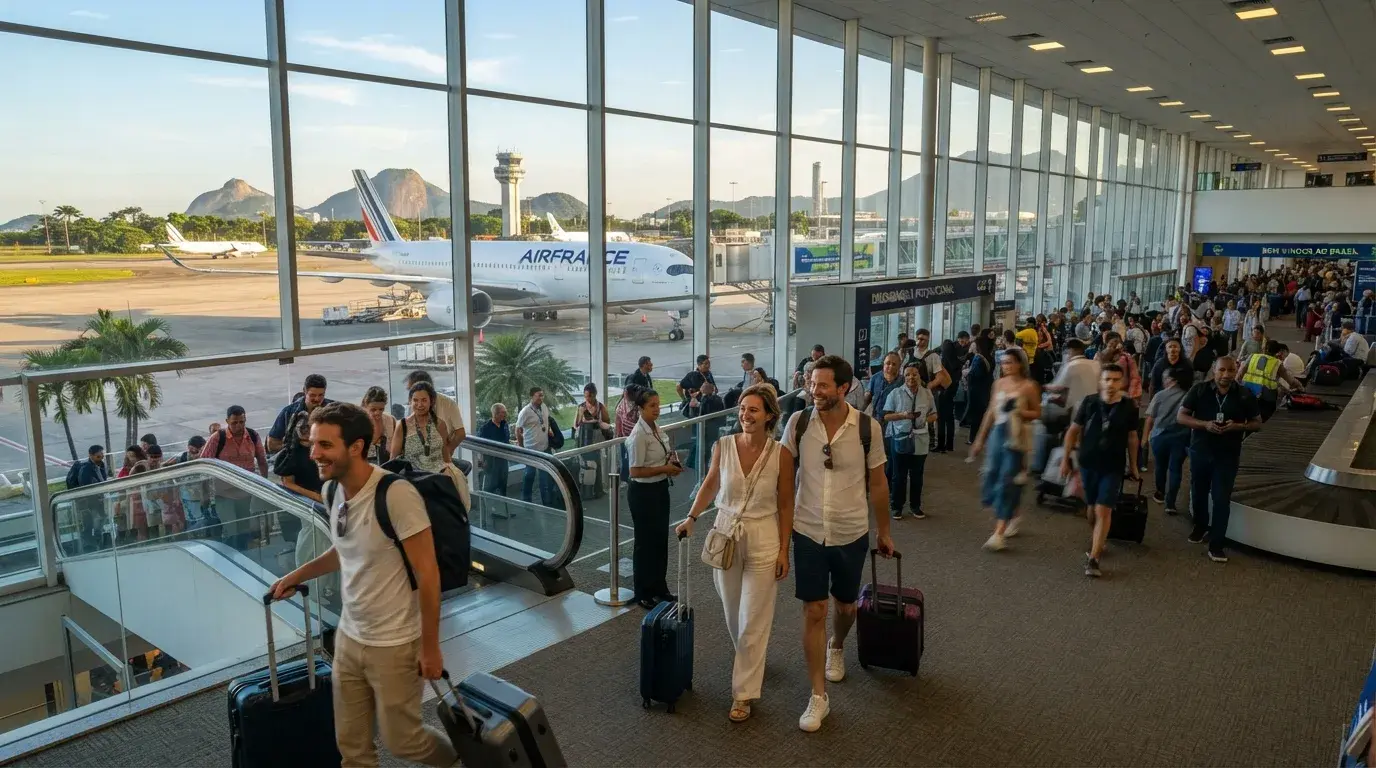
This drive for rationalization is accompanied by a growing focus on productivity. European companies are seeking to maximize the impact of each trip, favoring short, targeted travel. « Business travelers no longer want to waste time in airports or on transport. They want seamless solutions, optimized connections, and tools that allow them to work efficiently during their journeys », notes a sector expert.
Business travel agencies: strategic partners
Facing this growing complexity, companies are turning to agencies specializing in business travel. Five major players stand out in France and Europe:
American Express GBT, an international presence, offers end-to-end travel management for large corporations. Its advanced digital tools and global network make it an essential partner for the most demanding businesses.
Globéo Travel, based in Courbevoie, targets SMEs, mid-sized companies, and large accounts in France. The company combines technology and human support, with solutions like MyOverview and Wondermiles. Its approach is built around an agentic AI that optimizes bookings and spending.
BCD Travel, a Dutch group, specializes in managing international programs. Its technological solutions and Manor network in France help companies reduce costs while maintaining high service levels.
Havas Voyages, a subsidiary of the Marietton Group, offers an integrated service combining business travel and leisure. Its personalized support and wide range of services make it a key player in the French market.
FCM Travel, an Australian group present in Europe, stands out for its international expertise and innovative tools. The company targets corporate business travel and supports clients in their mobility strategies.
A sector in full transformation
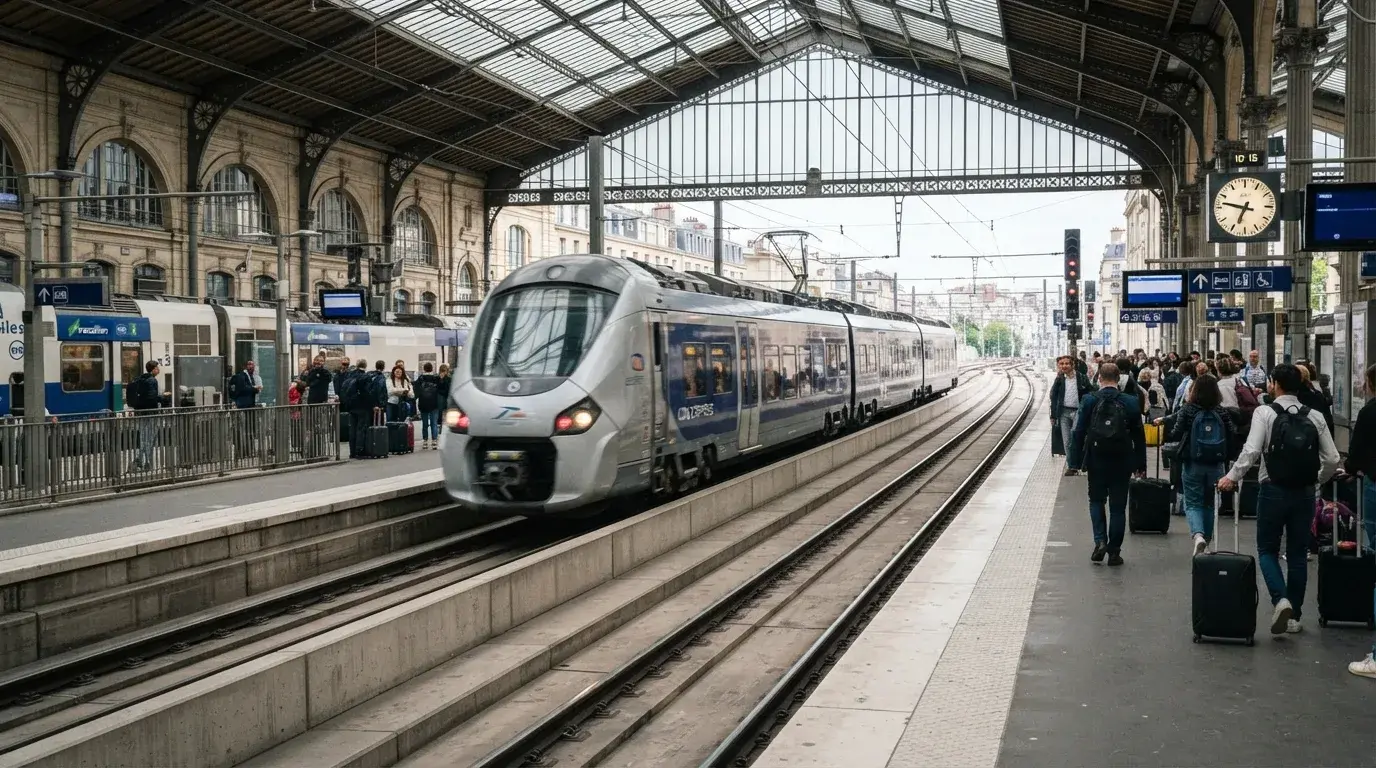
The European business travel market is undergoing significant change. Companies are striving to balance economic performance with sustainability, integrating environmental criteria into their transport choices. Trains, in particular, are gaining popularity for medium and short-haul trips, while airlines are developing carbon offset programs to meet the expectations of travelers and shareholders.
Agencies and carriers must adapt to this new reality. Digital tools, artificial intelligence, and real-time booking platforms have become essential to remain competitive. Companies expect their partners to provide real-time visibility into spending, simplified booking management, and tailored support.
With rising spending and ever-higher expectations for service and sustainability, the business travel sector in Europe is more than ever a strategic lever for companies. Those who innovate and adapt to these new challenges will be the ones to thrive in the years ahead.
Be the first to comment on this article