Cyberattack on DGAC: Pilots and aircraft owners exposed, how to protect yourself
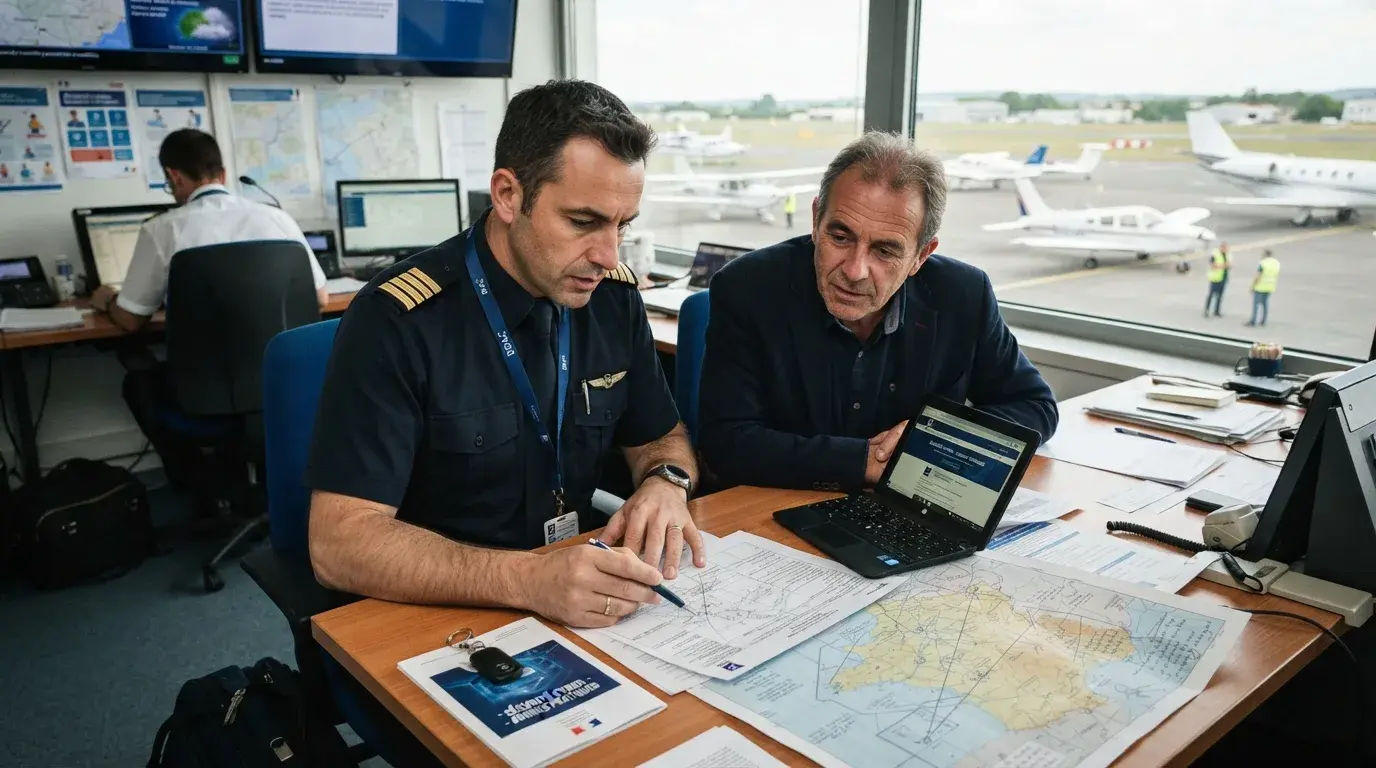
A cyberattack targeting the payment portal of the French Civil Aviation Safety Directorate (DSAC) compromised the data of thousands of users between November 5 and 9, 2026. Pilots, aircraft owners, and aviation professionals now face heightened risks of targeted fraud. With stolen identities, partial banking details, and personal addresses exposed, the consequences could extend far beyond the initial data leak. What steps can you take to minimize the impact and avoid becoming the next victim?
The DGAC notified users via email on November 24, confirming unauthorized access to its aeronautical fee payment system. Hackers were able to retrieve sensitive information: names, addresses, phone numbers, order histories, and in some cases, partial banking data. While the DGAC downplays the risk by stating that « no complete banking data was compromised », the absence of all 16 digits of a credit card number does not guarantee absolute security. By combining these partial details with other personal data, fraudsters could attempt sophisticated scams, such as calls impersonating the administration to obtain additional information.
The compromised portal is not a flight booking site but an essential administrative tool for aviation professionals. It is used to pay fees related to pilot licenses, qualifications, and flight approvals—a process every sector professional must complete regularly. The DSAC, which issues these authorizations, was forced to temporarily suspend its service after discovering the intrusion. The administration claims to have strengthened data encryption and audited its systems, but users must now take action to protect themselves.
The banking aspect of this breach remains the most concerning. Although the DGAC states that « six of the 16 card digits were not recorded », the SystemPay transaction number and cryptogram were exposed for some users. Combined with a name and fee amount, these details could be enough to convince a victim to disclose further information during a fake phone call. Social engineering scams pose a real threat, as highlighted by Numerama in its analysis of the situation.
How to check if you’re affected and what immediate measures to take
The DGAC urges portal users to change their passwords immediately. This precaution is essential, even though the administration claims to have changed the encryption key for its servers. For those who made purchases on the site, it is advisable to monitor bank transactions and report any suspicious activity to your bank as soon as possible.
Aviation professionals, particularly exposed, must exercise extreme caution. Pilots and aircraft owners are prime targets for identity theft attempts or fraudulent information requests. An internal DGAC communication reminds users that « suspicious emails, SMS, or links should be ignored ». If in doubt about a message, it is best to contact the administration directly through its official channels rather than responding to an external solicitation.
The DGAC has set up a crisis unit to assist affected users. Those concerned can seek additional advice or report fraud attempts. The goal is to prevent this breach from escalating into a wave of targeted scams, as seen in other major cyberattacks on public sector systems.
Long-term risks: A threat that goes beyond a simple data leak
Beyond immediate consequences, this cyberattack raises questions about the security of France’s civil aviation computer systems. The DSAC is a critical component of the country’s aviation regulation, and its compromise calls into question the robustness of national administrative infrastructures. Cybersecurity experts emphasize that attacks on critical systems can have repercussions far beyond stolen data, particularly in terms of institutional trust.
For pilots and aircraft owners, this breach could also lead to administrative complications. Identity theft, for example, could allow a fraudster to alter information related to a license or qualification. The DGAC has indicated it is working to implement preventive measures to avoid such scenarios, but users must remain vigilant and report any anomalies in their files.
French authorities responded promptly, but the speed of their intervention should not overshadow the lasting impact of this attack. Aviation professionals are urged to stay informed of official updates and adopt a proactive stance against fraud risks. Cybersecurity is no longer optional but a necessity in an environment where sensitive data circulates constantly.
The DGAC has since reopened its payment portal after strengthening its security protocols. However, caution remains essential for all users. By combining individual vigilance with collective action, it is possible to limit the damage and prevent this cyberattack from becoming a new case study in security flaws.
Key takeaways to act effectively
First, change your password on the DSAC portal. Second, monitor your bank transactions and report any unusual activity. Third, ignore unsolicited communications mimicking the DGAC and use official channels instead. Finally, stay informed of the administration’s and cybersecurity experts’ recommendations to adapt your behavior accordingly.
This cyberattack once again underscores that digital security is a major challenge for all aviation transport stakeholders. Pilots, aircraft owners, and professionals must now integrate these reflexes into their daily routines to avoid suffering the consequences of a breach they did not create.
Be the first to comment on this article