AirAsia X is, for now, maintaining its course toward Bahrain. Despite the regional flare-up triggered by U.S. and Israeli strikes against Iran and the temporary closure of several airspaces across the Middle East, the Malaysian long-haul low-cost carrier insists that the launch of its Bahrain hub and the Kuala Lumpur–Bahrain–London-Gatwick route, scheduled for June 26, 2026, remains "still on track," while casting significant doubt over the operational feasibility of this geopolitical-airline gamble.
AirAsia X aims to make Bahrain its first global hub
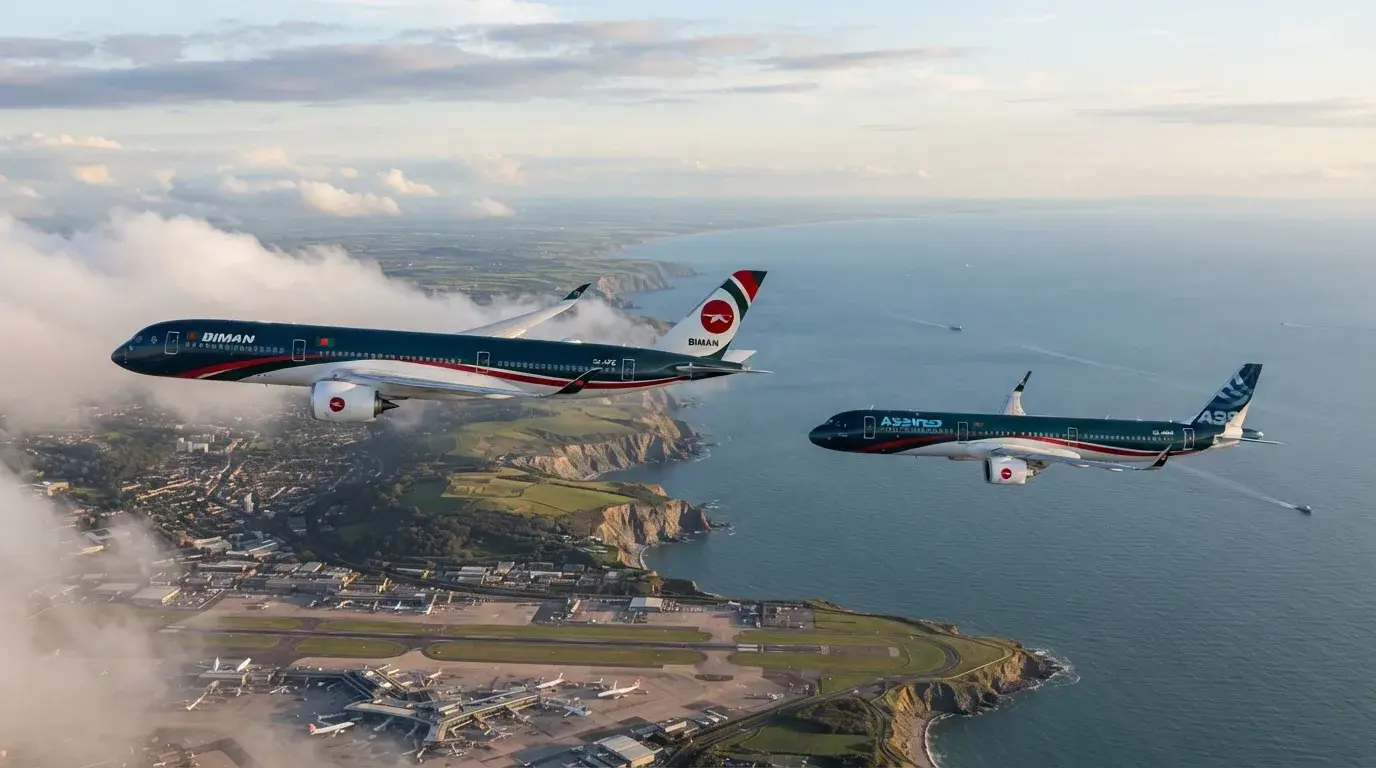
Announced in February, the project is set to mark AirAsia X’s return to London after more than a decade, via a new stopover-hub at Bahrain International Airport. The airline plans a daily flight between Kuala Lumpur and Bahrain, extended to London–Gatwick, operated with Airbus A330-300 aircraft, featuring aggressive launch fares from the Gulf. Bahrain is poised to become the group’s first hub outside Asia, designed as a bridge between Southeast Asia, Europe, and eventually Africa, with ambitions to base a substantial fleet and increase frequencies by 2030.
In its launch statement, AirAsia X explained it aimed to "connect Asia with the Middle East and Europe more efficiently" through this foothold in the heart of the Gulf, leveraging the A330’s flight times and the potential for regional connections. The new Kuala Lumpur–Bahrain–London route is part of a broader post-restructuring growth strategy, which also includes the arrival of long-haul single-aisle aircraft like the A321XLR to further expand the European network.
Launch confirmed… with conditions
In the face of regional tensions, AirAsia X’s management reaffirmed in early April its intention to launch the Bahrain service in June, while acknowledging that the timeline would depend directly on the conflict’s evolution. During a press conference, CEO Bo Lingam confirmed that "flights to Bahrain will proceed if the war ends before June," but refused to commit to the project’s continuation in the event of a prolonged conflict. When asked about potential contingency plans, he conceded that "anything is possible," mentioning the possibility of alternative routes to Europe via Turkey if the situation in the Middle East remained too unstable.
Group founder Tony Fernandes, meanwhile, emphasized that the airline remained "very committed" to the new route and its Bahrain hub, though he admitted that the surge in fuel costs linked to the conflict—with jet fuel prices doubling to around $180 per barrel, according to economic press—had already led to fare increases and capacity reductions on certain markets. "We will have to raise prices and adjust capacity where we can no longer absorb the fuel cost," the executive stated, as quoted by regional media citing Reuters.
Project overshadowed by Middle East airspace crisis
The initial enthusiasm surrounding the Bahrain hub was quickly overshadowed by a sharp deterioration in the geopolitical and aviation context. Following a joint U.S. and Israeli strike against Iran, which triggered retaliatory strikes, several Middle Eastern countries—including Iran, Israel, Jordan, Qatar, Bahrain, Kuwait, and the United Arab Emirates—temporarily closed their airspace, causing a domino effect on global traffic.
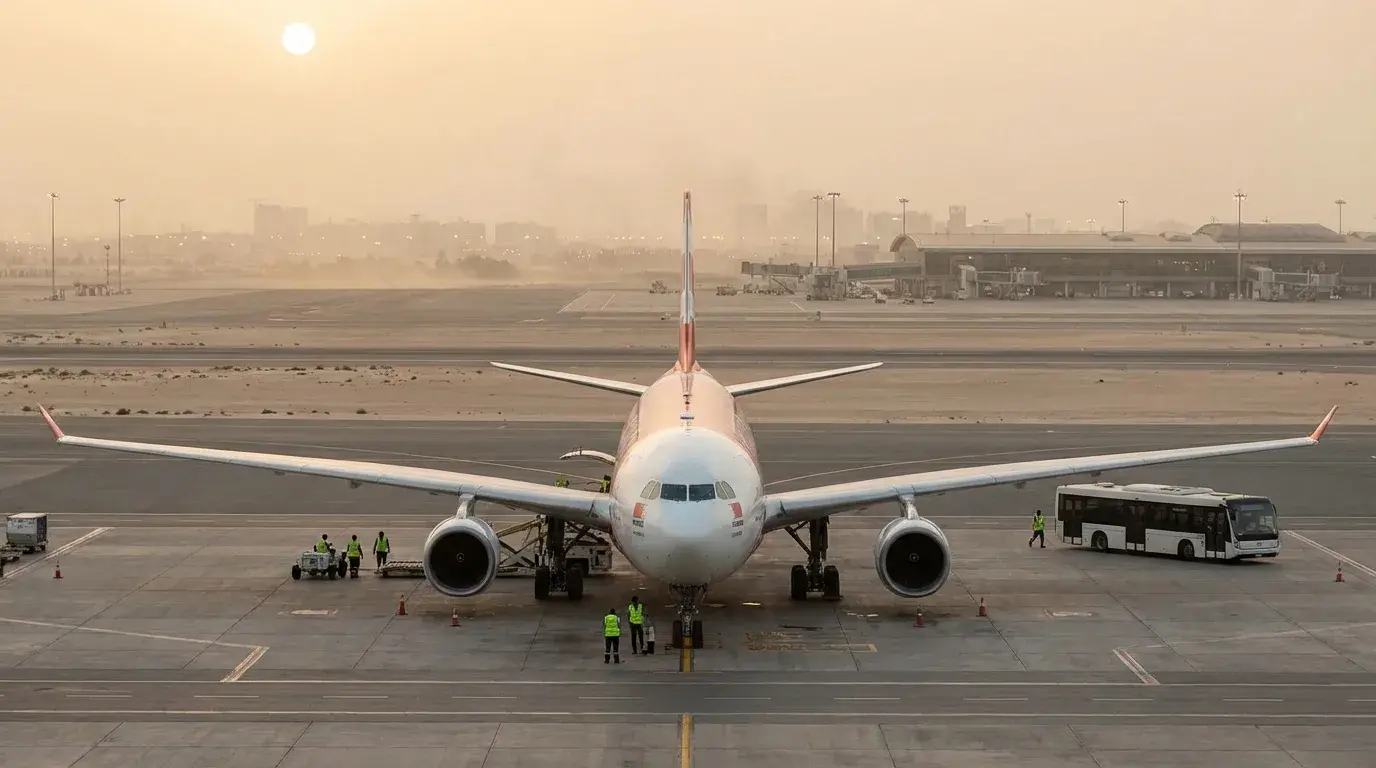
Bahrain, which hosts the U.S. Fifth Fleet in the Juffair district, briefly suspended all flights, leaving transit passengers stranded at the airport and forcing numerous international carriers—including Emirates, Qatar Airways, Turkish Airlines, and several Indian airlines—to reroute or cancel services.
For network planners, the situation complicates the management of routes between Asia and Europe, already constrained by the inability of many airlines to use Russian airspace since 2022. The lengthening of routes, combined with rising fuel costs, threatens the economic viability of certain long-haul low-cost routes, a model already highly sensitive to external cost fluctuations.
The abrupt closure of Bahraini airspace in late February, even temporarily, illustrates the hub’s direct dependence on regional tensions, with immediate consequences for operational continuity and passenger confidence. For AirAsia X, which has just emerged from a major restructuring post-Covid-19, another operational shock on a flagship route to Europe could undermine its long-haul recovery strategy.
Be the first to comment on this article
On the same topicair transport
- Alaska Airlines revolutionizes its business class for long-haul flights
- Royal Jordanian strengthens its presence in Germany with the reopening of the Amman-Munich route
- Wizz Air links Paris-Beauvais to Varna, new gateway to the Black Sea
- Israel closes its skies: El Al reduced to 5% of its capacity
- Middle East flights resume: airlines navigate uncertainty
- Russia affected by the closure of Gulf hubs, impacting connecting flights