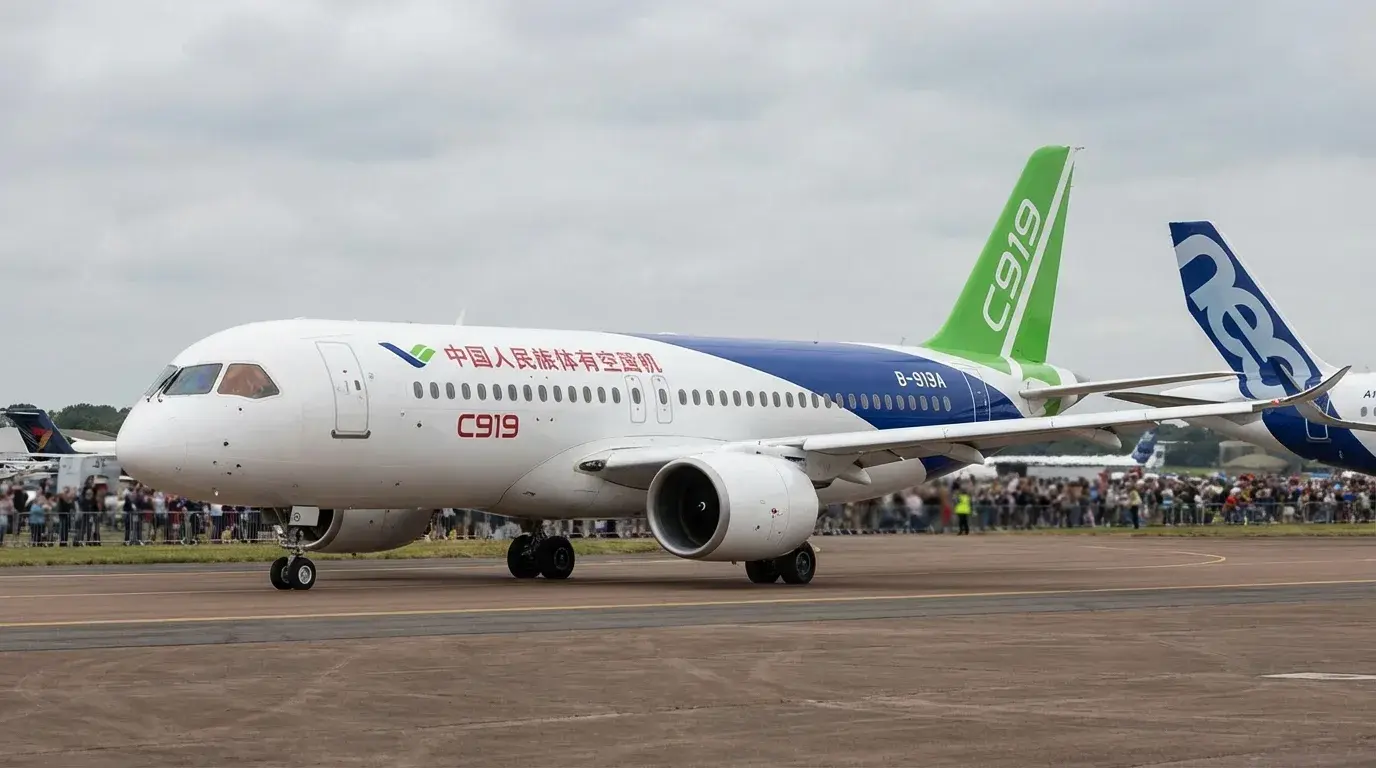
The global aerospace industry is in turmoil. While the European and American giants, Airbus and Boeing, continue to dominate the airliner market, a new challenger is on the horizon: the Chinese C919. Developed by the state-owned Chinese manufacturer COMAC, this medium-haul aircraft is positioned as a direct competitor to the Airbus A320 and Boeing 737 families. But beyond its technological prowess, the arrival of the C919 on the international scene raises a number of questions, notably in terms of certification and safety.
European flight tests for the C919: a crucial milestone
The European Union Aviation Safety Agency (EASA) recently sent its own test pilots to Shanghai to evaluate the C919. These verification flights, conducted as part of validation activities with COMAC, mark a key step in the long process of obtaining a European certification. This validation is essential if the C919 is to be operated by European airlines or other Western carriers.
Early feedback, albeit preliminary, suggests that EASA has judged the aircraft to be reliable and safe, while highlighting a few «teething problems requiring adjustments».». These adjustments could concern various aspects, from avionics systems to flight controls and overall component integration.
An ambitious rival for Airbus and Boeing
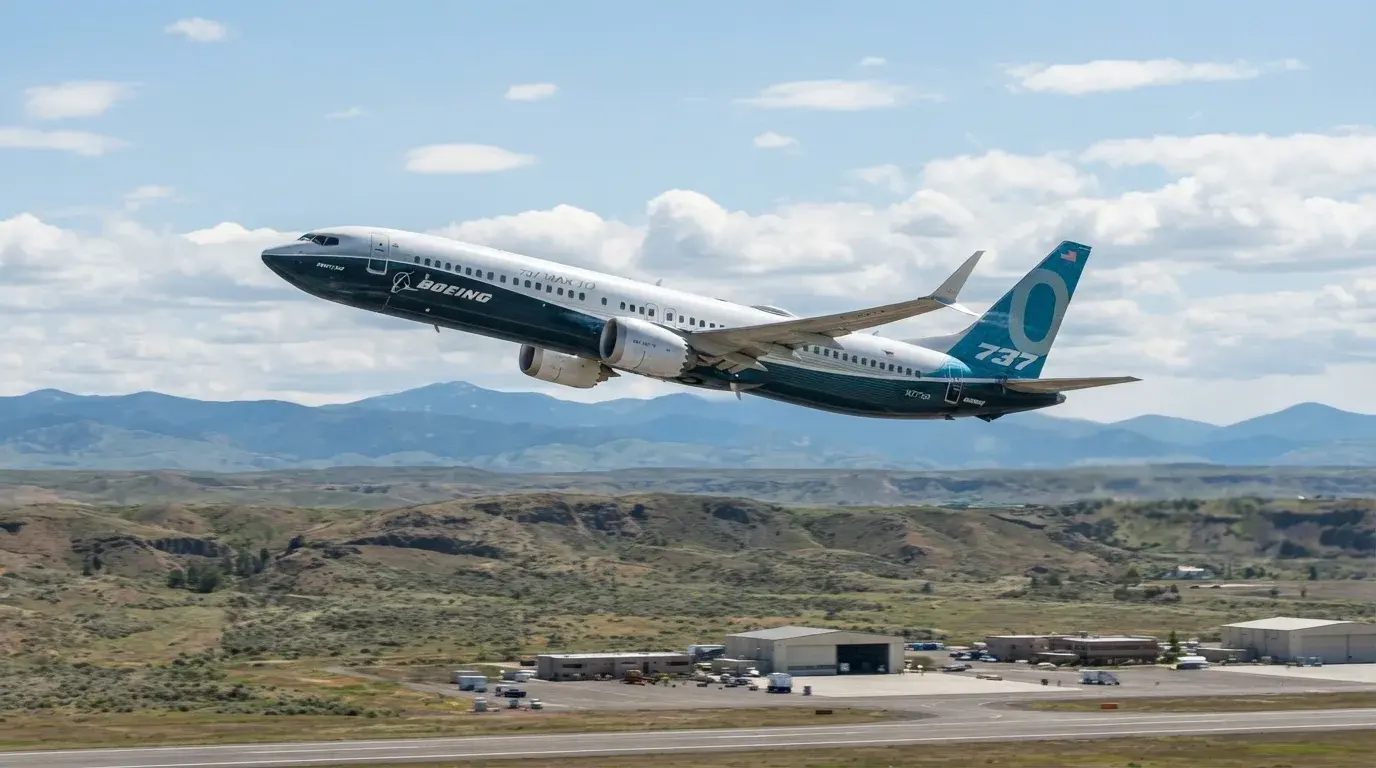
The C919, with its capacity of 150 to 190 seats, is positioned in an extremely competitive market segment. It aims to compete with Airbus A320neo and Boeing 737 MAX, the world's best-selling short- and medium-haul aircraft. The C919 made its maiden flight in 2017 and entered commercial service in China in May 2023, mainly on domestic routes.
A long and complex certification process
However, the absence of certification by EASA and the US Federal Aviation Administration (FAA) limits the C919 to the Chinese market for the time being. COMAC had submitted its validation application to EASA in 2019, but the Covid-19 pandemic considerably slowed down technical exchanges. The process resumed in 2023, but EASA's Executive Director estimates that European certification could still take some time. «between three and six years». This means that certification before the end of the decade remains an optimistic scenario.
Examining a new manufacturer's aircraft involves a thorough review of systems, documentation and compliance demonstrations, including extreme testing and degraded weather conditions. The FAA has not yet launched a comparable validation process, making the EASA the most rigorous. front door key to markets outside China.
Chinese manufacture, Western components
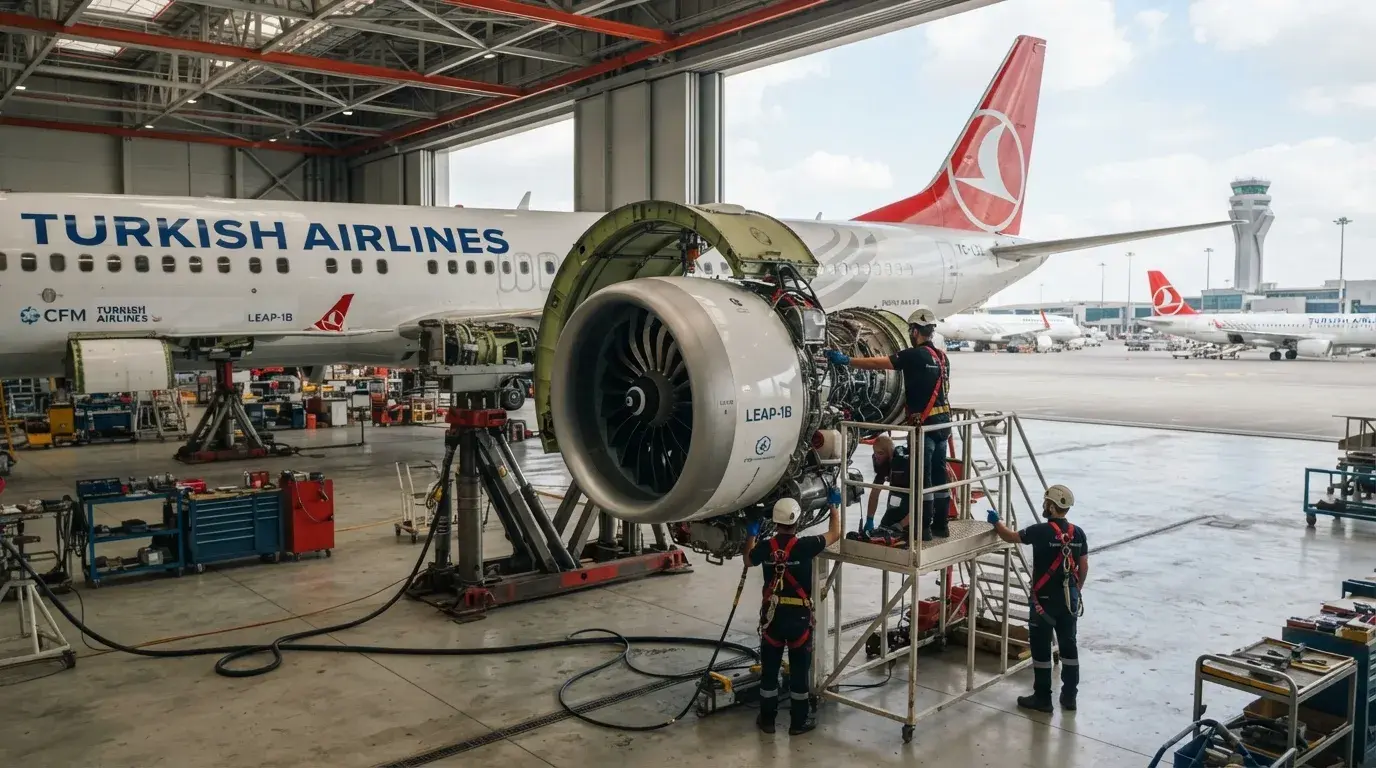
Although the C919 is presented as a symbol of Chinese industrial autonomy, it relies heavily on equipment supplied by Western groups. The engines LEAP-1C from CFM International (a joint venture of GE Aviation and Safran Aircraft Engines) and several American and European avionics systems are integrated into the aircraft. This technological dependence, while facilitating certain aspects of certification, raises questions about the true independence of the Chinese program.
Systems known to the authorities
The use of proven Western technologies makes it easier for regulators to assess, as the components are already familiar. However, this does not dispense with an independent review of the flight control laws and systems integration specific to the C919.
Europe, the first target market
Obtaining EASA certification is therefore vital for COMAC. It would open the door not only to European markets, but also, by a ripple effect, to other regions of the world which attach great importance to certification by major regulatory authorities. The European flight test campaign is therefore a decisive moment for the future of the C919 and for the balance of power in the global aerospace industry.
The potential arrival of the C919 on the world market represents a major challenge for Airbus and Boeing. The question is no longer simply whether the C919 will be certified, but when and how it will be integrated into an already highly competitive market. The answer to these questions will determine the future shape of the aeronautics industry for decades to come.
Be the first to comment on this article
On the same topicairbus
- Airbus reinvents Business Class: more comfort and intimacy
- Why flydubai's historic order for 150 A321neo aircraft is a game-changer for Airbus and the single-aisle market
- Edelweiss Air strengthens its A320neo fleet with the acquisition of five used Airbus aircraft from the Lufthansa Group
- Airbus plans to introduce a third model in the A220 range when the program reaches profitability.
- Airbus develops an extended variant of the A350-1000 to rival the 777X
- Airbus hands over 51 commercial aircraft in May, down slightly on the previous year